

Establishing a realistic budget is the cornerstone of any successful renovation project. It serves as the financial framework that guides all subsequent decisions, from selecting materials to hiring contractors. To begin, homeowners should conduct a thorough assessment of their financial situation, taking into account not only their available savings but also potential financing options.
This may include home equity loans, personal loans, or even credit lines. Understanding the total amount that can be allocated to the renovation will help in making informed choices throughout the process. Once a preliminary budget is established, it is crucial to break it down into specific categories such as materials, labor, permits, and unexpected expenses.
This granular approach allows for better tracking of expenditures and helps identify areas where costs can be trimmed if necessary. For instance, if the budget for materials is set at $10,000, homeowners can allocate specific amounts for flooring, cabinetry, and fixtures. By doing so, they can prioritize spending on high-impact areas while remaining mindful of overall costs.
Additionally, it is wise to research average costs for similar renovations in the local market to ensure that the budget aligns with realistic expectations.
Prioritizing Renovation Needs
Prioritizing renovation needs is an essential step that can significantly influence the overall success of a project. Homeowners must evaluate which areas of their home require immediate attention and which can be deferred for later. This often involves a careful assessment of both functional and aesthetic needs.
For example, if a family is dealing with outdated plumbing or electrical systems that pose safety risks, these issues should take precedence over cosmetic upgrades like new paint or decorative fixtures. In addition to addressing urgent repairs, homeowners should consider how each renovation aligns with their long-term goals for the property. If the intention is to increase the home’s resale value, focusing on kitchens and bathrooms—areas that typically yield high returns on investment—should be prioritized.
Conversely, if the renovation is primarily for personal enjoyment and comfort, then spaces like outdoor patios or family rooms may take precedence. By clearly defining priorities, homeowners can allocate their budget more effectively and ensure that the most critical aspects of the renovation are completed first.
Researching Cost-Effective Materials and Contractors

The selection of materials and contractors can make or break a renovation project, both in terms of quality and budget adherence. Homeowners should invest time in researching cost-effective materials that do not compromise on durability or aesthetics. For instance, instead of opting for expensive hardwood flooring, one might consider high-quality laminate or luxury vinyl planks that mimic the look of wood at a fraction of the cost.
Similarly, when it comes to countertops, alternatives like quartz or recycled materials can provide a stylish finish without breaking the bank. Finding reliable contractors is equally important. Homeowners should seek recommendations from friends or family who have recently completed renovations and check online reviews to gauge contractor reputations.
Obtaining multiple quotes allows for comparison not only in terms of pricing but also in the scope of work offered. It’s essential to ask potential contractors about their experience with similar projects and request references from past clients. This due diligence helps ensure that the chosen contractor is not only cost-effective but also capable of delivering quality work within the agreed timeline.
Creating a Detailed Renovation Plan
A detailed renovation plan acts as a roadmap for the entire project, outlining each phase and task involved. This plan should include timelines, specific tasks, and responsible parties to ensure accountability throughout the renovation process. For example, if a kitchen remodel is planned, the timeline might include phases such as demolition, plumbing updates, electrical work, installation of cabinets, and final touches like painting and decorating.
By breaking down the project into manageable steps, homeowners can better track progress and make adjustments as needed. In addition to timelines, the renovation plan should also encompass design elements and material selections. Homeowners should create mood boards or digital renderings to visualize how different components will come together.
This not only aids in decision-making but also helps prevent costly mistakes that can arise from last-minute changes or indecision. Furthermore, incorporating a communication plan within the renovation strategy ensures that all parties involved—contractors, suppliers, and homeowners—are on the same page regarding expectations and deliverables.
Allowing for Contingency Funds
No renovation project is immune to unexpected challenges or expenses; therefore, setting aside contingency funds is a prudent strategy. A common rule of thumb is to allocate 10-20% of the total budget for unforeseen costs that may arise during the renovation process. These could include discovering hidden structural issues behind walls or needing to upgrade outdated electrical systems to meet current codes.
By having contingency funds readily available, homeowners can address these issues without derailing the entire project or incurring significant delays. Moreover, contingency funds can also provide flexibility in decision-making throughout the renovation process. If a homeowner finds a stunning tile option that exceeds their initial budget but would enhance the overall aesthetic of the space significantly, having contingency funds allows them to make that choice without financial strain.
This buffer not only alleviates stress but also empowers homeowners to invest in quality materials and finishes that contribute to a more satisfying end result.
Considering DIY Projects
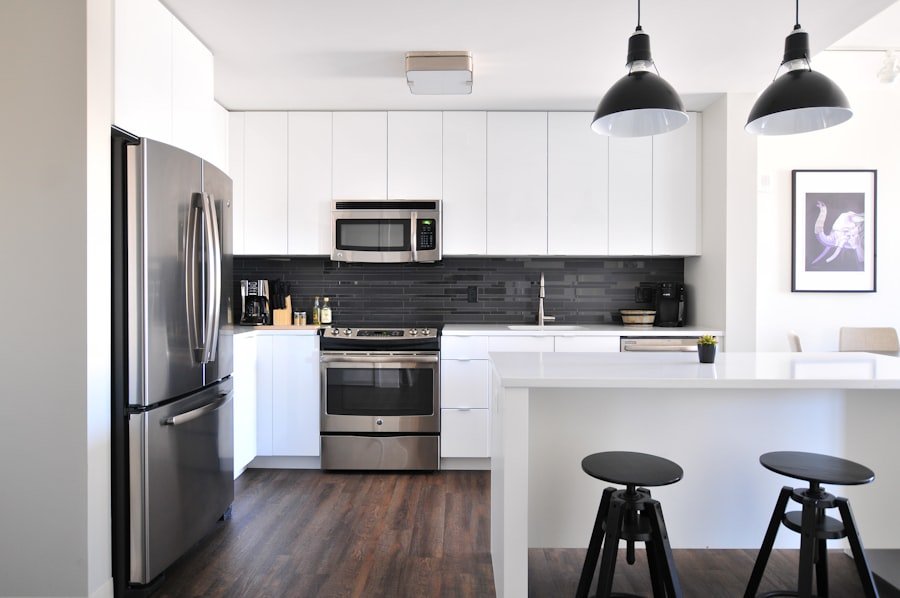
Incorporating DIY projects into a renovation can be an effective way to save money while adding a personal touch to the home. Many homeowners possess skills that can be utilized in various aspects of the renovation process—painting walls, installing shelving units, or even landscaping outdoor spaces are all tasks that can be tackled independently with some research and effort. Engaging in DIY projects not only reduces labor costs but also fosters a sense of ownership and pride in the home.
However, it is essential to approach DIY projects with realistic expectations regarding time and skill level. While some tasks may seem straightforward, others may require specialized knowledge or tools that could complicate matters if attempted without proper preparation. For instance, while painting may be manageable for most individuals, electrical work or plumbing should typically be left to professionals due to safety concerns and code compliance issues.
Homeowners should carefully assess their capabilities and consider seeking assistance for more complex tasks while reserving simpler projects for themselves.
Phasing the Renovation Over Time
Phasing a renovation over time can be an effective strategy for managing both budget constraints and project scope. Instead of attempting to complete an entire renovation in one go—which can be overwhelming both financially and logistically—homeowners can break the project into smaller phases based on priority and available resources. For example, a homeowner might choose to start with essential updates like kitchen renovations before moving on to bathroom upgrades or outdoor improvements in subsequent years.
This phased approach allows homeowners to spread out costs over time while still making meaningful improvements to their living space. It also provides opportunities for reassessment after each phase is completed; homeowners can evaluate what worked well and what could be improved in future phases based on their experiences. Additionally, phasing renovations can minimize disruption to daily life by allowing certain areas of the home to remain functional while work is being done elsewhere.
Re-evaluating and Adjusting the Budget as Needed
Throughout the course of a renovation project, it is vital for homeowners to regularly re-evaluate and adjust their budget as needed. As work progresses, unforeseen circumstances may arise that necessitate changes in spending priorities or allocations. For instance, if additional structural repairs are discovered during demolition, it may require reallocating funds from less critical areas of the project to address these urgent needs.
Regularly reviewing expenditures against the initial budget helps maintain financial control and ensures that homeowners remain aware of their spending patterns. Utilizing budgeting tools or software can facilitate this process by providing real-time tracking of expenses against planned allocations. If adjustments are necessary—whether due to unexpected costs or changes in design preferences—homeowners should approach these decisions thoughtfully, weighing both immediate needs against long-term goals for their home renovation project.
FAQs
What is a whole-house renovation?
A whole-house renovation involves making significant changes to the interior and/or exterior of a home, often including multiple rooms or areas. This can include structural changes, updating systems, and cosmetic improvements.
How can I plan a whole-house renovation?
Planning a whole-house renovation involves assessing the current state of your home, setting a budget, creating a design plan, hiring professionals, obtaining necessary permits, and scheduling the project timeline.
What are some tips for planning a whole-house renovation without overextending your budget?
Some tips for planning a whole-house renovation without overextending your budget include setting a realistic budget, prioritizing the most important projects, getting multiple quotes from contractors, considering cost-saving alternatives, and being prepared for unexpected expenses.
What are some common mistakes to avoid when planning a whole-house renovation?
Common mistakes to avoid when planning a whole-house renovation include underestimating the costs, not having a contingency fund, not hiring the right professionals, making changes to the plan mid-project, and not considering the long-term value of the renovations.
How can I finance a whole-house renovation?
Financing a whole-house renovation can be done through personal savings, home equity loans or lines of credit, cash-out refinancing, or renovation loans such as FHA 203(k) loans or Fannie Mae HomeStyle loans. It’s important to carefully consider the best option for your financial situation.