
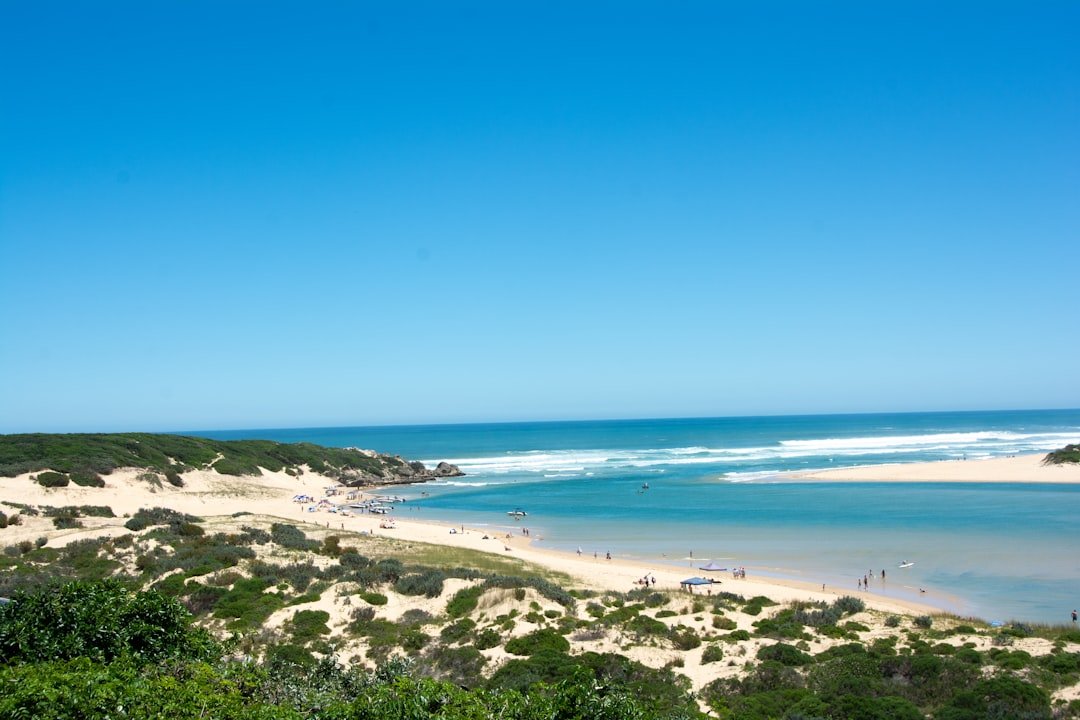
Australia is renowned for its stunning landscapes, and its beaches and nature reserves are among the most captivating features of this vast continent. With over 37,000 kilometers of coastline, Australia boasts some of the world’s most pristine and picturesque beaches, each offering unique experiences for visitors. From the golden sands of Bondi Beach to the rugged cliffs of the Great Ocean Road, the diversity of Australia’s beaches is a testament to the country’s natural beauty.
Complementing these coastal wonders are the numerous nature reserves that dot the landscape, preserving the rich biodiversity and unique ecosystems that Australia is famous for. These reserves serve as sanctuaries for countless species of flora and fauna, many of which are endemic to the region. The interplay between Australia’s beaches and nature reserves creates a rich tapestry of experiences for nature lovers, adventure seekers, and those simply looking to unwind.
The country’s commitment to preserving its natural heritage is evident in the establishment of national parks and marine reserves that protect both terrestrial and aquatic environments. This article delves into the top beaches and must-visit nature reserves in Australia, highlighting the activities available, the wildlife that inhabits these areas, conservation efforts, optimal visiting times, and practical tips for exploring these natural wonders.
Top Beaches in Australia
Australia’s beaches are not just places for sunbathing; they are vibrant ecosystems teeming with life and opportunities for adventure. One of the most iconic beaches is Bondi Beach in Sydney, known for its golden sands and surf culture. Bondi is a hub for both locals and tourists, offering a lively atmosphere with cafes, shops, and a stunning coastal walk that leads to Coogee Beach.
The beach is also famous for its surf lifesaving club, which has been a part of Australian culture since 1907. The waves here attract surfers of all skill levels, while the shallow waters are perfect for families looking to enjoy a day by the sea. Another remarkable beach is Whitehaven Beach in the Whitsunday Islands, often cited as one of the most beautiful beaches in the world.
Its pure silica sand stretches over seven kilometers along Whitsunday Island, creating a striking contrast against the turquoise waters of the Coral Sea. Accessible only by boat or seaplane, Whitehaven offers a sense of seclusion that enhances its allure. Visitors can indulge in activities such as snorkeling, swimming, or simply basking in the sun while taking in the breathtaking views.
The beach is also a gateway to exploring the Great Barrier Reef, making it a prime destination for those seeking both relaxation and adventure.
Must-Visit Nature Reserves in Australia
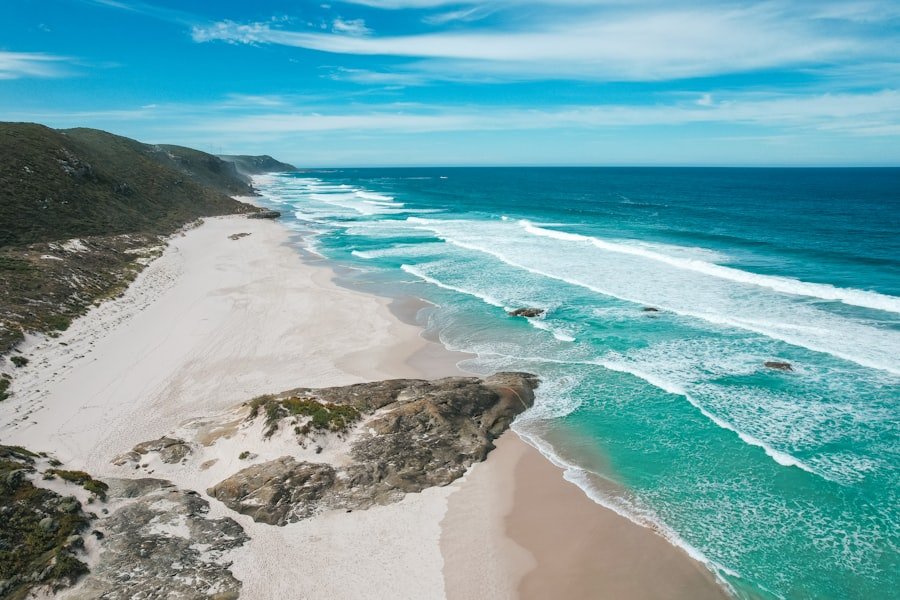
Australia’s nature reserves are treasures that showcase the country’s diverse ecosystems and wildlife. One such reserve is Kakadu National Park in the Northern Territory, a UNESCO World Heritage site that spans nearly 20,000 square kilometers. Kakadu is renowned for its rich Aboriginal heritage and stunning landscapes that include wetlands, rivers, and sandstone escarpments.
The park is home to an incredible array of wildlife, including saltwater crocodiles, wallabies, and over 280 species of birds. Visitors can explore the park through guided tours or self-drive adventures, with opportunities to witness ancient rock art and experience the vibrant flora and fauna. Another must-visit nature reserve is Wilsons Promontory National Park in Victoria, affectionately known as “The Prom.” This park features rugged coastlines, lush forests, and sweeping beaches that attract hikers and nature enthusiasts alike.
The Prom is famous for its diverse wildlife, including kangaroos, emus, and various bird species. The park offers numerous walking trails ranging from easy strolls to challenging hikes that lead to breathtaking viewpoints such as Mount Oberon. The combination of coastal scenery and dense bushland makes Wilsons Promontory a haven for those looking to immerse themselves in nature.
Activities and Wildlife in Australia’s Nature Reserves
| Nature Reserve | Number of Activities | Wildlife Species |
|---|---|---|
| Kakadu National Park | hiking, bird watching, camping | crocodiles, wallabies, dingoes |
| Great Barrier Reef Marine Park | snorkeling, scuba diving, sailing | coral, sharks, sea turtles |
| Daintree National Park | guided walks, river cruises, zip-lining | cassowaries, tree kangaroos, platypus |
The activities available in Australia’s nature reserves are as diverse as the landscapes themselves. In Kakadu National Park, visitors can embark on boat cruises along the Yellow Water Billabong, where they can spot crocodiles basking on the banks and observe an array of birdlife including jabirus and magpie geese. The park also offers opportunities for hiking through various trails that lead to stunning waterfalls like Jim Jim Falls and Twin Falls, where adventurers can take a refreshing dip in natural pools surrounded by dramatic cliffs.
In Wilsons Promontory National Park, outdoor enthusiasts can engage in activities such as camping, fishing, and snorkeling. The park’s beaches provide excellent conditions for swimming and surfing during warmer months. Wildlife spotting is a highlight here; visitors may encounter koalas resting in trees or see seals lounging on rocky outcrops along the coastline.
The park’s diverse habitats support a wide range of species, making it an ideal location for birdwatching and photography.
Conservation Efforts in Australia’s Beaches and Nature Reserves
Australia’s commitment to conservation is evident in its extensive network of protected areas aimed at preserving its unique ecosystems. Many beaches and nature reserves are managed by government agencies that implement strategies to protect biodiversity while allowing for sustainable tourism. For instance, the Great Barrier Reef Marine Park Authority oversees conservation efforts in one of the world’s most significant marine ecosystems.
This includes regulating fishing practices, managing tourism activities, and conducting research to monitor coral health. In addition to government initiatives, numerous non-profit organizations work tirelessly to promote conservation awareness among local communities and visitors alike. Programs focused on beach clean-ups help combat pollution while educating participants about the importance of maintaining clean coastal environments.
Furthermore, many nature reserves engage in habitat restoration projects aimed at rehabilitating degraded areas to support native wildlife populations. These collaborative efforts highlight the importance of community involvement in conservation initiatives.
Best Times to Visit Australia’s Beaches and Nature Reserves
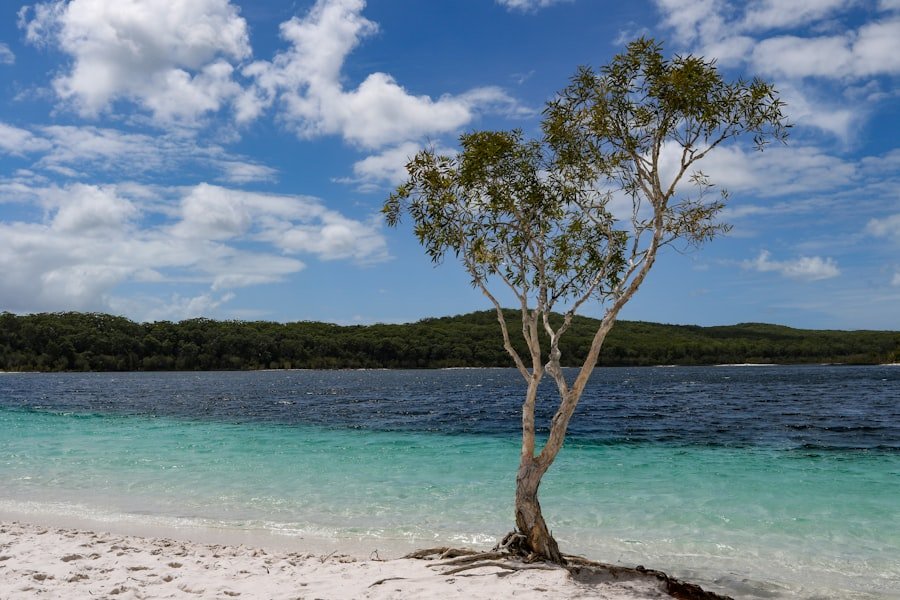
The best time to visit Australia’s beaches and nature reserves largely depends on the specific region and desired activities. Generally speaking, the Australian summer months from December to February offer warm weather ideal for beach activities such as swimming and surfing. However, this period can also attract larger crowds at popular destinations like Bondi Beach or Whitehaven Beach.
For those seeking a quieter experience while still enjoying pleasant weather, visiting during spring (September to November) or autumn (March to May) can be advantageous. In contrast, regions like Kakadu National Park experience distinct wet and dry seasons. The dry season from May to October is considered optimal for visiting due to lower humidity levels and easier access to various attractions within the park.
During this time, wildlife is more active, making it an excellent opportunity for spotting animals in their natural habitats. Conversely, Wilsons Promontory National Park can be enjoyed year-round; however, summer months provide ideal conditions for beach activities while winter offers a serene atmosphere perfect for hiking amidst lush greenery.
Tips for Exploring Australia’s Beaches and Nature Reserves
Exploring Australia’s beaches and nature reserves requires some preparation to ensure a safe and enjoyable experience. First and foremost, it’s essential to check local conditions before heading out; this includes tide times at beaches or weather forecasts in nature reserves. For instance, some beaches may have strong currents or riptides that can pose risks for swimmers if not properly assessed beforehand.
When visiting nature reserves like Kakadu or Wilsons Promontory, wearing appropriate footwear is crucial due to varying terrain conditions ranging from sandy beaches to rocky trails. Additionally, bringing plenty of water and snacks is advisable as facilities may be limited in remote areas. For wildlife enthusiasts hoping to spot native animals, early morning or late afternoon excursions often yield better results since many species are more active during these cooler parts of the day.
Exploring the Beauty of Australia’s Beaches and Nature Reserves
Australia’s beaches and nature reserves offer an unparalleled opportunity to connect with nature while experiencing some of the most breathtaking landscapes on Earth. From iconic surf spots like Bondi Beach to serene escapes like Whitehaven Beach, each location presents unique charms that cater to diverse interests. Coupled with rich biodiversity found within national parks such as Kakadu and Wilsons Promontory, these natural wonders invite exploration and appreciation.
As visitors embark on their journeys through these stunning environments, they also play a vital role in supporting conservation efforts aimed at preserving Australia’s natural heritage for future generations. By engaging with local communities and respecting natural habitats during their travels, individuals contribute positively towards maintaining the beauty that defines Australia’s coastline and wilderness areas. Whether seeking adventure or tranquility amidst pristine surroundings, exploring Australia’s beaches and nature reserves promises unforgettable experiences that resonate long after leaving their shores.
FAQs
What are some of the best beaches in Australia?
Some of the best beaches in Australia include Whitehaven Beach in the Whitsundays, Bondi Beach in Sydney, and Wineglass Bay in Tasmania.
What are some popular nature reserves in Australia?
Popular nature reserves in Australia include Kakadu National Park in the Northern Territory, Daintree National Park in Queensland, and the Great Barrier Reef Marine Park.
What activities can be enjoyed at Australia’s beaches and nature reserves?
Visitors can enjoy activities such as swimming, snorkeling, surfing, hiking, and wildlife spotting at Australia’s beaches and nature reserves.
What are some safety tips for visiting Australia’s beaches and nature reserves?
Some safety tips for visiting Australia’s beaches and nature reserves include staying hydrated, wearing sunscreen, being aware of wildlife, and following any posted safety guidelines.