
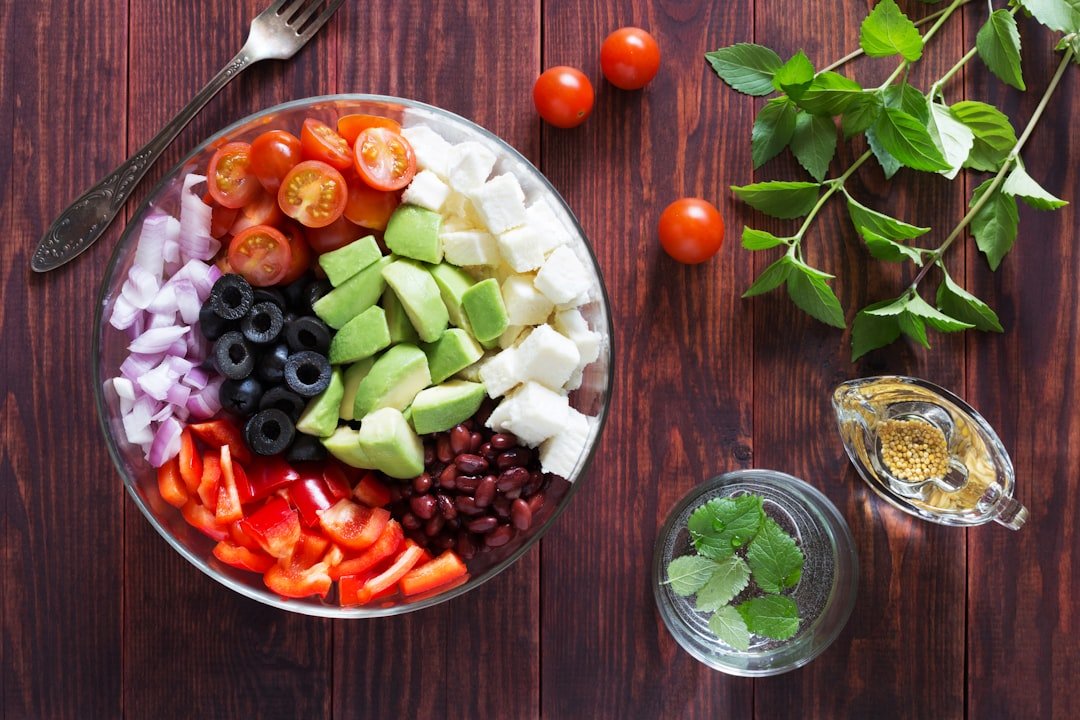
Meal planning is a strategic approach to organizing meals in advance, which can significantly enhance both nutritional intake and overall well-being. By taking the time to plan meals, individuals can ensure they are consuming a balanced diet that meets their dietary needs. This practice not only helps in making healthier food choices but also reduces the likelihood of impulsive eating, which often leads to unhealthy selections.
For instance, when meals are pre-planned, one is less likely to resort to fast food or processed snacks due to time constraints or lack of options. This proactive approach fosters a deeper understanding of nutritional values and encourages individuals to incorporate a variety of food groups into their diets. Moreover, meal planning can lead to substantial financial savings.
By creating a shopping list based on planned meals, individuals can avoid unnecessary purchases and reduce food waste. This is particularly important in today’s economy, where food prices can fluctuate dramatically. For example, buying ingredients in bulk for planned meals can often be more cost-effective than purchasing single items on a whim.
Additionally, meal planning allows for the use of seasonal produce, which is typically less expensive and more flavorful. By understanding the importance of meal planning, individuals can cultivate healthier eating habits while also being mindful of their budgets.
Identifying Nutritious and Convenient Meal Options
When it comes to meal planning, identifying nutritious and convenient meal options is crucial for maintaining a balanced diet without overwhelming oneself with preparation time. A well-rounded meal should ideally include a source of protein, healthy fats, and a variety of fruits and vegetables. For instance, grilled chicken served with quinoa and steamed broccoli not only provides essential nutrients but is also relatively quick to prepare.
Similarly, incorporating legumes such as lentils or chickpeas can offer a plant-based protein alternative that is both nutritious and easy to cook in bulk. Convenience is another key factor in selecting meal options. Busy lifestyles often necessitate meals that can be prepared quickly or made in advance.
One effective strategy is to focus on one-pot meals or sheet pan dinners that require minimal cleanup. Dishes like stir-fried vegetables with tofu or baked salmon with asparagus can be prepared in under 30 minutes and provide a wealth of nutrients. Additionally, utilizing frozen fruits and vegetables can save time while still delivering essential vitamins and minerals.
These options not only simplify the cooking process but also ensure that nutritious meals are readily available, even on the busiest days.
Setting Realistic Goals and Expectations

Setting realistic goals and expectations is an essential component of successful meal planning. It is important to recognize personal limitations and lifestyle factors that may impact one’s ability to adhere to a strict meal plan. For example, if an individual has a hectic work schedule or family commitments, it may be unrealistic to plan elaborate meals every day of the week.
Instead, focusing on simpler recipes or batch cooking on weekends can create a more sustainable approach to meal preparation. Additionally, it is vital to consider personal preferences and dietary restrictions when setting goals. Aiming for a completely new diet overnight can lead to frustration and burnout.
Instead, gradual changes—such as incorporating more vegetables into existing meals or trying one new recipe each week—can foster a more enjoyable experience. By setting achievable goals, individuals are more likely to stay motivated and committed to their meal planning efforts over the long term.
Organizing Your Kitchen and Pantry
| Category | Metric |
|---|---|
| Kitchen Organization | Number of storage containers |
| Pantry Organization | Amount of expired food items discarded |
| Kitchen Efficiency | Time spent searching for items before organization |
| Pantry Inventory | Number of food items categorized and labeled |
An organized kitchen and pantry are foundational elements of effective meal planning. A clutter-free space not only enhances efficiency but also makes it easier to locate ingredients when preparing meals. Start by categorizing pantry items into groups such as grains, canned goods, spices, and snacks.
This organization allows for quick access to necessary ingredients while also providing a clear overview of what is available. For instance, keeping all baking supplies together can streamline the process when preparing baked goods or desserts. In addition to pantry organization, it is equally important to maintain an orderly refrigerator.
Regularly checking expiration dates and rotating older items to the front can help minimize food waste and ensure that nothing goes unused. Utilizing clear containers for leftovers or prepped ingredients can also aid in visibility and accessibility. By creating an organized kitchen environment, individuals can reduce stress during meal preparation and make the process more enjoyable.
Creating a Weekly Meal Schedule
A weekly meal schedule serves as a roadmap for navigating daily meals with ease and intention. This schedule should encompass breakfast, lunch, dinner, and snacks, allowing for a comprehensive view of what will be consumed throughout the week. When creating this schedule, it is beneficial to consider time constraints for each day; for example, if certain days are busier than others, planning simpler meals or leftovers for those evenings can alleviate stress.
Incorporating themes into the weekly meal schedule can also add an element of fun and creativity. For instance, designating specific days for certain cuisines—such as Meatless Mondays or Taco Tuesdays—can inspire new recipes while ensuring variety in the diet. Additionally, having a designated day for meal prep can help streamline the cooking process for the week ahead.
By establishing a clear weekly meal schedule, individuals can approach mealtime with confidence and clarity.
Utilizing Time-Saving Meal Prep Techniques

Time-saving meal prep techniques are invaluable for those looking to streamline their cooking process while still enjoying nutritious meals. One effective method is batch cooking, where larger quantities of food are prepared at once and stored for later use. For example, cooking a large pot of chili or soup can provide multiple servings that can be easily reheated throughout the week.
This not only saves time but also ensures that healthy options are readily available. Another technique involves pre-chopping vegetables or marinating proteins ahead of time. Spending an hour on the weekend to prepare ingredients can significantly reduce cooking time during busy weekdays.
Additionally, investing in quality storage containers can facilitate easy organization and transport of prepped meals or ingredients. By employing these time-saving techniques, individuals can enjoy the benefits of home-cooked meals without dedicating excessive time each day to cooking.
Incorporating Variety and Flexibility into Your Plan
Incorporating variety and flexibility into a meal plan is essential for maintaining interest in food and preventing monotony. Eating the same meals repeatedly can lead to boredom and may ultimately result in abandoning healthy eating habits altogether. To combat this, it is beneficial to explore different cuisines and cooking methods.
For instance, experimenting with Mediterranean dishes one week followed by Asian-inspired meals the next can introduce new flavors and textures into the diet. Flexibility is equally important; life is unpredictable, and sometimes plans change unexpectedly. Allowing room for spontaneity within the meal plan—such as having a “leftover night” or opting for takeout on particularly busy evenings—can help maintain balance without derailing overall goals.
Additionally, keeping a list of go-to recipes that are quick and easy can provide options when time is limited or motivation wanes. By embracing variety and flexibility, individuals can create a sustainable meal planning routine that remains enjoyable over time.
Implementing Stress-Reducing Strategies for Mealtime
Mealtime can often become a source of stress due to various factors such as time constraints, picky eaters, or dietary restrictions. Implementing stress-reducing strategies can transform this experience into an enjoyable part of the day. One effective approach is to involve family members or roommates in the cooking process; this not only distributes responsibilities but also fosters connection through shared experiences in the kitchen.
Creating a calming atmosphere during mealtime can also alleviate stress. Setting the table nicely, playing soft music, or even lighting candles can enhance the dining experience and encourage mindfulness while eating. Additionally, practicing gratitude by taking a moment before meals to appreciate the food being served can shift focus away from stressors and promote a positive mindset around mealtime.
By understanding the importance of meal planning and implementing these strategies effectively, individuals can cultivate healthier eating habits while reducing stress associated with food preparation and consumption. The journey toward better nutrition does not have to be overwhelming; with thoughtful planning and organization, it can become an enjoyable part of daily life.
FAQs
What are the benefits of meal planning?
Meal planning can help save time and money, reduce food waste, and make it easier to eat healthy, balanced meals throughout the week.
How do I start building a healthy meal plan?
Start by setting aside time to plan your meals for the week, taking into account your schedule and dietary preferences. Consider incorporating a variety of fruits, vegetables, lean proteins, whole grains, and healthy fats.
What are some tips for creating a balanced meal plan?
Include a mix of different food groups in each meal, such as a serving of protein, a variety of colorful vegetables, a whole grain, and a healthy fat. Aim for a balance of nutrients and flavors in each meal.
How can I avoid feeling overwhelmed when meal planning?
Break the meal planning process into smaller, manageable tasks, such as choosing recipes, making a grocery list, and prepping ingredients ahead of time. Start with simple, familiar recipes and gradually incorporate new ones as you become more comfortable with meal planning.
What are some meal prep tips to make the week easier?
Consider batch cooking certain ingredients, such as grains or proteins, to use in multiple meals throughout the week. Prepping and storing ingredients in advance can help streamline the cooking process and save time during busy weekdays.
How can I stay flexible with my meal plan?
Allow for some flexibility in your meal plan by incorporating a mix of planned meals and “flex meals” that can be easily adjusted based on what’s available or your current cravings. This can help reduce stress and prevent feelings of restriction.
About the Author


Dev Arora is a passionate writer and content creator who loves sharing insights on personal development, tech trends, lifestyle, etc. When not blogging, he enjoys reading books, magazines and exploring new ideas that inspire positive change.

Some more blogs by Dev Arora :

Do Pet Care
Business Woo
Zen G Auto
Doge Tec
Cooking Bytes
Fit Variant
Low Script
Bam Root
Crrows
The Day Owl
Credit Sand
So Billions
Oklutes
Gain Tag
Angels and Blimps
Veb Max
AMU Blog
Zuliot
Blogger Disha
Solution Plant
Sacred Cuts
Uber Gruber
Writers Joy
Post Freak
Pok Lu
Skor Li
So So Active
Le Daddy
Help A Tech
Newz Vibe
Bloggoz