
Portugal, a nation steeped in rich history and vibrant culture, is located on the Iberian Peninsula, bordered by Spain to the east and the Atlantic Ocean to the west. This small yet diverse country has long been a crossroads of civilizations, influenced by various cultures over centuries, including the Romans, Moors, and various maritime explorers. The Portuguese language, one of the most spoken languages in the world, is a testament to the country’s historical significance during the Age of Discoveries when explorers like Vasco da Gama and Ferdinand Magellan charted new territories and established trade routes across the globe.
The allure of Portugal lies not only in its historical significance but also in its stunning landscapes, from rugged coastlines to rolling vineyards. The country boasts a temperate climate, making it an attractive destination year-round. With a population of approximately 10 million, Portugal is known for its warm hospitality and vibrant traditions.
The blend of old-world charm and modernity can be seen in its architecture, cuisine, and lifestyle, making it a captivating destination for travelers seeking both adventure and relaxation.
Exploring Lisbon: The Capital City
Lisbon, the capital city of Portugal, is a vibrant metropolis that seamlessly blends tradition with contemporary life. Nestled on seven hills overlooking the Tagus River, Lisbon is characterized by its colorful neighborhoods, historic tram systems, and stunning viewpoints known as “miradouros.” The city’s architecture is a mix of Gothic cathedrals, Manueline-style buildings, and modern structures that reflect its dynamic history. One cannot visit Lisbon without taking a ride on the iconic Tram 28, which winds through the narrow streets of Alfama and Graça, offering glimpses of the city’s rich heritage.
The heart of Lisbon is the Baixa district, where visitors can explore bustling squares like Praça do Comércio and Rossio. The area is filled with shops, cafes, and restaurants that showcase Portuguese culture. A short walk from Baixa leads to Bairro Alto, known for its vibrant nightlife and bohemian atmosphere.
Here, one can find Fado music echoing through the streets, a traditional genre that expresses the soul of Portuguese culture. The historic Belém district is also a must-visit, home to the Jerónimos Monastery and the iconic Belém Tower, both UNESCO World Heritage Sites that reflect Portugal’s maritime past.
Uncovering Porto: The Northern Gem
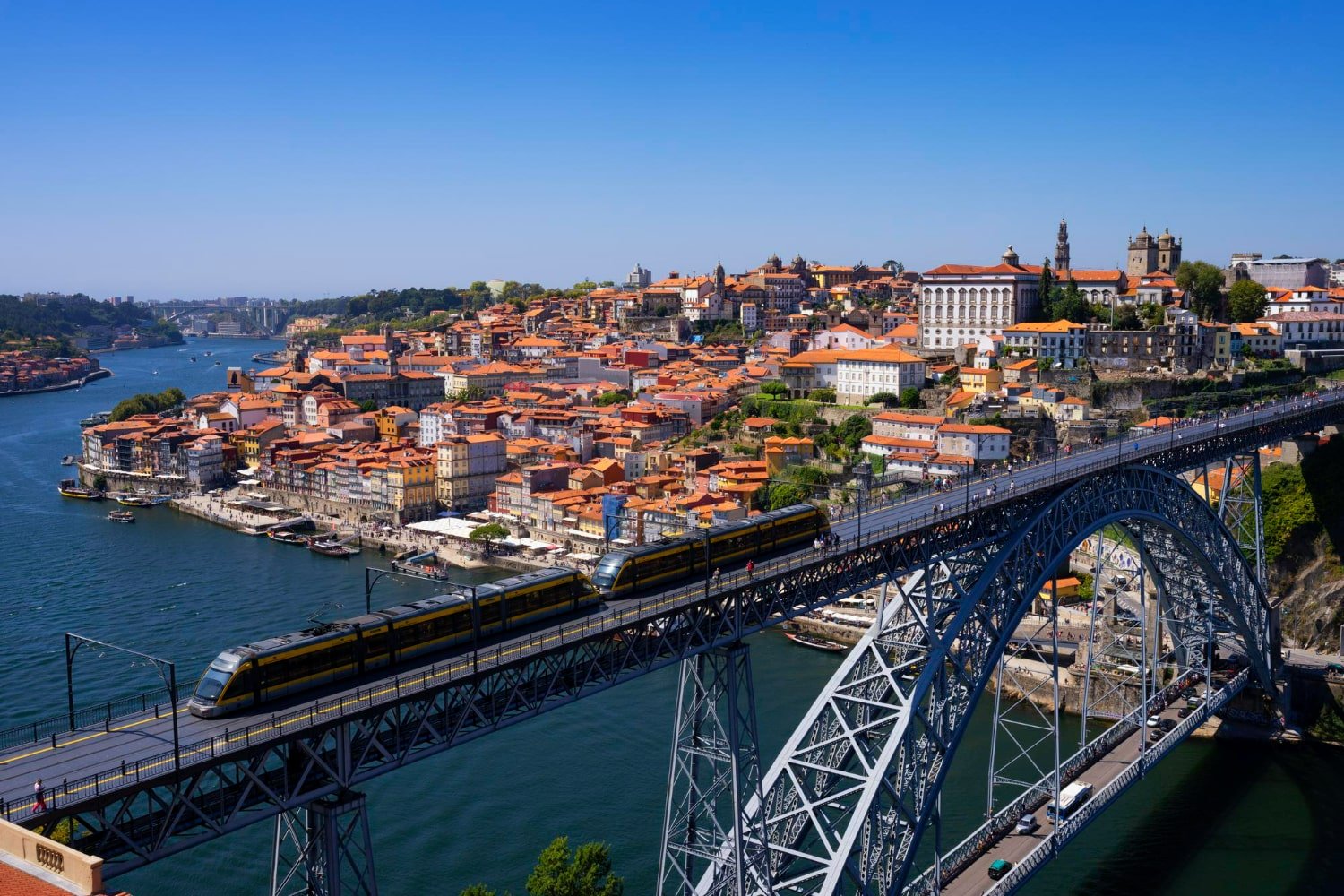
Porto, Portugal’s second-largest city, is often overshadowed by Lisbon but offers its own unique charm and character. Situated along the Douro River in northern Portugal, Porto is famous for its port wine production and picturesque riverside views. The Ribeira district, with its colorful buildings and lively atmosphere, is a UNESCO World Heritage Site that attracts visitors with its narrow streets lined with cafes and shops.
A stroll along the riverbank provides stunning views of the iconic Dom Luís I Bridge, an architectural marvel that connects Porto to Vila Nova de Gaia. The city’s rich history is evident in its landmarks, such as the São Bento Railway Station, renowned for its stunning azulejos (ceramic tiles) that depict historical scenes. The Livraria Lello bookstore is another highlight; often cited as one of the most beautiful bookstores in the world, it features an ornate staircase and intricate woodwork that has inspired many literary enthusiasts.
Porto’s culinary scene is equally impressive, with traditional dishes like Francesinha—a hearty sandwich layered with meats and smothered in a rich sauce—offering a taste of local flavors that are sure to delight food lovers.
Relaxing in Algarve: The Southern Paradise
| Activity | Location | Cost |
|---|---|---|
| Beach lounging | Albufeira, Lagos, Faro | Free |
| Spa and wellness | Vilamoura, Albufeira | Varies |
| Boat tours | Portimão, Lagos | From €25 |
| Wine tasting | Lagoa, Portimão | From €10 |
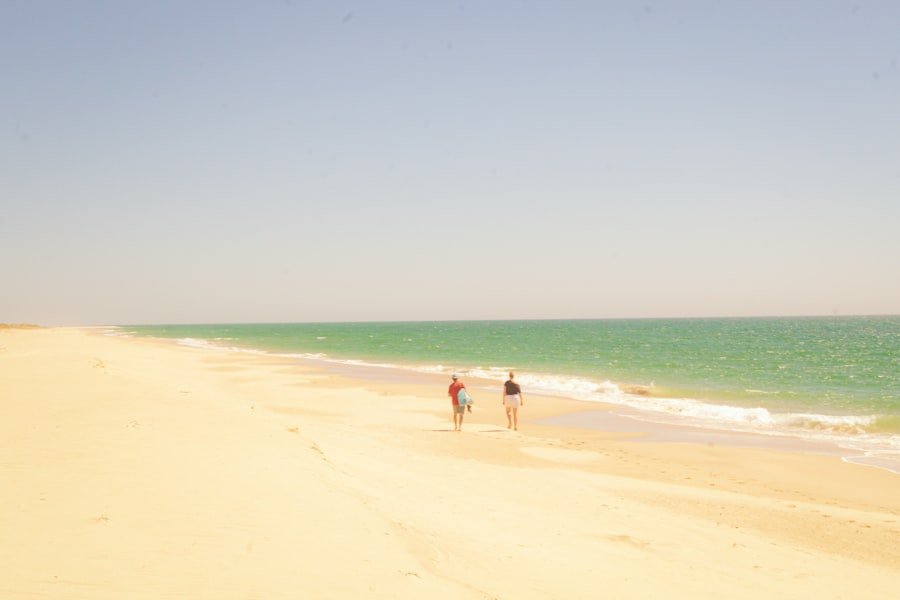
The Algarve region in southern Portugal is renowned for its stunning beaches, dramatic cliffs, and charming fishing villages. With over 150 kilometers of coastline, it is a paradise for sun-seekers and outdoor enthusiasts alike. The region’s beaches are often ranked among the best in Europe; Praia da Marinha and Praia da Rocha are just two examples of idyllic spots where golden sands meet crystal-clear waters.
The Algarve’s unique geological formations create breathtaking landscapes that are perfect for exploration. Beyond its beaches, the Algarve offers a wealth of activities for visitors. The region is dotted with picturesque towns such as Lagos and Albufeira, where cobblestone streets lead to lively markets and local eateries.
Outdoor activities abound; kayaking along the coastline allows visitors to discover hidden coves and sea caves while hiking trails provide panoramic views of the Atlantic Ocean. Additionally, golf enthusiasts will find world-class courses set against stunning backdrops. The Algarve’s mild climate makes it an ideal destination year-round, attracting visitors seeking both relaxation and adventure.
Cultural and Historical Attractions
Portugal’s cultural heritage is rich and diverse, with numerous historical attractions that tell the story of its past. The country boasts an array of castles, palaces, and monasteries that reflect its architectural evolution over centuries. One notable site is the Pena Palace in Sintra, a colorful Romanticist castle perched atop a hill that offers breathtaking views of the surrounding landscape.
Sintra itself is a UNESCO World Heritage Site known for its romantic architecture and lush gardens. In addition to palaces and castles, Portugal’s religious heritage is evident in its many churches and monasteries. The Mosteiro dos Jerónimos in Lisbon is a prime example of Manueline architecture and serves as a monument to Portugal’s Age of Discoveries.
Similarly, the Convent of Christ in Tomar showcases the influence of the Knights Templar in Portuguese history. Each site offers visitors a glimpse into Portugal’s past while highlighting its artistic achievements.
Culinary Delights of Portugal
Portuguese cuisine is a reflection of its diverse geography and cultural influences. From fresh seafood along the coast to hearty dishes from the interior regions, food plays an integral role in Portuguese culture. One cannot visit Portugal without indulging in bacalhau (salted cod), which is often referred to as the national dish.
It can be prepared in numerous ways—grilled, baked, or even transformed into croquettes—showcasing the versatility of this staple ingredient. Another culinary highlight is pastéis de nata, a delicious custard tart with a flaky crust that has become synonymous with Portuguese desserts. These treats can be found in bakeries throughout the country but are particularly famous at Pastéis de Belém in Lisbon.
Additionally, regional specialties such as caldo verde (a traditional soup made with kale) and piri-piri chicken reflect local flavors that are sure to tantalize taste buds. Wine lovers will also appreciate Portugal’s diverse wine regions; from Vinho Verde in the north to robust reds from the Douro Valley, there’s something for every palate.
Outdoor Activities and Natural Wonders
Portugal’s diverse landscapes offer ample opportunities for outdoor activities that cater to all interests. The country’s coastline provides excellent conditions for surfing; spots like Nazaré are famous for their massive waves that attract surfers from around the globe. For those who prefer calmer waters, stand-up paddleboarding or sailing along the coast allows for exploration of hidden beaches and coves.
Inland, Portugal’s natural parks offer hiking trails that wind through stunning scenery. The Peneda-Gerês National Park in northern Portugal features lush forests, cascading waterfalls, and diverse wildlife—making it a haven for nature lovers. The Ria Formosa Natural Park in the Algarve showcases unique coastal ecosystems where birdwatching enthusiasts can observe migratory species in their natural habitat.
Whether it’s hiking through mountains or relaxing on pristine beaches, Portugal’s outdoor offerings are as varied as they are breathtaking.
Practical Tips for Traveling in Portugal
Traveling in Portugal can be an enriching experience with some practical tips to enhance your journey. Public transportation is efficient; cities like Lisbon and Porto have extensive metro systems that make navigating easy for visitors. Trains connect major cities across the country, providing scenic views along the way—especially on routes through the Douro Valley known for its terraced vineyards.
When planning your visit, consider traveling during shoulder seasons (spring or fall) to avoid large crowds while still enjoying pleasant weather. Learning a few basic Portuguese phrases can also go a long way in enhancing interactions with locals who appreciate efforts to communicate in their language. Lastly, be sure to indulge in local customs; whether it’s enjoying a leisurely meal or participating in traditional festivals, immersing yourself in Portuguese culture will undoubtedly enrich your travel experience.
Portugal offers an array of experiences that cater to diverse interests—from exploring historic cities to savoring culinary delights amidst stunning landscapes. Each region has its own unique charm waiting to be discovered by those willing to venture into this captivating country.
FAQs
What are the must-see attractions in Lisbon?
Some of the must-see attractions in Lisbon include the Belem Tower, Jeronimos Monastery, Sao Jorge Castle, and the Alfama district.
What are the top things to do in Porto?
Top things to do in Porto include visiting the historic Ribeira district, exploring the Port wine cellars, crossing the Dom Luis I Bridge, and taking a boat tour on the Douro River.
What are the best beaches to visit in the Algarve?
Some of the best beaches to visit in the Algarve include Praia da Marinha, Praia da Rocha, Praia de Benagil, and Praia de Dona Ana.
What are some traditional Portuguese dishes to try while visiting Portugal?
Some traditional Portuguese dishes to try while visiting Portugal include bacalhau (salted cod), pastel de nata (custard tart), caldo verde (green soup), and francesinha (a hearty sandwich).
What are the best ways to get around Portugal?
The best ways to get around Portugal include using public transportation such as trains and buses, renting a car for more flexibility, and taking advantage of the extensive network of taxis and ride-sharing services.