
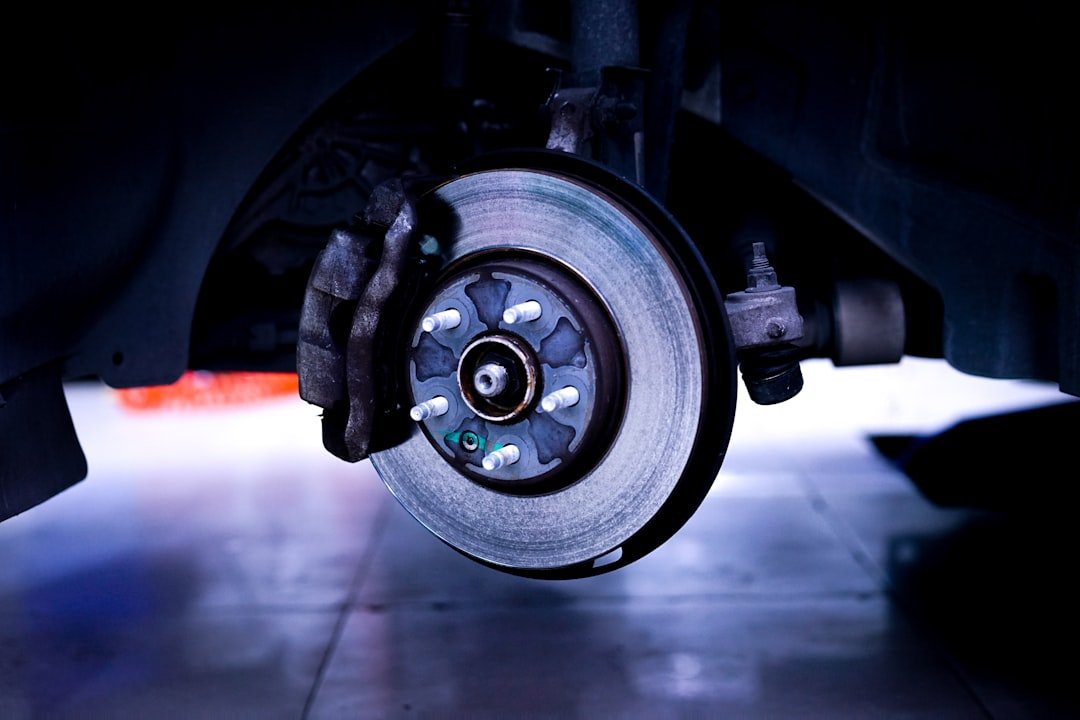
Regular brake checks are a fundamental aspect of vehicle maintenance that should never be overlooked. The braking system is one of the most critical components of any vehicle, directly influencing safety and performance. When brakes fail, the consequences can be catastrophic, leading to accidents that could have been easily avoided with proper maintenance.
Regular inspections help ensure that all components of the braking system, including pads, rotors, and fluid levels, are functioning optimally. This proactive approach not only enhances safety but also contributes to the longevity of the vehicle. Moreover, understanding the importance of brake checks extends beyond mere safety; it also encompasses financial considerations.
A well-maintained braking system can prevent costly repairs down the line. For instance, if brake pads are allowed to wear down excessively, they can damage rotors, leading to more expensive replacements. Regular checks can identify issues early, allowing for timely interventions that save money and time.
In essence, prioritizing brake maintenance is an investment in both safety and financial prudence.
Signs that Your Brake Pads Need to be Replaced
Identifying when brake pads need replacement is crucial for maintaining vehicle safety. One of the most common indicators is a high-pitched squealing noise that occurs when the brakes are applied. This sound is often produced by a built-in wear indicator designed to alert drivers that the pads have worn down to a critical level.
Ignoring this warning can lead to further damage to the braking system, as metal-on-metal contact can occur if the pads are not replaced promptly. Another significant sign is a decrease in braking performance. If you notice that your vehicle takes longer to stop or requires more pressure on the brake pedal, it may indicate that the brake pads are worn out.
Additionally, vibrations or pulsations felt through the brake pedal during braking can signal warped rotors or uneven wear on the pads. These symptoms should not be dismissed; they are clear indicators that immediate attention is required to ensure safe driving conditions.
The Dangers of Neglecting Brake Maintenance

Neglecting brake maintenance poses serious risks not only to the driver but also to passengers and other road users. A malfunctioning braking system can lead to reduced stopping power, increasing the likelihood of accidents. For instance, if a driver is unable to stop in time due to worn-out brake pads, they may collide with another vehicle or pedestrian, resulting in severe injuries or fatalities.
The emotional and legal ramifications of such incidents can be devastating, underscoring the critical need for regular brake maintenance. Furthermore, neglecting brakes can lead to a domino effect of mechanical failures within the vehicle. When brake pads wear down excessively, they can cause damage to rotors and calipers, leading to more extensive repairs that could have been avoided with timely maintenance.
This not only increases repair costs but also compromises the overall reliability of the vehicle. In essence, neglecting brake maintenance is a gamble with safety and financial stability that no responsible driver should take.
How Often Should Brake Pads be Checked?
| Driving Conditions | Frequency of Brake Pad Check |
|---|---|
| Normal driving conditions | Every 12,000-15,000 miles |
| Heavy city driving | Every 6,000-8,000 miles |
| Performance driving | Every 3,000-5,000 miles |
The frequency of brake pad checks can vary based on several factors, including driving habits, vehicle type, and environmental conditions. Generally speaking, it is advisable to have your brakes inspected at least once a year or every 12,000 miles, whichever comes first. However, drivers who frequently engage in heavy braking—such as those who drive in urban areas with heavy traffic or those who tow trailers—may need to check their brakes more often.
In such cases, semi-annual inspections may be warranted to ensure optimal performance. Additionally, it is essential to pay attention to specific driving conditions that may accelerate brake wear. For example, driving in hilly terrain or frequently stopping and starting in congested traffic can lead to faster degradation of brake pads.
Therefore, being attuned to your driving environment and adjusting your maintenance schedule accordingly is crucial for ensuring that your braking system remains in top condition.
The Cost of Ignoring Brake Pad Replacement
Ignoring the need for brake pad replacement can lead to significant financial repercussions. Initially, replacing worn-out brake pads may seem like an unnecessary expense; however, failing to do so can result in much higher costs associated with repairing or replacing damaged rotors and calipers. For instance, if brake pads are allowed to wear down completely, they can cause rotors to warp or become scored, necessitating their replacement as well.
This can easily double or triple the cost of what would have been a simple pad replacement. Moreover, there are indirect costs associated with neglecting brake maintenance that are often overlooked. Increased fuel consumption due to inefficient braking performance can add up over time.
Additionally, if a vehicle is involved in an accident due to faulty brakes, the financial implications can be staggering—ranging from insurance premiums to potential legal fees and medical expenses. Therefore, investing in regular brake maintenance and timely pad replacements is not just about immediate costs; it’s about safeguarding against future financial burdens.
How to Extend the Lifespan of Your Brake Pads

Extending the lifespan of brake pads involves a combination of good driving habits and regular maintenance practices. One effective strategy is to avoid aggressive driving behaviors such as rapid acceleration and hard braking. Smooth driving not only enhances fuel efficiency but also reduces wear on brake components.
For instance, anticipating stops and gradually applying brakes can significantly prolong the life of brake pads. In addition to driving habits, regular maintenance plays a crucial role in extending brake pad lifespan. Keeping brake components clean and free from debris can prevent uneven wear and tear.
It’s also beneficial to have your braking system inspected regularly by a professional mechanic who can identify any underlying issues before they escalate into more significant problems. Furthermore, using high-quality brake pads designed for your specific vehicle type can make a substantial difference in durability and performance.
The Role of Professional Mechanics in Brake Maintenance
Professional mechanics play an indispensable role in ensuring that your vehicle’s braking system remains safe and effective. Their expertise allows them to conduct thorough inspections that go beyond what an average driver might notice. For example, mechanics can assess not only the condition of the brake pads but also evaluate other components such as rotors, calipers, and brake fluid levels.
This comprehensive approach ensures that all aspects of the braking system are functioning harmoniously. Moreover, professional mechanics have access to specialized tools and diagnostic equipment that enable them to identify issues quickly and accurately. They can provide valuable insights into whether repairs or replacements are necessary and recommend appropriate products based on your driving habits and vehicle type.
By entrusting your brake maintenance to qualified professionals, you ensure that your vehicle remains safe on the road while also benefiting from their knowledge and experience.
Benefits of Regular Brake Checks for Your Vehicle’s Performance
Regular brake checks offer numerous benefits that extend beyond mere safety; they significantly enhance overall vehicle performance as well. A well-maintained braking system ensures consistent stopping power, which contributes to a smoother driving experience. When brakes are functioning optimally, drivers can expect better handling and responsiveness from their vehicles, particularly during emergency situations where quick stopping is essential.
Additionally, regular inspections help maintain the integrity of other vehicle systems that may be affected by braking performance. For instance, a properly functioning braking system reduces strain on tires and suspension components, leading to improved tire longevity and better fuel efficiency. Furthermore, maintaining optimal brake performance can enhance resale value; potential buyers are more likely to invest in a vehicle with a documented history of regular maintenance and care.
Thus, prioritizing regular brake checks not only safeguards safety but also contributes positively to overall vehicle performance and value retention over time.
FAQs
What are brake pads and why are they important?
Brake pads are a crucial component of a vehicle’s braking system. They are designed to create friction against the brake rotors, which slows down and stops the vehicle. Regular brake checks are important to ensure that the brake pads are in good condition and functioning properly.
How often should brake pads be checked?
Brake pads should be checked at least once a year, or more frequently if the vehicle is driven in stop-and-go traffic or in hilly terrain. It’s also important to have the brake pads inspected if there are any signs of brake problems, such as squeaking or grinding noises.
What are the signs that brake pads need to be replaced?
Signs that brake pads need to be replaced include squeaking or grinding noises when braking, a soft or spongy brake pedal, or the vehicle taking longer to come to a complete stop. It’s important to address these issues promptly to ensure safe braking.
How long do brake pads typically last?
The lifespan of brake pads can vary depending on driving habits, road conditions, and the type of brake pads used. On average, brake pads can last anywhere from 30,000 to 70,000 miles. It’s important to have them inspected regularly to determine when they need to be replaced.
What happens if brake pads are not replaced when needed?
If brake pads are not replaced when needed, they can wear down to the point where the metal backing plate comes into contact with the brake rotor. This can cause damage to the rotor and lead to more extensive and costly repairs. Additionally, worn brake pads can compromise the vehicle’s braking performance and safety.