

The immune system is a complex network of cells, tissues, and organs that work in concert to defend the body against pathogens such as bacteria, viruses, fungi, and parasites. It is divided into two main components: the innate immune system and the adaptive immune system. The innate immune system serves as the body’s first line of defense, providing immediate but non-specific responses to invaders.
This includes physical barriers like the skin and mucous membranes, as well as immune cells such as macrophages and neutrophils that respond quickly to infections. In contrast, the adaptive immune system is more specialized and takes longer to activate. It involves lymphocytes, specifically T cells and B cells, which recognize specific antigens presented by pathogens.
Once activated, these cells can remember past infections, allowing for a more rapid and effective response upon subsequent exposures to the same pathogen. This memory aspect is the basis for how vaccines work, training the immune system to recognize and combat specific threats without causing disease.
The Role of Nutrition in Immunity
Nutrition plays a pivotal role in maintaining a robust immune system. The body requires a variety of nutrients to produce immune cells and antibodies effectively. A well-balanced diet not only provides the necessary building blocks for these components but also helps regulate the immune response.
For instance, deficiencies in essential vitamins and minerals can lead to impaired immune function, making individuals more susceptible to infections. Moreover, certain dietary patterns can influence inflammation levels in the body. Chronic inflammation can weaken the immune response and is linked to various diseases, including autoimmune disorders.
Therefore, consuming anti-inflammatory foods can help modulate immune function positively. A diet rich in fruits, vegetables, whole grains, lean proteins, and healthy fats can provide the necessary nutrients while also promoting overall health.
Essential Nutrients for a Strong Immune System

Several key nutrients are particularly important for supporting immune health. Vitamin C is one of the most well-known immune boosters; it plays a crucial role in the function of various immune cells and enhances their ability to protect against infection. Citrus fruits, strawberries, bell peppers, and broccoli are excellent sources of this vitamin.
Vitamin D is another critical nutrient that has garnered attention for its role in immune regulation. It helps modulate the immune response and has been linked to a lower risk of respiratory infections. Sunlight exposure is a natural source of vitamin D, but it can also be obtained from fortified foods and fatty fish like salmon and mackerel.
Zinc is equally vital; it is involved in the development and function of immune cells and has been shown to reduce the duration of colds when taken at the onset of symptoms. Foods rich in zinc include meat, shellfish, legumes, seeds, nuts, dairy products, and whole grains.
Foods to Boost Immunity
| Food | Benefit |
|---|---|
| Oranges | High in Vitamin C |
| Spinach | Rich in Vitamin C, E, and antioxidants |
| Almonds | Source of Vitamin E |
| Yogurt | Contains probiotics |
| Garlic | Boosts immune system |
Incorporating specific foods into your diet can significantly enhance your immune function. Garlic is often touted for its immune-boosting properties due to its high concentration of allicin, a compound known for its antimicrobial effects. Regular consumption of garlic may help reduce the severity of colds and other infections.
Another powerful food is ginger, which has anti-inflammatory and antioxidant properties that can support overall health. It may also help alleviate symptoms of respiratory infections. Turmeric, with its active ingredient curcumin, has been shown to modulate immune responses and reduce inflammation.
Adding turmeric to dishes or consuming it as a supplement can be beneficial for maintaining a healthy immune system. Berries are also excellent choices for boosting immunity due to their high levels of antioxidants, particularly vitamin C and flavonoids. Blueberries, strawberries, and elderberries have been studied for their potential to enhance immune function and reduce inflammation.
Fermented foods like yogurt, kefir, sauerkraut, and kimchi are rich in probiotics that support gut health, which is closely linked to immune function.
The Impact of Gut Health on Immunity
The gut microbiome plays a crucial role in shaping the immune system. Composed of trillions of microorganisms, including bacteria, viruses, fungi, and other microbes, the gut microbiome influences not only digestion but also immune responses. A diverse microbiome is associated with better health outcomes and a more resilient immune system.
Research has shown that gut bacteria can communicate with immune cells, helping to regulate inflammation and promote an effective immune response. A healthy gut microbiome can enhance the production of antibodies and other immune factors while also preventing harmful pathogens from taking hold. Conversely, an imbalance in gut bacteria—often referred to as dysbiosis—can lead to increased susceptibility to infections and autoimmune diseases.
To support gut health, it is essential to consume a diet rich in fiber from fruits, vegetables, whole grains, and legumes. These foods serve as prebiotics that nourish beneficial gut bacteria. Additionally, incorporating fermented foods into your diet can introduce live probiotics that further enhance gut health.
Lifestyle Factors that Support Immune Function
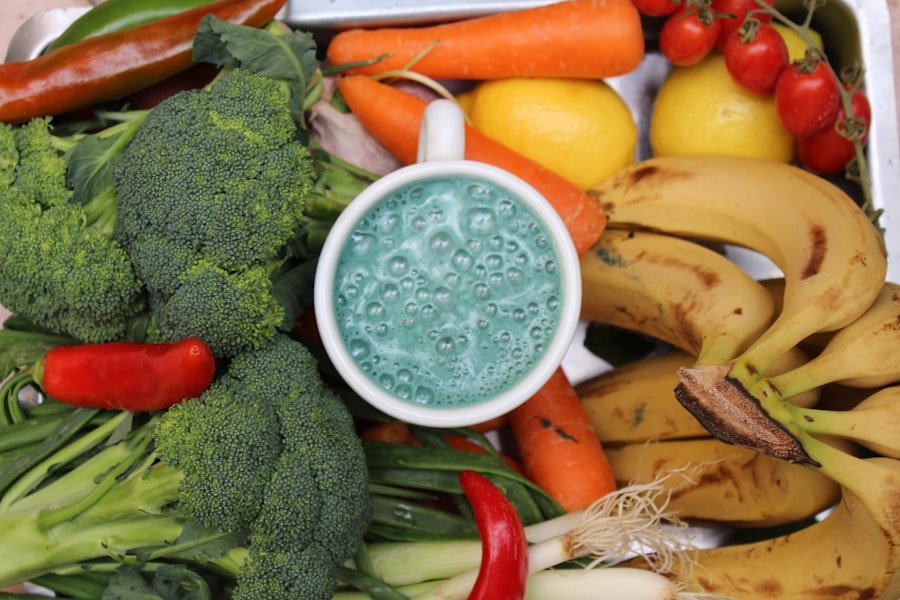
Beyond nutrition, several lifestyle factors play a significant role in supporting immune function. Regular physical activity is one such factor; exercise has been shown to improve circulation and promote the movement of immune cells throughout the body. Moderate exercise can enhance the body’s ability to respond to infections while reducing inflammation.
Sleep is another critical component of a healthy immune system. During sleep, the body undergoes various restorative processes that are essential for optimal immune function. Lack of sleep can lead to increased levels of stress hormones like cortisol, which can suppress the immune response.
Aim for 7-9 hours of quality sleep each night to support your body’s defenses. Stress management is equally important for maintaining a strong immune system. Chronic stress can lead to dysregulation of the immune response and increase susceptibility to illness.
Techniques such as mindfulness meditation, yoga, deep breathing exercises, and spending time in nature can help mitigate stress levels and promote overall well-being.
Immune-Boosting Supplements
While a balanced diet should be the primary source of nutrients for supporting immunity, certain supplements may be beneficial in specific situations or for individuals with dietary restrictions. Vitamin C supplements are popular for their potential to reduce the duration and severity of colds; however, it is essential to consult with a healthcare professional before starting any new supplement regimen. Vitamin D supplements may be particularly important for individuals who have limited sun exposure or those living in northern latitudes where sunlight is scarce during winter months.
Zinc supplements can also be helpful for those who may not get enough zinc from their diet or who are experiencing symptoms of deficiency. Probiotic supplements are gaining attention for their role in supporting gut health and consequently enhancing immunity. They can help restore balance in the gut microbiome after antibiotic use or during periods of stress when gut health may be compromised.
Creating a Balanced Diet for Optimal Immune Health
To create a balanced diet that supports optimal immune health, focus on incorporating a variety of nutrient-dense foods from all food groups. Aim for a colorful plate filled with fruits and vegetables that provide essential vitamins, minerals, antioxidants, and fiber. Whole grains should be included as they offer sustained energy and additional nutrients.
Lean proteins such as poultry, fish, beans, and legumes are vital for building and repairing tissues while also providing amino acids necessary for producing antibodies and other immune components. Healthy fats from sources like avocados, nuts, seeds, and olive oil can help reduce inflammation and support overall health. Hydration is another critical aspect often overlooked; drinking adequate water helps maintain cellular functions and supports overall bodily processes.
Herbal teas can also provide additional benefits due to their antioxidant properties. In summary, fostering a strong immune system requires a multifaceted approach that includes understanding how nutrition impacts immunity, recognizing essential nutrients that bolster defenses, consuming specific foods known for their health benefits, maintaining gut health through dietary choices, adopting healthy lifestyle habits, considering supplements when necessary, and creating a balanced diet tailored to individual needs. By prioritizing these elements in daily life, individuals can enhance their resilience against infections and promote long-term health.
FAQs
What is the immune system?
The immune system is a complex network of cells, tissues, and organs that work together to defend the body against harmful pathogens such as bacteria, viruses, and parasites.
How does nutrition affect the immune system?
Nutrition plays a crucial role in supporting the immune system. Certain nutrients, such as vitamin C, vitamin D, zinc, and antioxidants, help to strengthen the immune response and protect the body from infections.
What are some immune-boosting foods?
Foods that can help boost the immune system include citrus fruits, red bell peppers, broccoli, garlic, ginger, spinach, almonds, turmeric, green tea, and yogurt.
What are some immune-suppressing foods?
Foods that can suppress the immune system include processed foods high in sugar and unhealthy fats, excessive alcohol, and foods high in additives and preservatives.
How can a balanced diet support the immune system?
A balanced diet that includes a variety of fruits, vegetables, whole grains, lean proteins, and healthy fats provides the essential nutrients needed to support a strong and healthy immune system.
Can supplements help boost the immune system?
In some cases, supplements such as vitamin C, vitamin D, zinc, and probiotics can help support the immune system, especially for individuals who may have deficiencies in these nutrients. However, it’s important to consult with a healthcare professional before taking any supplements.