

When embarking on a journey that requires a rental car, the first step is to clearly define your needs and establish a budget. Understanding the purpose of your trip is crucial; whether you are traveling for business, leisure, or a family vacation can significantly influence the type of vehicle you require. For instance, if you are planning a road trip with several family members, a spacious SUV or minivan may be more suitable than a compact car.
Conversely, if you are traveling solo for a business meeting, a smaller sedan might suffice. Additionally, consider the duration of your rental. A weekend getaway may not necessitate the same level of comfort or features as an extended road trip.
Budgeting is equally important in this initial phase. Rental car prices can vary widely based on the type of vehicle, rental duration, and location. It is essential to set a realistic budget that encompasses not only the rental fee but also additional costs such as fuel, insurance, and potential fees for extra services like GPS or child seats.
Researching average rental prices in your destination area can provide a clearer picture of what to expect. By determining your needs and budget upfront, you can streamline the selection process and avoid overspending on features or services that may not be necessary for your trip.
Considering the Size and Type of Vehicle
The size and type of vehicle you choose can greatly impact your travel experience. Different vehicles cater to different needs, and understanding these distinctions can help you make an informed decision. For example, if you are traveling with a large group or have significant luggage, opting for a full-size SUV or a minivan can provide the necessary space and comfort.
These vehicles often come equipped with additional features such as rear air conditioning and ample cargo space, making them ideal for family vacations or group outings. On the other hand, if your journey involves navigating urban environments with narrow streets and limited parking, a compact car may be more advantageous. Compact cars are typically easier to maneuver and park, which can alleviate some of the stress associated with city driving.
Additionally, they often offer better fuel efficiency compared to larger vehicles, which can be a significant consideration if you plan to cover long distances. Ultimately, selecting the right size and type of vehicle should align with your travel plans, ensuring that you have both comfort and practicality during your journey.
Evaluating Fuel Efficiency and Environmental Impact
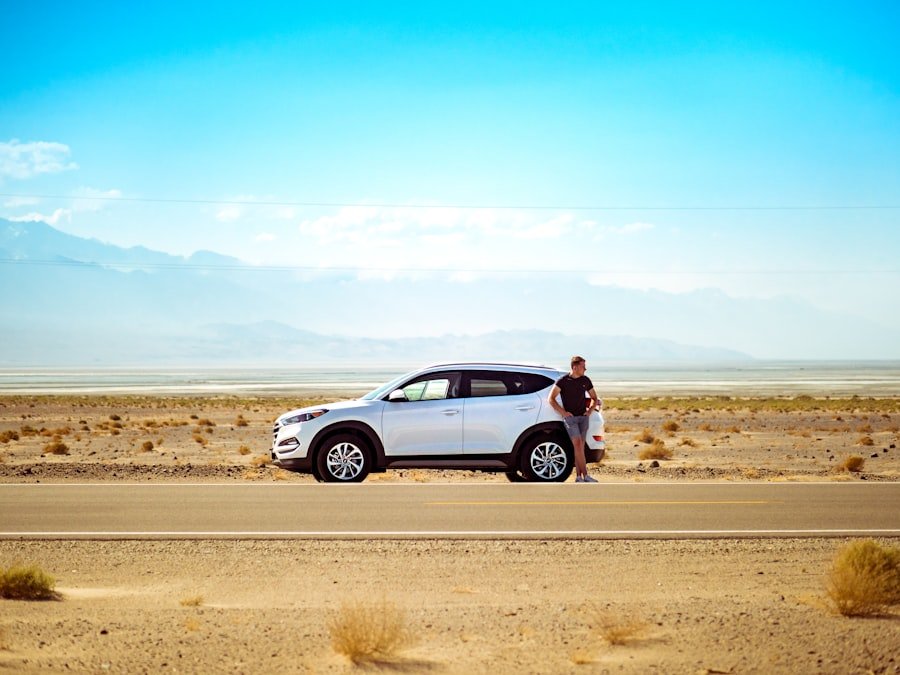
In today’s world, fuel efficiency and environmental impact are increasingly important factors when selecting a rental car. With rising fuel prices and growing concerns about climate change, many travelers are seeking vehicles that offer better mileage and lower emissions. When evaluating options, consider vehicles that are classified as hybrids or electric cars.
These options not only reduce your carbon footprint but can also lead to substantial savings at the pump. For instance, hybrid vehicles combine traditional gasoline engines with electric propulsion, allowing for improved fuel economy without sacrificing performance. Moreover, understanding the environmental policies of rental car companies can also influence your decision.
Some companies have made commitments to sustainability by incorporating eco-friendly practices into their operations. This may include offering a fleet of hybrid or electric vehicles or implementing carbon offset programs. By choosing a rental company that prioritizes sustainability, you contribute to broader efforts aimed at reducing environmental impact while enjoying the benefits of modern technology in transportation.
Checking for Rental Car Insurance and Additional Services
| Company | Insurance Options | Additional Services |
|---|---|---|
| Enterprise | Collision Damage Waiver, Liability Insurance | GPS, Child Safety Seats |
| Hertz | Loss Damage Waiver, Personal Accident Insurance | Ski Racks, Mobile Wi-Fi |
| Avis | Supplemental Liability Insurance, Personal Effects Coverage | Satellite Radio, Roadside SafetyNet |
Before finalizing your rental car selection, it is essential to review insurance options and any additional services offered by the rental company. Rental car insurance can be a complex topic; understanding what coverage is necessary can save you from unexpected expenses in case of an accident or damage to the vehicle. Most rental companies offer various insurance packages that cover liability, collision damage, and personal accident insurance.
It is advisable to check whether your personal auto insurance policy or credit card provides coverage for rental cars, as this could save you from purchasing unnecessary additional insurance. In addition to insurance, consider any extra services that may enhance your rental experience. Many companies offer options such as GPS navigation systems, child safety seats, or roadside assistance packages.
While these services can add convenience, they also come with additional fees that should be factored into your overall budget. Assessing your specific needs will help you determine which services are worth the investment and which can be foregone to keep costs down.
Researching Rental Car Companies and Reviews
The choice of rental car company can significantly affect your overall experience, making thorough research essential. Start by identifying reputable companies that operate in your destination area. Look for well-established brands known for their customer service and reliability.
Online reviews can provide valuable insights into the experiences of previous customers, highlighting both positive aspects and potential pitfalls associated with specific companies. Pay attention to factors such as vehicle availability, cleanliness, customer service responsiveness, and ease of the rental process when reading reviews. Websites like TripAdvisor or Yelp often feature user-generated content that can guide your decision-making process.
Additionally, consider reaching out to friends or family who have traveled to your destination for personal recommendations. A well-reviewed company can enhance your travel experience by providing reliable vehicles and excellent customer support.
Understanding Rental Car Agreements and Policies

Before signing any rental agreement, it is crucial to thoroughly understand the terms and conditions outlined in the contract. Rental agreements often contain specific policies regarding mileage limits, fuel requirements, and restrictions on where you can take the vehicle. For instance, some companies impose mileage caps on rentals; exceeding these limits may result in additional charges.
Familiarizing yourself with these details will help you avoid unexpected fees during or after your rental period. Additionally, pay close attention to the fuel policy outlined in the agreement. Some companies require you to return the vehicle with a full tank of gas, while others may offer options such as pre-purchasing fuel at a discounted rate.
Understanding these policies will help you plan accordingly and avoid unnecessary charges upon returning the vehicle. Furthermore, inquire about any penalties for late returns or changes to your reservation; knowing these details in advance can prevent misunderstandings later on.
Comparing Rental Car Prices and Deals
Once you have established your needs and researched various companies, it is time to compare prices and look for deals that fit within your budget. Many online platforms aggregate rental car prices from multiple companies, allowing you to easily compare rates side by side. This comparison process can reveal significant differences in pricing based on factors such as location, vehicle type, and rental duration.
In addition to standard rates, keep an eye out for promotional deals or discounts that may be available through membership programs or credit card partnerships. Some companies offer special rates for AAA members or frequent flyer programs that can lead to substantial savings. Additionally, booking in advance often results in lower prices compared to last-minute rentals.
By taking the time to compare prices and explore available deals, you can secure a rental car that meets both your needs and budgetary constraints.
Making a Reservation and Confirming Your Rental Car
After completing your research and selecting the ideal vehicle from a reputable company at an acceptable price point, it is time to make your reservation. Most rental companies offer online booking options that allow you to secure your vehicle quickly and conveniently. During this process, ensure that all details are accurate—dates, times, vehicle type, and any additional services should be double-checked before finalizing the reservation.
Once your reservation is confirmed, it is prudent to keep a copy of the confirmation email or receipt for reference during pick-up. This document typically contains essential information such as reservation numbers and contact details for customer service should any issues arise. Additionally, consider calling the rental location a day before your scheduled pick-up to confirm that everything is in order; this proactive step can help alleviate any last-minute surprises on the day of your rental.
By following these steps diligently, you set yourself up for a smooth rental experience that enhances your travel plans rather than complicating them.
FAQs
What factors should I consider when choosing a rental car for a road trip?
Consider the size of the car, fuel efficiency, rental cost, insurance coverage, and any additional features you may need for your road trip.
What size of rental car is best for a road trip?
The size of the rental car depends on the number of passengers and the amount of luggage you will be carrying. A mid-size or full-size car is usually a good choice for road trips.
How can I ensure the rental car is fuel efficient for my road trip?
You can research the fuel efficiency of different car models online or ask the rental company for information on the fuel efficiency of their cars. Choosing a smaller car or a hybrid vehicle can also help improve fuel efficiency.
What insurance coverage should I consider for a rental car on a road trip?
It is important to consider collision damage waiver (CDW), supplemental liability insurance (SLI), and personal accident insurance (PAI) when renting a car for a road trip. Check with your own insurance provider to see if they offer coverage for rental cars.
What additional features should I look for in a rental car for a road trip?
Consider features such as GPS navigation, satellite radio, Bluetooth connectivity, and extra amenities like a roof rack or a bike rack, depending on your road trip needs.