
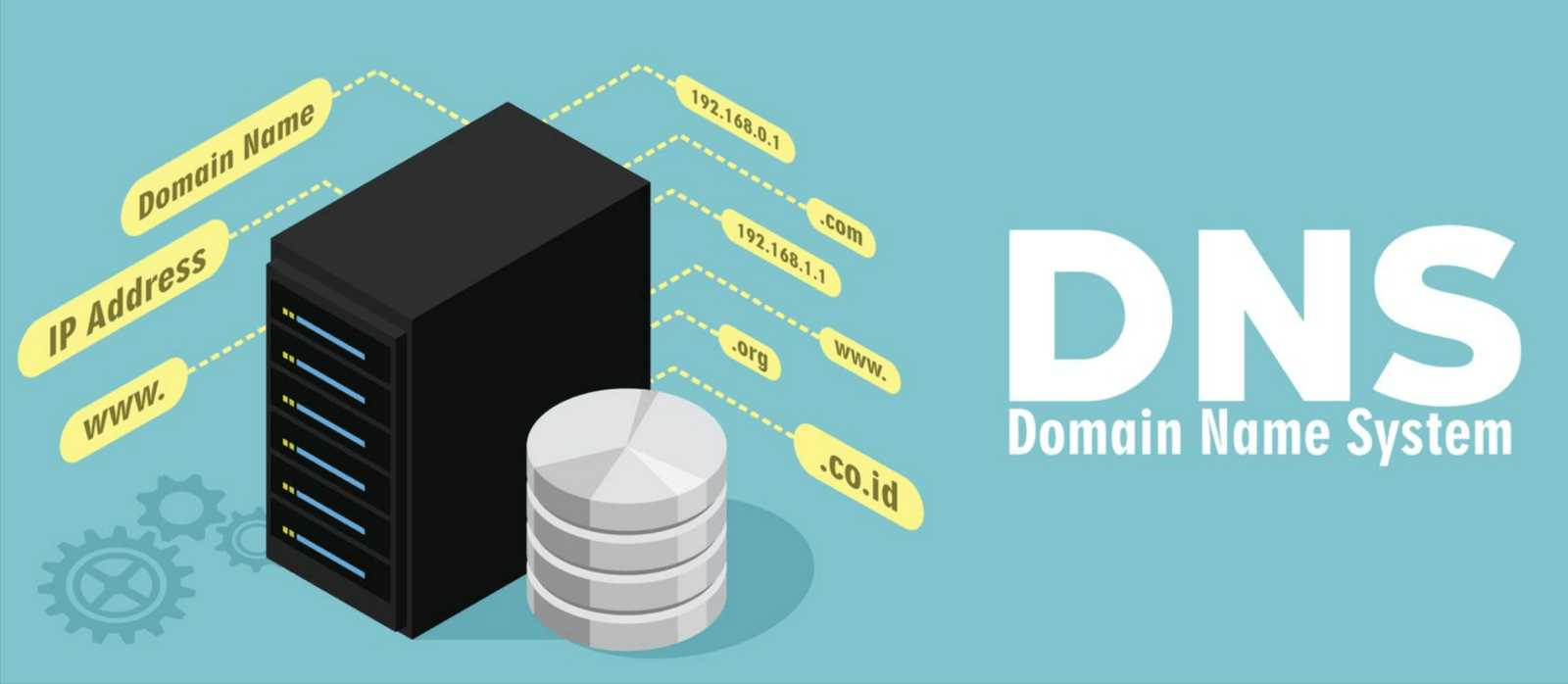
The Domain Name System (DNS) is a fundamental component of the internet’s architecture, serving as the phonebook of the web. It translates human-readable domain names, such as www.example.com, into machine-readable IP addresses, like 192.0.2.1. This translation is crucial because while humans prefer to remember names, computers operate using numerical addresses.
The DNS system allows users to access websites and services without needing to memorize complex strings of numbers. When a user enters a domain name into their browser, the request is sent to a DNS resolver, typically operated by their Internet Service Provider (ISP). The resolver then queries a series of DNS servers to find the corresponding IP address.
This process involves several steps: first, the resolver checks its cache to see if it has recently retrieved the IP address for that domain. If not, it queries a root DNS server, which directs it to the appropriate top-level domain (TLD) server (like .com or .org). Finally, the TLD server points the resolver to the authoritative DNS server for the specific domain, which provides the IP address needed to connect to the website.
This entire process usually takes mere milliseconds, allowing for seamless browsing experiences.
The role of DNS in navigating internet traffic
DNS plays a pivotal role in managing internet traffic by ensuring that users can efficiently access websites and online services. Without DNS, users would be forced to remember and input numerical IP addresses for every site they wish to visit, which would be impractical and cumbersome. By translating domain names into IP addresses, DNS simplifies navigation and enhances user experience on the internet.
Moreover, DNS contributes to load balancing and redundancy in web traffic management. Many large websites utilize multiple servers to handle incoming requests. By employing techniques such as round-robin DNS or geo-DNS, these sites can distribute traffic across various servers based on location or availability.
This not only improves performance by reducing latency but also enhances reliability; if one server goes down, DNS can redirect traffic to another operational server, ensuring that users remain connected without interruption.
Understanding the components of a DNS system

A comprehensive understanding of DNS requires familiarity with its various components, each playing a distinct role in the overall functionality of the system. The primary elements include DNS resolvers, root servers, TLD servers, and authoritative name servers. Each component interacts with others in a hierarchical structure that facilitates efficient domain name resolution.
DNS resolvers are typically located within ISPs and act as intermediaries between users and the DNS infrastructure. They receive queries from client devices and initiate the resolution process by querying other DNS servers. Root servers are at the top of the hierarchy and contain information about TLD servers.
There are only 13 sets of root servers globally, managed by various organizations, which makes them critical for the stability of the entire DNS system. TLD servers manage domains under specific extensions (like .com or .net) and direct queries to authoritative name servers that hold the actual records for individual domains. Authoritative name servers store DNS records such as A records (which map domain names to IP addresses), MX records (which specify mail exchange servers), and CNAME records (which allow one domain to alias another).
Common misconceptions about DNS
| Misconception | Explanation |
|---|---|
| DNS is only used for domain name to IP address resolution | DNS also supports other record types such as MX records for email routing, TXT records for SPF and DKIM, and more. |
| DNS changes propagate instantly | DNS changes can take time to propagate due to caching by ISPs and DNS resolvers. |
| DNSSEC makes DNS fully secure | DNSSEC adds security to DNS by providing authentication, but it does not make DNS fully secure. |
| DNS is only used on the internet | DNS is also used in private networks and intranets for name resolution. |
Despite its critical role in internet functionality, several misconceptions about DNS persist among users and even some IT professionals. One common myth is that DNS is a single entity or service; in reality, it is a decentralized system composed of numerous independent servers worldwide. This decentralization enhances resilience and redundancy but can also lead to confusion regarding how changes propagate across the system.
Another prevalent misconception is that DNS changes take effect immediately. In truth, DNS operates on a caching mechanism that can lead to delays in updates being reflected across all resolvers. When a domain’s DNS records are modified, those changes may not be visible until the Time to Live (TTL) period expires for cached entries on various resolvers.
This can result in users experiencing outdated information or being directed to incorrect IP addresses until caches are refreshed.
The importance of DNS security and privacy
As an essential part of internet infrastructure, DNS security and privacy have become increasingly important in recent years due to rising cyber threats and privacy concerns. One significant vulnerability is DNS spoofing or cache poisoning, where attackers inject malicious data into a resolver’s cache, redirecting users to fraudulent websites without their knowledge. Such attacks can lead to data theft, phishing scams, and other malicious activities.
To combat these threats, various security measures have been developed, including DNS Security Extensions (DNSSEC). This protocol adds a layer of security by enabling authentication of DNS responses through digital signatures, ensuring that users receive accurate information from legitimate sources. Additionally, privacy-focused solutions like DNS over HTTPS (DoH) and DNS over TLS (DoT) encrypt DNS queries between clients and resolvers, preventing eavesdropping and tampering by third parties.
These advancements are crucial in safeguarding user data and maintaining trust in online interactions.
How to troubleshoot DNS issues

Troubleshooting DNS issues can be a complex task due to the various components involved in the resolution process. Common symptoms of DNS problems include inability to access specific websites, slow browsing speeds, or receiving error messages indicating that a domain cannot be found. The first step in diagnosing these issues is to check whether the problem lies with the local device or the broader network.
One effective method for troubleshooting is to use command-line tools such as `nslookup` or `dig`. These tools allow users to query specific DNS records directly from their terminal or command prompt, providing insights into whether a domain is resolving correctly or if there are issues with specific records. Additionally, flushing the local DNS cache can resolve problems caused by outdated entries; this can typically be done with commands like `ipconfig /flushdns` on Windows or `sudo dscacheutil -flushcache` on macOS.
If local troubleshooting does not resolve the issue, it may be necessary to investigate further upstream by checking the status of authoritative name servers or TLD servers using online tools that monitor DNS health. These tools can provide information about server availability and response times, helping identify whether the issue lies with a specific server or if it is more widespread.
The future of DNS and emerging technologies
The future of DNS is poised for significant evolution as emerging technologies reshape how we interact with the internet. One notable trend is the increasing adoption of decentralized DNS solutions that aim to enhance security and resilience against censorship or attacks. Projects like Namecoin and Ethereum Name Service (ENS) leverage blockchain technology to create decentralized naming systems that operate independently of traditional DNS infrastructure.
Additionally, advancements in artificial intelligence (AI) and machine learning are beginning to influence how DNS operates. These technologies can analyze traffic patterns and detect anomalies more effectively than traditional methods, potentially identifying security threats before they escalate into serious incidents. AI-driven solutions may also optimize load balancing and improve overall performance by predicting traffic spikes and dynamically adjusting resource allocation.
As privacy concerns continue to grow among internet users, there will likely be an increased focus on enhancing DNS privacy features. Innovations such as encrypted DNS protocols will become more mainstream as users demand greater protection against surveillance and data interception.
Best practices for managing DNS for your website or network
Effective management of DNS is crucial for ensuring optimal performance and security for websites and networks. One best practice is to regularly review and update DNS records to reflect any changes in infrastructure or services accurately. This includes monitoring TTL settings; shorter TTL values can facilitate quicker updates but may increase query loads on authoritative servers.
Implementing redundancy through multiple authoritative name servers is another essential practice. By distributing your DNS records across several servers located in different geographic regions, you can enhance resilience against outages or attacks on any single server. Additionally, utilizing reputable third-party DNS providers can offer advanced features such as DDoS protection and enhanced security measures.
Monitoring your DNS performance is vital for identifying potential issues before they impact users. Tools that provide insights into query response times and error rates can help you pinpoint bottlenecks or misconfigurations in your setup. Regular audits of your DNS configuration can also help ensure compliance with best practices and security standards.
In conclusion, understanding and effectively managing DNS is essential for anyone involved in maintaining websites or networks. By staying informed about emerging technologies and best practices while addressing common misconceptions about this critical system, individuals can enhance their online presence while ensuring security and reliability for users navigating the vast landscape of the internet.
FAQs
What is DNS?
DNS stands for Domain Name System. It is a system used to translate domain names into IP addresses, which are used by computers to communicate with each other on the internet.
How does DNS work?
When you type a domain name into your web browser, your computer sends a request to a DNS server to look up the IP address associated with that domain. The DNS server then returns the IP address to your computer, allowing it to connect to the website.
What is the purpose of DNS?
The main purpose of DNS is to make it easier for people to access websites and other internet services by using human-readable domain names, rather than having to remember and type in long strings of numbers (IP addresses).
What are the components of DNS?
The main components of DNS include domain names, DNS servers, and DNS records. Domain names are the human-readable names used to identify websites and other internet resources. DNS servers are responsible for storing and providing access to DNS records, which contain information about domain names and their corresponding IP addresses.
Why is DNS important?
DNS is important because it is the backbone of the internet and is essential for allowing users to access websites and other internet services using easy-to-remember domain names. Without DNS, users would have to remember and type in IP addresses to access websites, which would be much more difficult and less user-friendly.