
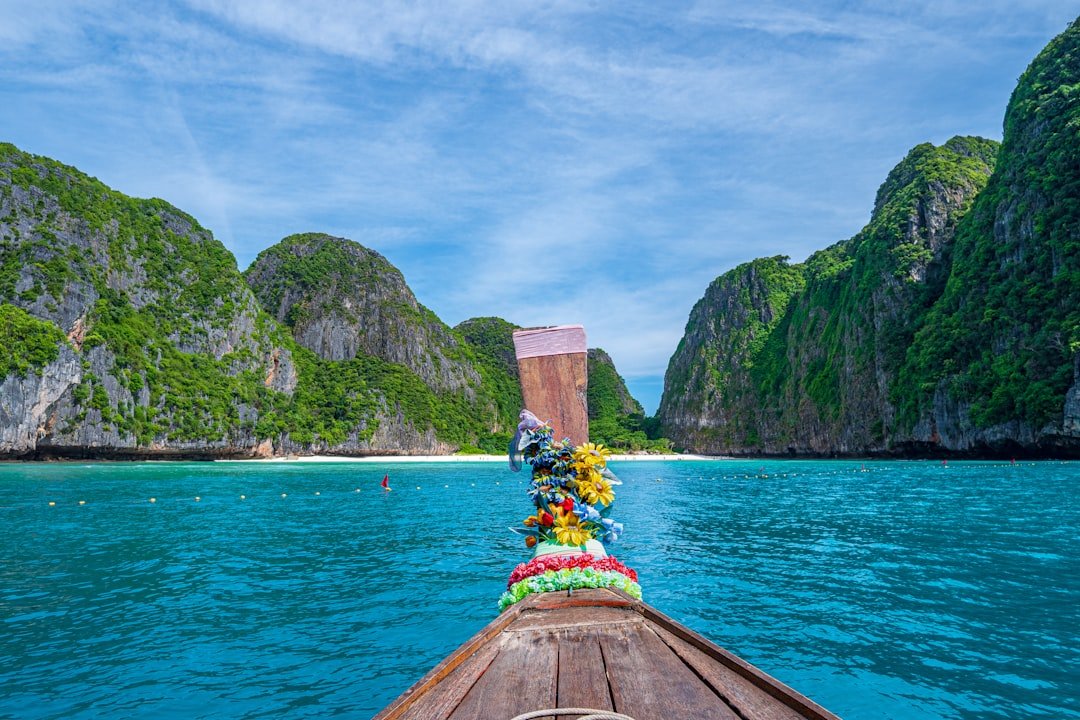
Thailand, often referred to as the “Land of Smiles,” is a country that captivates visitors with its rich tapestry of culture, history, and natural beauty. From the bustling streets of Bangkok to the serene temples of Chiang Mai, and the idyllic beaches of Phuket, Thailand offers a diverse array of experiences that reflect its unique cultural heritage. The country’s history is a blend of indigenous traditions and influences from neighboring countries, resulting in a vibrant society that celebrates its past while embracing modernity.
This article delves into the various facets of Thailand’s culture and its most iconic destinations, providing insights into what makes this Southeast Asian nation a must-visit for travelers. The allure of Thailand extends beyond its picturesque landscapes and historical landmarks; it lies in the warmth of its people and the depth of its traditions. Visitors are often enchanted by the intricate art forms, the colorful festivals, and the tantalizing cuisine that define Thai culture.
Each region of Thailand boasts its own distinct identity, shaped by local customs, languages, and practices. As we explore the heart of Thai culture through its cities and traditions, we will uncover the essence of what makes Thailand a unique destination for those seeking both adventure and cultural enrichment.
Exploring Bangkok: The Heart of Thai Culture and History
Bangkok, the capital city of Thailand, serves as a vibrant hub where tradition meets modernity. The city’s skyline is punctuated by gleaming skyscrapers, yet nestled within its urban sprawl are ancient temples and historical sites that tell the story of Thailand’s past. The Grand Palace, a stunning architectural marvel, was once the official residence of the Kings of Siam.
Its intricate design and opulent decorations reflect the grandeur of Thai craftsmanship and serve as a testament to the country’s royal heritage. Visitors can wander through the palace grounds, marveling at the Emerald Buddha Temple, which houses one of the most revered Buddhist statues in Thailand. Beyond its historical landmarks, Bangkok is also known for its dynamic street life and bustling markets.
The Chatuchak Weekend Market is a prime example, offering an overwhelming array of goods from clothing to handicrafts. This market is not just a shopping destination; it is a cultural experience where visitors can interact with local vendors and sample authentic Thai street food. Dishes such as pad thai, som tam (papaya salad), and mango sticky rice can be found at every corner, showcasing the rich flavors that define Thai cuisine.
The juxtaposition of traditional markets with modern shopping malls like MBK Center highlights Bangkok’s ability to blend old and new seamlessly.
Chiang Mai: A Haven for Temples, Markets, and Thai Traditions
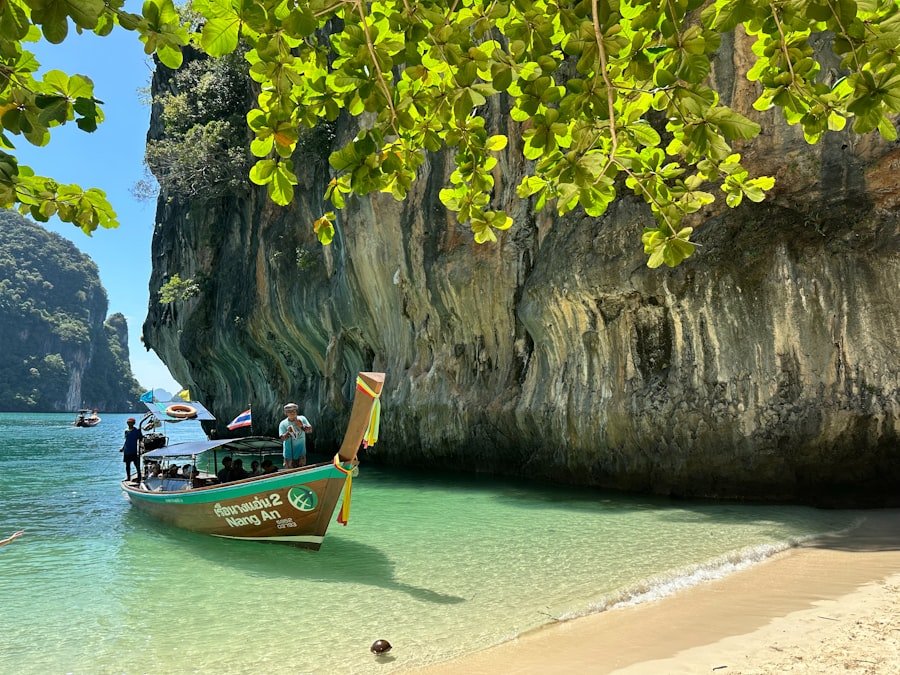
Chiang Mai, located in northern Thailand, is often regarded as the cultural capital of the country. This city is renowned for its stunning temples, many of which date back to the Lanna Kingdom era. Wat Phra That Doi Suthep is perhaps the most famous temple in Chiang Mai, perched on a mountain overlooking the city.
The temple is not only a spiritual site but also offers breathtaking views of the surrounding landscape. Pilgrims and tourists alike ascend the 306 steps to reach its golden stupa, which is believed to house relics of the Buddha. In addition to its temples, Chiang Mai is famous for its vibrant markets that reflect local craftsmanship and traditions.
The Night Bazaar is a bustling hub where artisans sell handmade goods ranging from intricate silver jewelry to colorful textiles. Visitors can immerse themselves in the local culture by participating in workshops that teach traditional crafts such as umbrella painting or pottery making. The city’s commitment to preserving its cultural heritage is evident in events like the Yi Peng Lantern Festival, where thousands of lanterns are released into the night sky, symbolizing hope and new beginnings.
Phuket: Thailand’s Tropical Paradise and Beach Getaway
| Metrics | Details |
|---|---|
| Population | Approximately 420,000 |
| Area | 576 square kilometers |
| Popular Beaches | Patong Beach, Karon Beach, Kata Beach |
| Attractions | Big Buddha, Wat Chalong, Phuket Old Town |
| Activities | Snorkeling, scuba diving, island hopping |
Phuket, Thailand’s largest island, is synonymous with tropical paradise. With its stunning beaches, crystal-clear waters, and vibrant nightlife, Phuket attracts millions of tourists each year seeking relaxation and adventure. Patong Beach is perhaps the most famous stretch of sand on the island, known for its lively atmosphere and water sports activities.
Visitors can indulge in everything from jet skiing to parasailing while soaking up the sun on this bustling beach. However, Phuket offers more than just beach activities; it is also a gateway to exploring nearby islands such as Phi Phi Islands and James Bond Island. These excursions provide opportunities for snorkeling in vibrant coral reefs or simply enjoying the breathtaking scenery that has made these locations iconic.
Beyond its natural beauty, Phuket’s cultural scene is rich with influences from Chinese and Malay communities, evident in its architecture and local festivals. The Old Town area showcases Sino-Portuguese buildings adorned with colorful facades, reflecting a blend of cultures that have shaped Phuket’s identity over centuries.
The Cultural Significance of Thai Cuisine and Food Markets
Thai cuisine is celebrated worldwide for its bold flavors and aromatic ingredients, making it an integral part of Thailand’s cultural identity. The balance of sweet, sour, salty, and spicy flavors creates dishes that are not only delicious but also reflective of Thailand’s agricultural bounty. Rice serves as a staple in Thai meals, often accompanied by an array of curries, stir-fries, and fresh vegetables.
Street food plays a significant role in Thai culinary culture; vendors can be found on nearly every corner serving up dishes like khao soi (curry noodle soup) or satay (grilled meat skewers). Food markets are essential to understanding Thai cuisine’s cultural significance. Markets such as Or Tor Kor Market in Bangkok are renowned for their high-quality produce and prepared foods.
Here, visitors can witness the vibrant colors and aromas that characterize Thai cooking while engaging with local vendors who take pride in their culinary heritage. These markets are not just places to buy food; they are social hubs where families gather to enjoy meals together and share recipes passed down through generations.
Thai Festivals and Celebrations: A Window into Thai Culture

Thai festivals are vibrant celebrations that showcase the country’s rich cultural heritage and community spirit. One of the most famous festivals is Songkran, which marks the traditional Thai New Year in April. During this time, people engage in water fights as a way to cleanse themselves for the year ahead.
The festival has deep-rooted religious significance; water symbolizes purification and renewal in Buddhist traditions. Streets come alive with laughter and joy as locals and tourists alike participate in this unique celebration. Another significant festival is Loy Krathong, celebrated on the full moon night of the 12th lunar month.
During this festival, people create small floating baskets (krathongs) adorned with flowers and candles to release onto rivers and lakes as an offering to the water goddess. This act symbolizes letting go of negativity and welcoming good fortune. The sight of thousands of illuminated krathongs drifting on water creates a magical atmosphere that captivates participants and observers alike.
The Influence of Buddhism on Thai Culture and Society
Buddhism plays a central role in shaping Thai culture and societal values. Approximately 95% of Thais identify as Buddhists, making it an integral part of daily life. Temples (wats) are not only places of worship but also community centers where people gather for festivals, ceremonies, and educational activities.
The teachings of Buddhism emphasize compassion, mindfulness, and respect for all living beings—values that resonate deeply within Thai society. The influence of Buddhism can be seen in various aspects of Thai life, from art to architecture. Traditional Thai art often depicts scenes from Buddhist mythology or portrays serene images of Buddha himself.
Festivals such as Visakha Bucha Day commemorate significant events in Buddha’s life and are observed with merit-making activities like giving alms to monks or participating in meditation sessions. This spiritual connection fosters a sense of community among Thais as they collectively engage in practices that promote harmony and well-being.
Preserving Thai Traditions: The Importance of Cultural Conservation in Thailand
As Thailand continues to modernize rapidly, there is an increasing awareness of the need to preserve its rich cultural heritage for future generations. Cultural conservation efforts are vital in maintaining traditional practices that define Thai identity amidst globalization’s pressures. Organizations dedicated to preserving traditional arts such as Muay Thai (Thai boxing), classical dance forms like Khon, and handicrafts are working tirelessly to ensure these practices remain vibrant.
Moreover, educational initiatives aimed at teaching younger generations about their cultural heritage play a crucial role in this conservation effort. Schools incorporate lessons on traditional crafts, music, and dance into their curricula to instill pride in Thai culture among students. Community-based tourism initiatives also encourage visitors to engage with local traditions authentically while supporting artisans and preserving their crafts.
By fostering an appreciation for their cultural roots, Thais are taking proactive steps toward safeguarding their unique identity in an ever-changing world. In conclusion, Thailand’s unique culture is a mosaic woven from history, spirituality, culinary delights, and vibrant celebrations that reflect its people’s values and traditions. Each destination offers a glimpse into this rich tapestry—whether through Bangkok’s historical landmarks or Chiang Mai’s temples—while also highlighting the importance of preserving these traditions for future generations amidst modernization pressures.
FAQs
What are the best destinations to visit in Thailand?
Some of the best destinations to visit in Thailand include Bangkok, Chiang Mai, Phuket, Krabi, Ayutthaya, and Sukhothai. Each of these destinations offers unique cultural experiences, historical sites, and natural beauty.
What cultural insights should I be aware of when traveling to Thailand?
When traveling to Thailand, it’s important to be aware of the local customs and traditions. This includes showing respect for the Thai monarchy, removing your shoes before entering a temple or someone’s home, and being mindful of proper etiquette when interacting with locals.
What are some essential items to pack for a trip to Thailand?
Some essential items to pack for a trip to Thailand include lightweight and breathable clothing, comfortable walking shoes, sunscreen, insect repellent, a travel adapter, and a reusable water bottle. It’s also important to pack any necessary medications and a copy of your passport and travel insurance information.
What is the best time of year to visit Thailand?
The best time to visit Thailand is during the cool and dry season, which typically runs from November to February. This is when the weather is most comfortable for outdoor activities and sightseeing. However, it’s important to note that certain regions of Thailand may have slightly different weather patterns.