
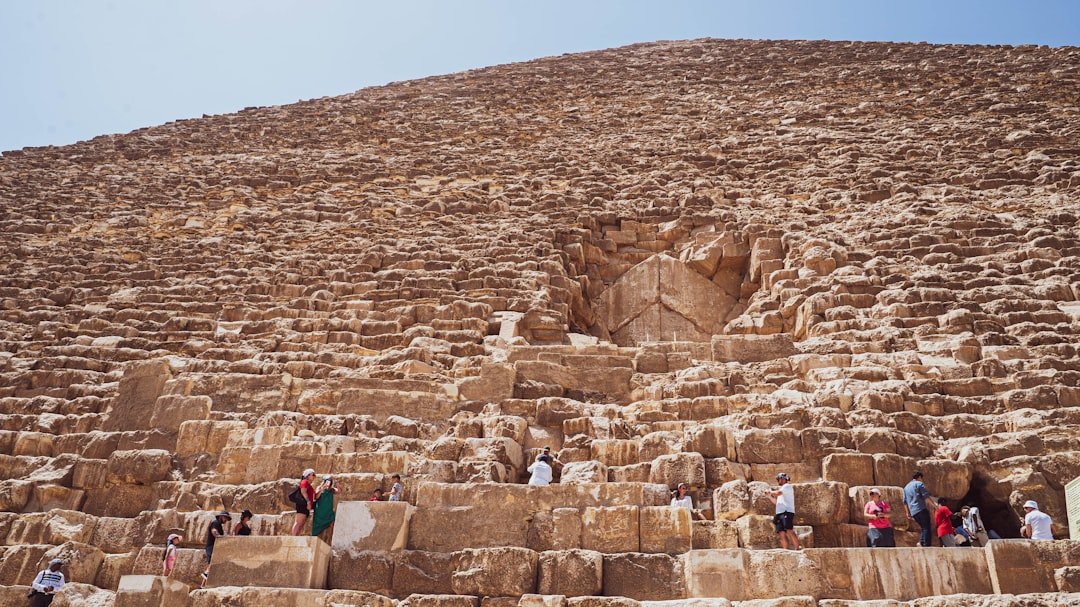
While the Pyramids of Giza and the temples of Luxor often steal the spotlight, Egypt is home to a plethora of lesser-known archaeological sites that offer a glimpse into the country’s rich history and cultural tapestry. One such site is the ancient city of Tanis, located in the Nile Delta. Once the capital of Egypt during the 21st and 22nd dynasties, Tanis is now a treasure trove of artifacts and ruins that tell the story of a civilization at its zenith.
The site features impressive temples, including the Temple of Amun, which showcases intricate carvings and colossal statues that have withstood the test of time. Visitors can wander through the remnants of this once-thriving city, marveling at the craftsmanship of ancient artisans and gaining insight into the daily lives of its inhabitants. Another hidden gem is the necropolis of Saqqara, which is often overshadowed by its more famous neighbor, Giza.
Saqqara is home to the Step Pyramid of Djoser, considered the world’s oldest stone monument. However, beyond this iconic structure lies a vast burial ground filled with lesser-known pyramids, mastabas, and tombs adorned with exquisite hieroglyphics and frescoes. The site offers a unique opportunity to explore the evolution of pyramid construction and funerary practices over centuries.
The tomb of Ti, for instance, features stunning wall reliefs that depict scenes from daily life, providing invaluable insights into the social and economic conditions of ancient Egypt. These lesser-known sites not only enrich our understanding of Egypt’s past but also allow for a more intimate experience away from the crowds.
Unearthing Egypt’s Rich Cultural Heritage
Egypt’s cultural heritage is a mosaic woven from millennia of history, encompassing influences from various civilizations that have called this land home. The Coptic Museum in Cairo serves as a testament to this rich tapestry, showcasing artifacts from Egypt’s Christian heritage dating back to the 1st century AD. The museum houses an impressive collection of Coptic art, including textiles, manuscripts, and wooden icons that reflect the unique blend of Egyptian and Christian traditions.
Visitors can explore beautifully preserved pieces that illustrate the evolution of religious practices and artistic expression in Egypt over centuries. In addition to Coptic heritage, Egypt’s Islamic history is equally significant. The historic district of Islamic Cairo is a UNESCO World Heritage site that boasts an array of mosques, madrasas, and palaces that date back to the Fatimid, Mamluk, and Ottoman periods.
The Mosque of Muhammad Ali, perched atop the Citadel of Cairo, is a striking example of Ottoman architecture with its grand domes and minarets. Walking through the narrow streets of this vibrant district allows visitors to experience the living history of Egypt’s Islamic past, where traditional crafts such as calligraphy and pottery continue to thrive. The juxtaposition of ancient and modern elements in these neighborhoods highlights the enduring legacy of Egypt’s diverse cultural heritage.
Navigating Egypt’s Diverse Landscape: From Deserts to Beaches
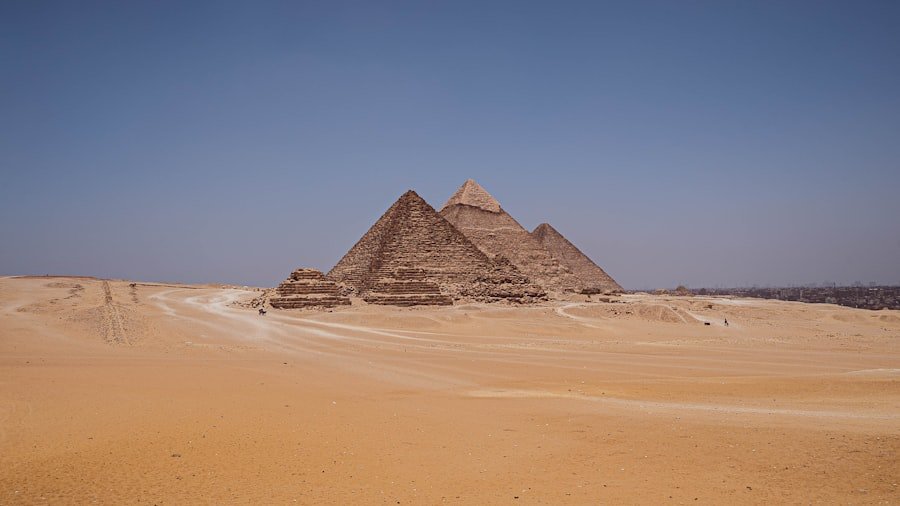
Egypt’s geographical diversity is one of its most captivating features, offering a range of landscapes that cater to various interests and activities. The vast expanse of the Sahara Desert presents an opportunity for adventure seekers to explore its rugged beauty. The White Desert, known for its surreal chalk formations shaped by wind erosion, provides a stunning backdrop for camping under a blanket of stars.
Travelers can embark on guided tours that include thrilling activities such as sandboarding or camel trekking, immersing themselves in the tranquility and isolation that only a desert can offer. Conversely, Egypt’s coastline along the Red Sea is a paradise for beach lovers and divers alike. Destinations like Sharm El Sheikh and Hurghada are renowned for their crystal-clear waters and vibrant coral reefs teeming with marine life.
Snorkeling and scuba diving enthusiasts can explore underwater ecosystems that rival some of the world’s best dive sites. The Ras Mohammed National Park, located at the southern tip of the Sinai Peninsula, is particularly famous for its biodiversity and stunning coral formations. Here, visitors can witness an array of colorful fish and other marine creatures in their natural habitat while enjoying the warm sun on pristine beaches.
Immersing Yourself in Egypt’s Vibrant Local Markets and Bazaars
| Market/Bazaar | Location | Products | Atmosphere |
|---|---|---|---|
| Khan El Khalili | Cairo | Spices, textiles, souvenirs | Bustling and lively |
| Aswan Souk | Aswan | Nubian crafts, jewelry | Colorful and vibrant |
| Luxor Market | Luxor | Handmade rugs, pottery | Traditional and authentic |
The bustling markets and bazaars of Egypt are a sensory feast that offers visitors an authentic glimpse into local life. Khan El Khalili in Cairo is perhaps the most famous market, where narrow alleyways are lined with shops selling everything from spices and textiles to handcrafted jewelry and traditional souvenirs. The vibrant atmosphere is enhanced by the sounds of haggling vendors and the enticing aromas wafting from nearby food stalls.
Engaging with local artisans provides an opportunity to learn about traditional crafts such as carpet weaving or pottery making, fostering a deeper appreciation for Egypt’s artisanal heritage. In contrast to the tourist-centric markets, smaller local bazaars in cities like Aswan or Luxor offer a more intimate shopping experience. Here, visitors can interact with local vendors who are often eager to share stories about their products and culture.
The Aswan Souk is particularly known for its spices, herbs, and handmade crafts that reflect the region’s Nubian heritage. Sampling local delicacies such as freshly baked bread or traditional sweets while navigating these vibrant markets adds another layer to the experience. These interactions not only support local economies but also create lasting memories through genuine connections with Egyptian culture.
Delving into Egypt’s Fascinating Pharaonic History
The allure of ancient Egypt lies largely in its pharaonic history, characterized by monumental achievements in architecture, art, and governance. The Valley of the Kings serves as a prime example of this legacy, housing the tombs of numerous pharaohs from the New Kingdom period. Among these tombs is that of Tutankhamun, whose discovery in 1922 by Howard Carter captivated the world with its wealth of artifacts and treasures.
The intricate wall paintings within these tombs provide insights into ancient beliefs about the afterlife and the rituals associated with burial practices. Moreover, exploring sites like Karnak Temple reveals the grandeur of pharaonic architecture. This vast complex was built over several centuries and dedicated to Amun-Ra, showcasing colossal columns adorned with hieroglyphics that narrate tales of divine kingship and military conquests.
The sheer scale of Karnak Temple reflects the power dynamics of ancient Egypt, where pharaohs sought to immortalize their legacies through monumental constructions. Visitors can witness reenactments during festivals held at these sites, allowing them to experience firsthand how ancient Egyptians celebrated their gods and honored their rulers.
Experiencing Egypt’s Unique and Flavorful Cuisine
Egyptian cuisine is a delightful fusion of flavors influenced by various cultures throughout history. Traditional dishes such as koshari—a hearty mix of rice, lentils, pasta, and topped with spicy tomato sauce—reflect the country’s agricultural bounty and culinary creativity. Street vendors serve this beloved dish across cities, making it accessible to locals and tourists alike.
The combination of textures and flavors in koshari exemplifies how Egyptian cuisine embraces simplicity while delivering robust taste. Another staple is ful medames, a dish made from fava beans simmered with spices and served with olive oil, lemon juice, and fresh vegetables. This dish has been enjoyed since ancient times and remains a popular breakfast choice among Egyptians today.
Pairing it with freshly baked pita bread creates a satisfying meal that showcases local ingredients. Additionally, indulging in sweets like basbousa—a semolina cake soaked in syrup—offers a sweet conclusion to any meal while highlighting Egypt’s penchant for desserts rich in flavor.
Connecting with Egypt’s Warm and Hospitable Local Communities
One of Egypt’s most endearing qualities is its people, known for their warmth and hospitality towards visitors. Engaging with local communities provides an enriching experience that transcends typical tourist interactions. In rural areas such as Siwa Oasis or Nubian villages along the Nile, travelers can participate in traditional customs and learn about local ways of life.
For instance, spending time with a Nubian family may involve sharing meals prepared with locally sourced ingredients while listening to stories passed down through generations. Community-based tourism initiatives have gained traction in recent years, allowing visitors to contribute positively to local economies while fostering cultural exchange. Programs that promote homestays or workshops led by local artisans enable travelers to immerse themselves in everyday life while supporting sustainable practices.
This connection fosters mutual respect and understanding between cultures, creating lasting bonds that extend beyond geographical boundaries.
Uncovering Egypt’s Modern and Ancient Art and Architecture
Egypt’s artistic legacy spans thousands of years, encompassing both ancient masterpieces and contemporary expressions. The Egyptian Museum in Cairo houses an extensive collection of artifacts that showcase ancient art forms ranging from sculpture to jewelry-making. The meticulous craftsmanship evident in pieces like Tutankhamun’s golden mask reflects not only artistic skill but also deep cultural significance tied to religious beliefs and societal values.
In contrast, modern Egyptian art has evolved dramatically over recent decades, influenced by global trends while retaining distinct local characteristics. Contemporary artists such as Ghada Amer explore themes related to gender identity and cultural heritage through innovative mediums like painting and installation art. Galleries in Cairo’s Zamalek district feature works by emerging artists who challenge traditional narratives while addressing contemporary social issues.
This dynamic interplay between ancient traditions and modern expressions highlights Egypt’s ongoing dialogue with its rich artistic heritage while embracing new ideas that resonate with today’s audiences. Through these diverse experiences—whether exploring archaeological wonders or savoring local cuisine—visitors to Egypt are invited to engage deeply with a land steeped in history yet vibrantly alive with culture today.
FAQs
What are some popular destinations in Egypt beyond the pyramids?
Some popular destinations in Egypt beyond the pyramids include the ancient city of Luxor, the temples of Abu Simbel, the Valley of the Kings, the Red Sea resorts of Hurghada and Sharm El Sheikh, and the historic city of Alexandria.
What activities can visitors enjoy in Egypt beyond the pyramids?
Visitors can enjoy activities such as cruising the Nile River, exploring ancient temples and tombs, snorkeling or diving in the Red Sea, visiting traditional markets and bazaars, and experiencing the vibrant nightlife in cities like Cairo and Luxor.
What is the best time of year to visit Egypt beyond the pyramids?
The best time to visit Egypt beyond the pyramids is during the winter months (November to February) when the weather is cooler and more comfortable for sightseeing and outdoor activities. However, the Red Sea resorts are popular year-round for beach and water activities.
What are some cultural experiences to explore in Egypt beyond the pyramids?
Some cultural experiences to explore in Egypt beyond the pyramids include visiting traditional Nubian villages, attending a sound and light show at ancient monuments, experiencing a traditional Egyptian meal, and learning about the country’s rich history and heritage at museums and historical sites.
Are there any natural wonders to see in Egypt beyond the pyramids?
Yes, there are several natural wonders to see in Egypt beyond the pyramids, including the White Desert with its unique rock formations, the Colored Canyon in the Sinai Peninsula, and the oases of the Western Desert such as Siwa and Bahariya.