
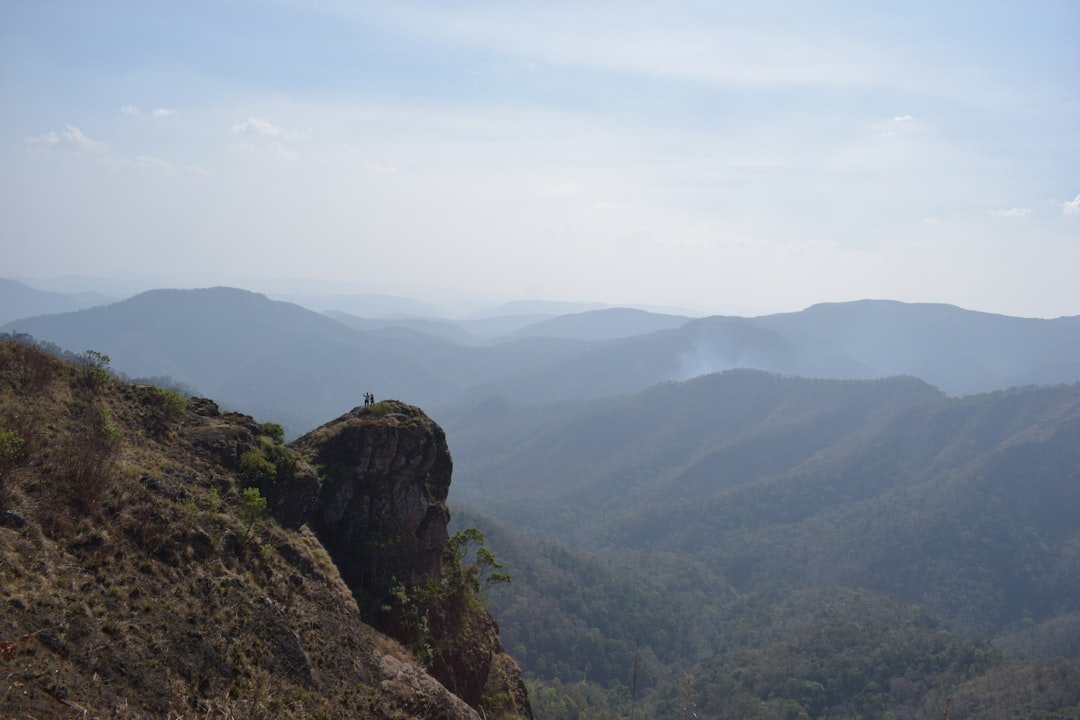
Scandinavia, a region in Northern Europe, is renowned for its stunning landscapes, rich history, and vibrant cultures. Comprising three primary countries—Sweden, Denmark, and Norway—this area is characterized by its unique blend of natural beauty and urban sophistication. The term “Scandinavia” is often used interchangeably with “Nordic countries,” which also includes Finland and Iceland, but traditionally refers to the three kingdoms that share a common cultural and historical heritage.
The region is marked by its dramatic fjords, expansive forests, and picturesque coastlines, making it a haven for nature lovers and adventure seekers alike. The Scandinavian countries are not only known for their breathtaking scenery but also for their progressive societies and high standards of living. Each country boasts its own distinct identity while sharing common threads of language, customs, and traditions.
The Scandinavian lifestyle emphasizes sustainability, equality, and a deep connection to nature, which is reflected in everything from urban planning to culinary practices. As travelers explore this enchanting region, they will encounter a wealth of experiences that highlight the unique characteristics of each country while celebrating their shared heritage.
Must-See Attractions in Sweden
Sweden is a land of contrasts, where modernity meets tradition in a seamless blend. One of the most iconic attractions is the Vasa Museum in Stockholm, which houses the only preserved 17th-century ship in the world. The Vasa sank on its maiden voyage in 1628 and was salvaged over 300 years later.
Visitors can marvel at the intricately carved wooden ship and learn about its history through engaging exhibits that detail the maritime culture of the time. The museum’s immersive experience allows guests to appreciate not only the craftsmanship of the vessel but also the historical context surrounding its construction and eventual demise. Another must-see destination is the picturesque town of Visby on the island of Gotland.
This UNESCO World Heritage site is famous for its well-preserved medieval architecture, including ancient city walls and charming cobblestone streets. The annual Medieval Week in August transforms Visby into a vibrant hub of historical reenactments, where locals and visitors alike don period costumes to celebrate the town’s rich heritage. Exploring Visby offers a glimpse into Sweden’s past while providing an opportunity to enjoy local delicacies and artisanal crafts.
Must-See Attractions in Denmark
Denmark is often celebrated for its fairy-tale charm, with attractions that evoke a sense of wonder and nostalgia. One of the most famous landmarks is the Little Mermaid statue in Copenhagen, inspired by Hans Christian Andersen’s beloved fairy tale. Perched on a rock by the harbor, this iconic sculpture draws millions of visitors each year who come to capture a photograph with this symbol of Danish culture.
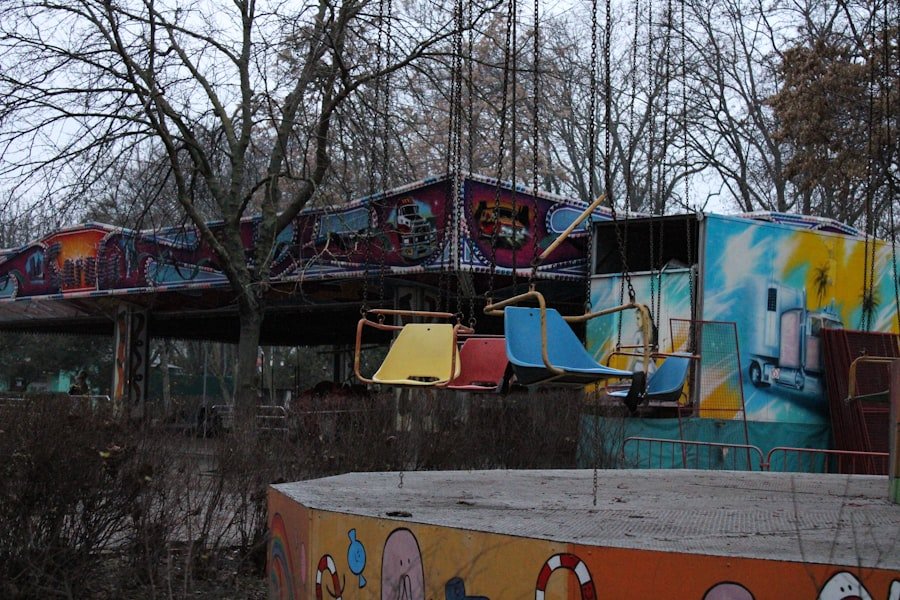
The statue’s melancholic expression reflects the poignant themes of love and sacrifice found in Andersen’s stories, making it a poignant stop for literature enthusiasts. Another highlight is Tivoli Gardens, one of the oldest amusement parks in the world, located in the heart of Copenhagen. Opened in 1843, Tivoli combines thrilling rides with beautifully landscaped gardens, live performances, and gourmet dining options.
The park’s enchanting atmosphere comes alive at night when thousands of twinkling lights illuminate the pathways, creating a magical experience for visitors of all ages. Whether one seeks adrenaline-pumping rides or a leisurely stroll through lush gardens, Tivoli Gardens offers an unforgettable experience that captures the essence of Danish leisure.
Must-See Attractions in Norway
| Attraction | Location | Visitor Count |
|---|---|---|
| Geirangerfjord | Stranda Municipality | 700,000 annually |
| Norwegian Fjords | Various locations | 1 million annually |
| Viking Ship Museum | Oslo | 500,000 annually |
| Bryggen Wharf | Bergen | 900,000 annually |
Norway is synonymous with breathtaking natural beauty, and its attractions reflect this stunning landscape. The Geirangerfjord, a UNESCO World Heritage site, is one of Norway’s most famous fjords, known for its steep cliffs and cascading waterfalls. Visitors can embark on scenic boat tours that navigate through the fjord’s emerald waters while taking in panoramic views of towering mountains and lush greenery.
The Seven Sisters waterfall, with its seven distinct streams flowing down the cliffside, is a highlight that captivates photographers and nature lovers alike. In addition to its natural wonders, Norway boasts rich cultural heritage sites such as the stave churches scattered throughout the countryside. These wooden structures date back to the Middle Ages and are characterized by their intricate carvings and unique architectural style.
The Borgund Stave Church is one of the best-preserved examples, showcasing the craftsmanship of medieval builders. Exploring these churches provides insight into Norway’s religious history and architectural innovation while offering a serene atmosphere for reflection.
Outdoor Adventures in Scandinavia
Scandinavia is a paradise for outdoor enthusiasts, offering a plethora of activities that cater to all levels of adventure seekers. In Sweden, the vast wilderness of Abisko National Park presents opportunities for hiking, skiing, and witnessing the mesmerizing Northern Lights during winter months. The park’s well-marked trails lead adventurers through stunning landscapes dotted with frozen lakes and snow-capped peaks.
For those seeking an adrenaline rush, ice climbing on frozen waterfalls or snowshoeing through pristine snowfields provides an exhilarating way to experience Sweden’s natural beauty. Norway’s rugged terrain invites exploration through activities such as fjord kayaking and mountain biking. The Lofoten Islands are particularly popular for kayaking enthusiasts, offering crystal-clear waters surrounded by dramatic peaks.
Paddling through these serene waters allows adventurers to connect with nature while spotting wildlife such as seals and seabirds. Additionally, hiking to iconic viewpoints like Preikestolen (Pulpit Rock) rewards trekkers with breathtaking vistas overlooking Lysefjord—a sight that remains etched in memory long after the journey ends.
Cultural Experiences in Scandinavia
Cultural experiences in Scandinavia are as diverse as the landscapes themselves, offering travelers a chance to immerse themselves in local traditions and customs. In Sweden, Midsummer celebrations are a highlight of the cultural calendar. This festival marks the summer solstice and involves dancing around maypoles adorned with flowers while enjoying traditional foods such as herring and new potatoes.
Participating in Midsummer festivities provides insight into Swedish folklore and community spirit, making it an unforgettable experience for visitors. Denmark’s rich artistic heritage can be explored through visits to museums such as the Louisiana Museum of Modern Art, located just north of Copenhagen. This museum not only showcases contemporary art but also boasts stunning views of the Øresund Strait from its sculpture park.
Engaging with Denmark’s artistic scene allows travelers to appreciate the country’s commitment to creativity and innovation while enjoying a serene environment that inspires reflection.
Culinary Delights in Scandinavia
Scandinavian cuisine has gained international acclaim for its emphasis on fresh ingredients and innovative cooking techniques. In Sweden, traditional dishes such as meatballs served with lingonberry sauce have become iconic representations of Swedish culinary culture. Visitors can indulge in these flavors at local restaurants or even participate in cooking classes that teach them how to prepare classic dishes using seasonal ingredients sourced from nearby farms.
Denmark has also made waves on the culinary scene with its focus on New Nordic cuisine, which emphasizes local produce and sustainable practices. Renowned restaurants like Noma have put Copenhagen on the global culinary map by reimagining traditional dishes with modern flair. Diners can experience this culinary revolution firsthand by exploring food markets such as Torvehallerne, where they can sample artisanal cheeses, cured meats, and freshly baked pastries while mingling with local vendors.
Practical Tips for Traveling in Scandinavia
Traveling through Scandinavia requires some practical considerations to ensure a smooth experience. First and foremost, understanding the transportation options available is crucial for navigating between cities and attractions. Each country boasts efficient public transportation systems, including trains and buses that connect major cities seamlessly.
For instance, Sweden’s SJ trains offer comfortable travel between Stockholm and Gothenburg, while Denmark’s DSB trains provide easy access to picturesque towns like Aarhus. Additionally, travelers should be mindful of seasonal variations when planning their trips. Summer months bring long daylight hours perfect for outdoor activities, while winter offers opportunities for skiing and witnessing the Northern Lights.
Packing appropriately for varying weather conditions is essential; layering clothing is advisable due to fluctuating temperatures throughout the day. Furthermore, embracing local customs—such as learning basic phrases in Swedish or Danish—can enhance interactions with locals and enrich the overall travel experience. In conclusion, Scandinavia presents an array of attractions that cater to diverse interests—from historical landmarks to outdoor adventures—while offering rich cultural experiences and culinary delights that reflect its unique heritage.
With careful planning and an open mind, travelers can fully immerse themselves in this captivating region that continues to inspire awe and admiration.
FAQs
What are the top attractions in Sweden?
Some of the top attractions in Sweden include the Vasa Museum in Stockholm, the Old Town (Gamla Stan) in Stockholm, the Icehotel in Jukkasjärvi, and the ABBA Museum in Stockholm.
What are the top attractions in Denmark?
Some of the top attractions in Denmark include Tivoli Gardens in Copenhagen, the Little Mermaid statue in Copenhagen, the Nyhavn waterfront in Copenhagen, and the Legoland Billund Resort.
What are the top attractions in Norway?
Some of the top attractions in Norway include the fjords of Norway, the Viking Ship Museum in Oslo, the Bryggen Hanseatic Wharf in Bergen, and the Northern Lights in Tromsø.