

In an era where home safety is paramount, the need for effective security measures has never been more pressing. With the rise in property crimes and the increasing sophistication of burglars, homeowners are compelled to invest in advanced security solutions. Home security upgrades not only provide peace of mind but also enhance the overall value of a property.
As technology continues to evolve, so do the options available for securing homes, making it essential for homeowners to stay informed about the latest advancements in security systems. The landscape of home security has transformed dramatically over the past decade. Traditional locks and alarm systems have given way to innovative technologies that offer greater convenience and efficiency.
From smart locks that can be controlled via smartphones to comprehensive surveillance systems that allow for real-time monitoring, the choices are vast and varied. This article delves into the various components of modern home security upgrades, exploring their functionalities, benefits, and how they can be integrated into a cohesive security strategy.
Smart Locks and Keyless Entry Systems
Smart locks represent a significant leap forward in home security technology. Unlike traditional locks that require physical keys, smart locks utilize electronic mechanisms that can be controlled remotely. Homeowners can unlock their doors using smartphones, key fobs, or even biometric data such as fingerprints.
This not only eliminates the risk of losing keys but also allows for greater control over who has access to the home. For instance, a homeowner can grant temporary access to a service provider or a guest without needing to be physically present. Moreover, many smart locks come equipped with features such as activity logs, which track who enters and exits the home and when.
This can be particularly useful for families with children or for those who frequently have visitors. Some models even integrate with home automation systems, allowing users to create customized access schedules or receive alerts when someone enters or exits the premises. The convenience and enhanced security offered by smart locks make them an attractive option for modern homeowners looking to upgrade their security measures.
Keyless entry systems further complement smart locks by providing additional layers of convenience and security. These systems often include keypad entry options, where users can input a code to gain access. This feature is particularly beneficial for families, as it allows children to enter the home without needing a key.
Additionally, keyless entry systems can be programmed to change codes regularly, enhancing security by minimizing the risk of unauthorized access. The combination of smart locks and keyless entry systems creates a robust security framework that adapts to the needs of contemporary living.
Security Cameras and Surveillance Systems

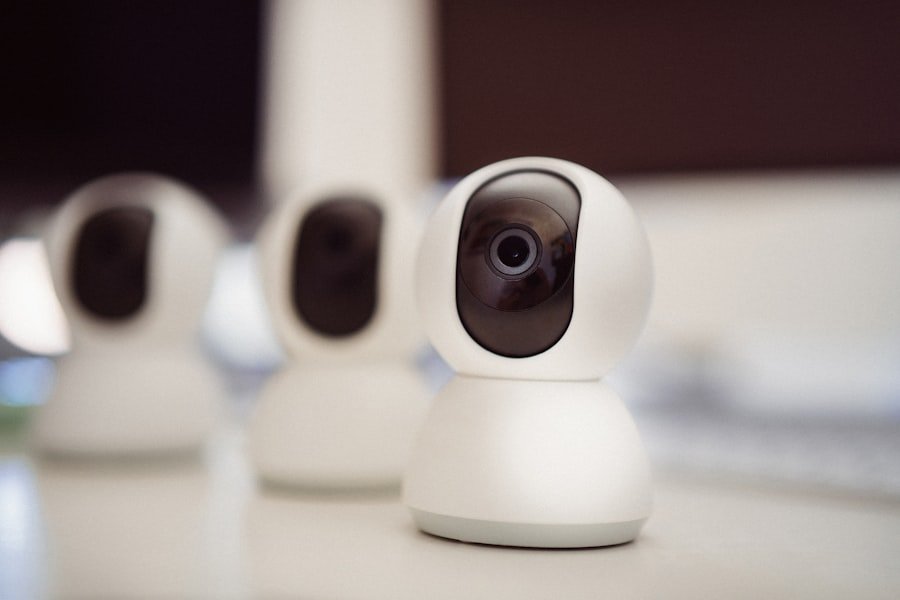
The integration of security cameras into home security systems has revolutionized how homeowners monitor their properties. Modern surveillance cameras come equipped with high-definition video capabilities, night vision, and motion detection features that allow for comprehensive monitoring around the clock. These cameras can be strategically placed both indoors and outdoors to cover vulnerable areas such as entry points, driveways, and backyards.
One of the most significant advantages of contemporary security cameras is their ability to connect to the internet, enabling remote access via smartphones or computers. Homeowners can view live feeds or recorded footage from anywhere in the world, providing an added layer of reassurance when away from home. For example, if a homeowner receives an alert about unusual activity while on vacation, they can quickly check the camera feed to assess the situation and take appropriate action if necessary.
Additionally, many modern surveillance systems incorporate artificial intelligence (AI) technology that enhances their functionality. AI-powered cameras can differentiate between people, pets, and vehicles, reducing false alarms triggered by non-threatening movements. Some systems even offer facial recognition capabilities, allowing homeowners to receive notifications when familiar faces are detected or when strangers enter their property.
This level of sophistication not only improves security but also provides valuable insights into daily activities around the home.
Motion Sensor Lights and Alarms
Motion sensor lights are an essential component of any comprehensive home security strategy. These lights automatically illuminate when they detect movement within a specified range, effectively deterring potential intruders by increasing visibility around the property. Strategically placing motion sensor lights near entry points, driveways, and dark corners can significantly enhance safety during nighttime hours.
In addition to their deterrent effect, motion sensor lights can also provide practical benefits for homeowners. For instance, they can illuminate pathways when returning home after dark, reducing the risk of accidents or falls. Many modern motion sensor lights are equipped with adjustable sensitivity settings and timers, allowing homeowners to customize their operation based on specific needs or preferences.
This adaptability ensures that lights activate only when necessary, conserving energy while maintaining security. When combined with alarm systems, motion sensors become even more effective. Alarm systems equipped with motion detectors can trigger alerts when unauthorized movement is detected within or around the home.
These alarms can be audible sirens that alert neighbors or silent notifications sent directly to homeowners’ smartphones or monitoring services. The integration of motion sensors with alarm systems creates a multi-layered approach to security that not only deters intruders but also ensures rapid response in case of an incident.
Home Automation and Remote Monitoring
Home automation has emerged as a game-changer in the realm of home security. By integrating various security devices into a single automated system, homeowners can manage their security measures more efficiently and effectively. Smart home platforms allow users to control everything from locks and cameras to lights and alarms through a centralized interface, often accessible via mobile apps.
Remote monitoring capabilities are a significant advantage of home automation systems. Homeowners can receive real-time alerts about security events, such as unauthorized access attempts or unusual activity detected by cameras or motion sensors. This immediate feedback empowers homeowners to respond quickly to potential threats, whether by contacting authorities or taking other precautionary measures.
Furthermore, home automation enhances convenience by allowing homeowners to create customized routines that align with their lifestyles. For example, a homeowner can program their system to lock doors automatically at a certain time each night or turn on outdoor lights at sunset. These automated routines not only streamline daily activities but also contribute to an overall sense of security by ensuring that essential measures are consistently implemented without requiring manual intervention.
Video Doorbells and Intercom Systems
Video doorbells have gained immense popularity as an effective means of enhancing home security while providing convenience for homeowners. These devices allow individuals to see and communicate with visitors at their front door through a smartphone app, regardless of their location. Equipped with high-definition cameras and two-way audio capabilities, video doorbells enable homeowners to verify who is at their door before granting access.
The benefits of video doorbells extend beyond mere convenience; they also serve as a powerful deterrent against potential intruders. The presence of a visible camera can discourage criminal activity by signaling that the property is under surveillance. Additionally, many video doorbells come with motion detection features that send alerts when someone approaches the door, allowing homeowners to monitor activity even when they are not at home.
Intercom systems further enhance communication and security within the home. These systems allow residents to communicate with each other across different rooms or areas without needing to physically move from one place to another. In larger homes or multi-story residences, intercoms facilitate quick communication between family members while also serving as an additional layer of security by enabling residents to verify visitors before granting access.
Window and Door Sensors
Window and door sensors are fundamental components of any effective home security system. These devices work by detecting when windows or doors are opened or closed, triggering alerts if unauthorized access is attempted. Typically installed on entry points throughout the home, these sensors provide real-time monitoring that enhances overall security.
The installation of window and door sensors is relatively straightforward and can be integrated into existing alarm systems for seamless operation. When paired with an alarm system, these sensors can trigger audible alarms or send notifications directly to homeowners’ smartphones if an entry point is breached while the system is armed. This immediate alert system allows homeowners to respond quickly in case of a potential intrusion.
Moreover, many modern window and door sensors come equipped with additional features such as tamper alerts and battery status notifications. Tamper alerts notify homeowners if someone attempts to disable or remove the sensor itself, adding another layer of protection against intruders who may try to circumvent security measures. Battery status notifications ensure that homeowners are aware of any maintenance needs before sensors become inoperable.
Professional Monitoring and Security Services
While many homeowners opt for DIY security solutions, professional monitoring services offer an added layer of protection that can be invaluable in emergencies. Professional monitoring involves having trained personnel monitor security systems 24/7, ready to respond immediately if an alarm is triggered or if unusual activity is detected. This service provides peace of mind for homeowners who may not always be available to monitor their properties themselves.
In addition to real-time monitoring, professional security services often provide comprehensive assessments of a homeowner’s specific needs and vulnerabilities. Security experts can recommend tailored solutions based on factors such as property layout, neighborhood crime rates, and individual lifestyle requirements. This personalized approach ensures that homeowners receive optimal protection tailored to their unique circumstances.
Furthermore, many professional monitoring services offer integration with smart home devices, allowing for seamless communication between various components of a homeowner’s security system. In case of an emergency, monitoring personnel can quickly contact local authorities on behalf of the homeowner, ensuring rapid response times that could make all the difference in critical situations. Investing in professional monitoring services not only enhances overall security but also provides reassurance that trained professionals are always watching over your property—an invaluable asset in today’s world where safety concerns are ever-present.
FAQs
What are some modern technology options for improving home security?
Some modern technology options for improving home security include smart locks, security cameras, video doorbells, motion sensor lights, and home security systems with monitoring services.
How do smart locks improve home security?
Smart locks improve home security by allowing homeowners to control and monitor access to their homes remotely. They can be locked and unlocked using a smartphone, and some models offer features such as temporary access codes for guests and activity logs.
What are the benefits of installing security cameras at home?
Installing security cameras at home provides several benefits, including deterring potential intruders, capturing evidence in the event of a break-in, and allowing homeowners to monitor their property remotely.
What is a video doorbell and how does it improve home security?
A video doorbell is a doorbell with a built-in camera that allows homeowners to see and communicate with visitors at their door from a smartphone or other device. It improves home security by providing a clear view of who is at the door, even when the homeowner is not at home.
How do motion sensor lights enhance home security?
Motion sensor lights enhance home security by illuminating the area around the home when motion is detected. This can deter potential intruders and alert homeowners to any activity outside their home.
What are the features of a modern home security system?
Modern home security systems often include features such as 24/7 monitoring, motion detection, entry sensors for doors and windows, mobile app control, and integration with other smart home devices. These systems can provide comprehensive protection for the home and its occupants.