

Defamation is a legal term that refers to the act of making false statements about an individual or entity that can harm their reputation. It encompasses two primary forms: slander, which involves spoken statements, and libel, which pertains to written or published statements. The essence of defamation lies in the dissemination of untrue information that can lead to reputational damage, emotional distress, and financial loss.
For instance, if a person falsely claims that a business is engaging in illegal activities, it can lead to a significant decline in customers and revenue, illustrating the profound impact defamation can have on both personal and professional lives. The consequences of defamation can be far-reaching. Victims may experience not only emotional turmoil but also tangible repercussions such as job loss, strained relationships, and diminished social standing.
In the digital age, where information spreads rapidly through social media and online platforms, the potential for defamation to escalate is greater than ever. A single tweet or post can reach thousands within minutes, amplifying the damage caused by false statements. Understanding the nuances of defamation is crucial for anyone who finds themselves in a situation where their reputation is at stake, as it empowers them to take appropriate action to protect themselves.
Gathering Evidence: Documenting the Defamatory Statements
When faced with defamation, the first step is to meticulously gather evidence of the defamatory statements. This process involves documenting every instance where the false information has been communicated. For example, if someone has made slanderous remarks during a public event or in a private conversation, it is essential to note the date, time, location, and context of these statements.
If the defamation occurs online, taking screenshots of posts, comments, or articles that contain the defamatory content is vital. This documentation serves as a critical foundation for any potential legal action. In addition to capturing the statements themselves, it is also important to collect evidence demonstrating the impact of the defamation on your life.
This could include witness statements from individuals who heard the defamatory remarks or who can attest to changes in your personal or professional circumstances as a result of the false information. For instance, if you lost a job opportunity due to a defamatory statement made about you, obtaining documentation from the employer regarding their decision can strengthen your case. The more comprehensive your evidence collection is, the better positioned you will be to pursue legal recourse.
Seeking Legal Counsel: Finding the Right Attorney for Your Case
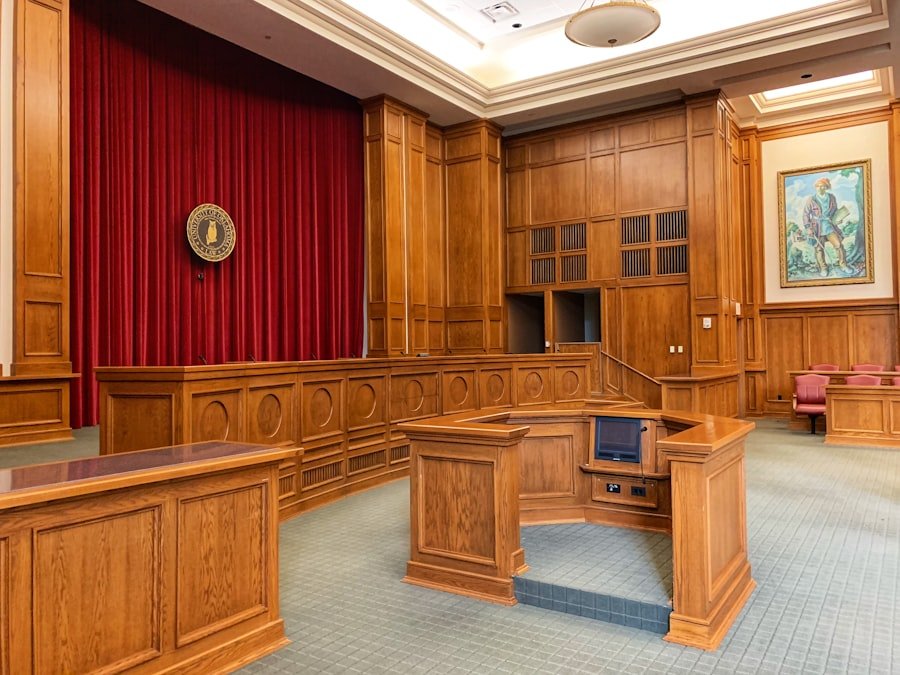
Navigating a defamation case can be complex and challenging, making it imperative to seek legal counsel from an attorney who specializes in defamation law. When searching for the right attorney, consider their experience in handling similar cases and their understanding of the nuances involved in defamation claims. An attorney with a strong track record in this area will be familiar with the specific laws governing defamation in your jurisdiction and can provide valuable insights into the strengths and weaknesses of your case.
During your initial consultations with potential attorneys, ask about their approach to handling defamation cases. Some may prioritize negotiation and settlement, while others may be more inclined to pursue litigation aggressively. It’s essential to find an attorney whose strategy aligns with your goals and comfort level.
Additionally, consider their communication style and responsiveness; you want an attorney who will keep you informed throughout the process and address any concerns you may have. Establishing a strong attorney-client relationship is crucial for navigating the complexities of a defamation case effectively.
Responding to Defamation: Crafting a Strategic Response
| Metrics | Data |
|---|---|
| Defamatory Statements Identified | 25 |
| Legal Consultations | 3 |
| Media Responses Issued | 5 |
| Public Apologies Received | 2 |
Once you have identified defamatory statements and gathered evidence, crafting a strategic response is essential. This response should be carefully considered and tailored to the specific circumstances surrounding the defamation. In some cases, addressing the issue directly with the individual or entity responsible for the defamatory statements may be appropriate.
A well-worded cease-and-desist letter can serve as an effective means of communicating your intent to take action if the defamatory statements are not retracted or corrected. Alternatively, if direct communication is not feasible or has proven ineffective, public response may be necessary. This could involve issuing a public statement or utilizing social media platforms to clarify the truth and counteract the false information.
However, it is crucial to approach this step with caution; responding impulsively or aggressively can exacerbate the situation and lead to further reputational harm. A measured response that focuses on factual clarification rather than emotional reaction can help mitigate damage while preserving your credibility.
Filing a Lawsuit: Taking Legal Action Against the Defamer
If informal attempts to resolve the situation fail, filing a lawsuit may be necessary to seek justice for the harm caused by defamation. Before proceeding with legal action, it is essential to consult with your attorney to evaluate whether you have a strong case based on the evidence collected. In many jurisdictions, plaintiffs must prove that the statements made were false, damaging, and made with a certain level of fault—either negligence or actual malice—depending on whether they are a public figure or private individual.
The process of filing a lawsuit involves several steps, including drafting and submitting a complaint that outlines your claims against the defendant. This document will detail the defamatory statements made, how they have harmed you, and what relief you are seeking—whether it be monetary damages or injunctive relief to prevent further dissemination of false information. Once filed, the defendant will have an opportunity to respond, leading to potential discovery proceedings where both parties exchange evidence relevant to the case.
Understanding this process is crucial for managing expectations as you move forward with legal action.
Managing Public Perception: Protecting Your Reputation in the Public Eye

In addition to pursuing legal remedies for defamation, managing public perception is vital for protecting your reputation during this challenging time. The way you handle yourself publicly can significantly influence how others perceive you amidst allegations of defamation. Engaging with your audience through transparent communication can help mitigate misunderstandings and reinforce your credibility.
For instance, sharing your side of the story through interviews or social media posts can provide context that counters false narratives. Moreover, consider leveraging positive public relations strategies to rebuild your image. This could involve highlighting your achievements or contributions within your community or industry through press releases or social media campaigns.
By focusing on positive aspects of your character and work, you can gradually shift public attention away from the defamatory statements and reinforce your reputation as a trustworthy individual or business entity.
Navigating the Legal Process: What to Expect During a Defamation Case
The legal process surrounding a defamation case can be lengthy and intricate. After filing your lawsuit, both parties will engage in discovery—a phase where evidence is exchanged and depositions may occur. This stage allows both sides to gather information that could support their claims or defenses.
It’s essential to remain patient during this process; legal proceedings often take time due to court schedules and procedural requirements. As your case progresses, there may be opportunities for settlement discussions before reaching trial. Many defamation cases are resolved through negotiation rather than litigation due to the unpredictability of trial outcomes and associated costs.
Your attorney will guide you through these discussions and help you assess any settlement offers based on their merits compared to what you might achieve in court. Understanding what to expect during each phase of your case will help you navigate this challenging journey with greater confidence.
Moving Forward: Rebuilding Your Reputation After a Defamation Case
Regardless of the outcome of your defamation case, rebuilding your reputation afterward is crucial for moving forward positively. If you win your case and receive damages, consider using those resources strategically—whether investing in personal development or enhancing your professional skills—to demonstrate resilience and growth in light of adversity. Engaging in community service or charitable initiatives can also help reshape public perception by showcasing your commitment to positive contributions.
If you did not achieve a favorable outcome in court, it’s essential not to let this setback define you. Focus on personal growth and resilience by surrounding yourself with supportive individuals who understand your journey. Rebuilding trust takes time; therefore, consistently demonstrating integrity in both personal and professional interactions will gradually restore confidence in your character.
By taking proactive steps toward rebuilding your reputation, you can emerge from this experience stronger and more determined than ever before.
FAQs
What is defamation?
Defamation is the act of making false statements about someone that damages their reputation. It can be in the form of slander (spoken defamation) or libel (written defamation).
What should I do if I believe I am a victim of defamation?
If you believe you are a victim of defamation, it is important to gather evidence of the false statements made about you. You should also consider seeking legal advice to understand your options for addressing the situation.
What are the steps to take in handling a defamation case?
In handling a defamation case, it is important to gather evidence, such as screenshots or recordings of the false statements. You should also consider sending a cease and desist letter to the person making the false statements. If the situation escalates, you may need to consider taking legal action.
What are the potential outcomes of a defamation case?
If a defamation case goes to court and the plaintiff is successful, the defendant may be required to issue a retraction of the false statements and pay damages to the plaintiff. In some cases, the defendant may also be required to issue a public apology.
How can I protect my reputation in the face of defamation?
To protect your reputation in the face of defamation, it is important to gather evidence of the false statements and consider seeking legal advice. You may also want to consider issuing a public statement to address the false statements and set the record straight.