
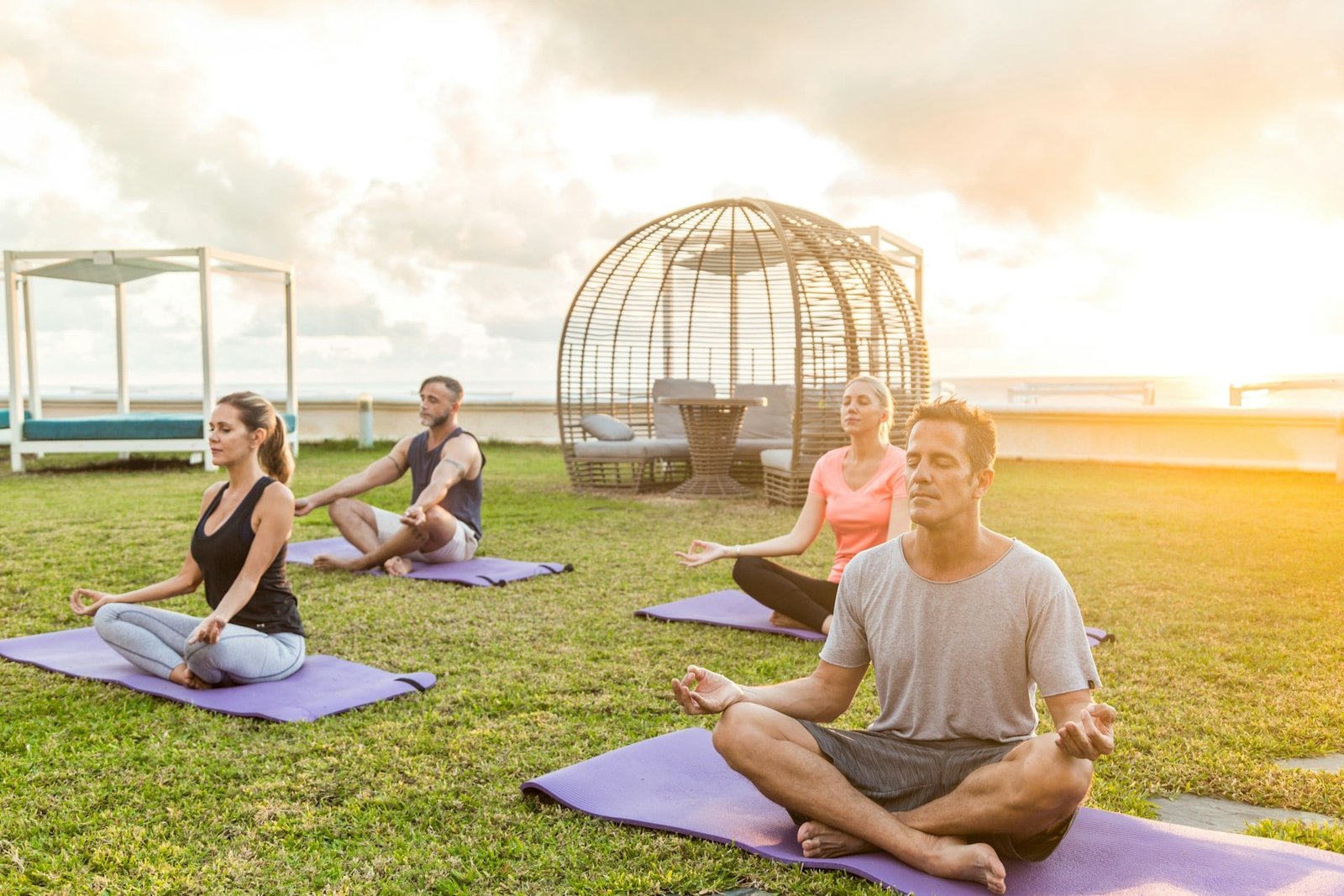
Meditation is an ancient practice that has transcended cultures and epochs, evolving into a multifaceted discipline embraced by millions worldwide. At its core, meditation involves focusing the mind to achieve a state of mental clarity, emotional stability, and heightened awareness. This practice can take many forms, from the stillness of Zen meditation to the dynamic movements of Tai Chi.
The fundamental principle remains the same: to cultivate a deeper connection with oneself and the present moment. By engaging in meditation, individuals often report reduced stress levels, improved concentration, and a greater sense of overall well-being. The physiological and psychological benefits of meditation are well-documented.
Research has shown that regular meditation can lead to changes in brain structure and function, particularly in areas associated with attention, emotion regulation, and self-awareness. For instance, studies utilizing neuroimaging techniques have revealed that long-term meditators exhibit increased gray matter density in the prefrontal cortex, a region linked to executive functions such as decision-making and impulse control. Furthermore, meditation has been shown to decrease levels of cortisol, the stress hormone, thereby promoting relaxation and resilience in the face of life’s challenges.
Creating a Comfortable Meditation Space
Establishing a dedicated space for meditation can significantly enhance the quality of your practice. A comfortable environment fosters a sense of safety and tranquility, allowing you to immerse yourself fully in the experience. When designing your meditation space, consider factors such as lighting, temperature, and noise levels.
Natural light can create a warm and inviting atmosphere, while soft lighting can help set a calming mood. Additionally, ensuring that the room is at a comfortable temperature will prevent distractions caused by discomfort. Incorporating elements that resonate with you personally can further enrich your meditation space.
This might include items such as cushions or mats for physical comfort, candles for ambiance, or even plants to bring a touch of nature indoors. The presence of soothing scents, such as essential oils or incense, can also enhance relaxation and focus. Ultimately, your meditation space should reflect your personal preferences and promote a sense of peace, making it easier to engage in your practice consistently.
Setting Realistic Meditation Goals

When embarking on a meditation journey, it is crucial to set realistic and achievable goals. Many newcomers may feel overwhelmed by the prospect of meditating for extended periods or achieving immediate results. Instead of aiming for perfection, consider starting with short sessions—perhaps just five to ten minutes each day—and gradually increasing the duration as you become more comfortable with the practice.
This incremental approach allows you to build confidence and establish a sustainable routine without feeling discouraged. Moreover, it is essential to define what you hope to achieve through meditation. Are you seeking stress relief, improved focus, or a deeper understanding of yourself?
By clarifying your intentions, you can tailor your practice to align with your personal aspirations. For instance, if your goal is to cultivate mindfulness, you might focus on techniques that emphasize present-moment awareness. Conversely, if you are looking to enhance emotional regulation, practices such as loving-kindness meditation may be more suitable.
Setting clear goals not only provides direction but also serves as motivation to continue your practice.
Finding the Right Meditation Technique
| Technique | Benefits | Duration |
|---|---|---|
| Mindfulness Meditation | Stress reduction, improved focus | 10-20 minutes |
| Transcendental Meditation | Reduced anxiety, improved creativity | 20 minutes, twice a day |
| Loving-Kindness Meditation | Increased compassion, reduced negative emotions | 15-30 minutes |
| Body Scan Meditation | Relaxation, improved body awareness | 20-45 minutes |
With a plethora of meditation techniques available, finding the one that resonates with you is essential for maintaining engagement and enthusiasm in your practice. Traditional methods such as mindfulness meditation involve observing thoughts and sensations without judgment, while transcendental meditation focuses on repeating a mantra to facilitate deep relaxation. Other techniques include guided visualization, body scan meditation, and loving-kindness meditation, each offering unique benefits and experiences.
Exploring different styles can be an enlightening journey in itself. For example, if you find solace in nature, you might gravitate towards walking meditation, which combines movement with mindfulness. Alternatively, if you prefer structure and guidance, guided meditations available through apps or online platforms can provide valuable support as you navigate your practice.
Experimenting with various techniques allows you to discover what resonates most deeply with you and can lead to a more fulfilling meditation experience.
Establishing a Consistent Meditation Schedule
Consistency is key when it comes to reaping the benefits of meditation. Establishing a regular schedule helps integrate the practice into your daily routine, making it easier to commit over time. Consider identifying specific times during the day when you are least likely to be interrupted—perhaps early in the morning or just before bedtime.
By designating these moments for meditation, you create a sacred space in your day dedicated solely to self-care and reflection. In addition to setting aside time for meditation, it can be helpful to create rituals that signal the beginning and end of your practice. This might involve lighting a candle or playing soft music before you begin or taking a few deep breaths to center yourself afterward.
Such rituals not only enhance the experience but also reinforce the habit by associating specific actions with your meditation practice. Over time, this consistency can lead to profound changes in your mental and emotional landscape.
Overcoming Common Meditation Challenges
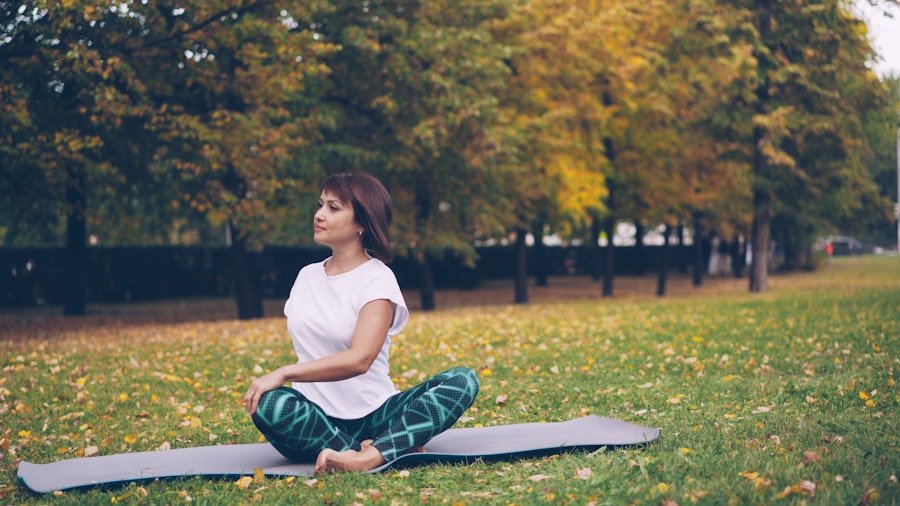
Despite its many benefits, meditation can present challenges that may deter individuals from maintaining their practice. One common obstacle is the wandering mind; it is natural for thoughts to arise during meditation, often leading practitioners to feel frustrated or discouraged. Instead of viewing this as a failure, it is essential to recognize that wandering thoughts are part of the process.
Acknowledging them without judgment and gently guiding your focus back to your breath or chosen point of concentration is a skill that develops over time. Another challenge many face is finding the time or motivation to meditate regularly. Life’s demands can often overshadow personal wellness practices.
To combat this, consider integrating meditation into existing routines—such as practicing mindfulness while commuting or taking short breaks throughout the day for focused breathing exercises. By reframing how you view meditation—as an opportunity rather than an obligation—you may find it easier to prioritize this valuable practice amidst life’s busyness.
Incorporating Mindfulness into Daily Activities
Mindfulness extends beyond formal meditation sessions; it can be woven into the fabric of daily life through intentional awareness in everyday activities. Engaging fully in tasks such as eating, walking, or even washing dishes allows individuals to cultivate presence and appreciation for the moment at hand. For instance, during meals, take time to savor each bite—notice the flavors, textures, and aromas—rather than rushing through the experience mindlessly.
Practicing mindfulness in daily activities not only enhances overall well-being but also reinforces the skills developed during formal meditation sessions. By bringing awareness into mundane tasks, individuals can create moments of calm amidst chaos and develop a greater sense of connection with their surroundings. This integration fosters resilience and emotional balance while enriching everyday experiences with depth and meaning.
Tracking Progress and Celebrating Success
Monitoring progress in your meditation journey can provide valuable insights into your growth and development over time. Keeping a journal can be an effective way to document your experiences—note how you feel before and after each session, any challenges encountered, and insights gained during practice. This reflective process not only helps track progress but also encourages self-awareness and accountability.
Celebrating milestones along the way is equally important; acknowledging achievements—no matter how small—can boost motivation and reinforce commitment to your practice. Whether it’s reaching a certain number of consecutive days meditated or experiencing a breakthrough in emotional regulation, taking time to celebrate these successes fosters a positive mindset towards continued growth. By recognizing both progress and challenges as integral parts of the journey, individuals can cultivate resilience and deepen their commitment to their meditation practice over time.
FAQs
What is meditation?
Meditation is a practice that involves focusing the mind and eliminating the stream of jumbled thoughts that may be crowding your mind and causing stress. It is a way to train the mind to be more present and aware.
What are the benefits of a daily meditation practice?
A daily meditation practice can lead to reduced stress, improved concentration, increased self-awareness, and a sense of inner peace. It can also help with managing anxiety, promoting emotional health, and enhancing self-awareness.
How can I start a daily meditation practice with zero time?
You can start a daily meditation practice with zero time by incorporating short meditation sessions into your daily routine, such as during your commute, before bed, or during a break at work. Even just a few minutes of meditation can make a difference.
What are some tips for starting a daily meditation practice?
Some tips for starting a daily meditation practice include finding a quiet space, setting a regular time for meditation, starting with short sessions, focusing on your breath or a mantra, and being patient with yourself as you develop your practice.
Do I need any special equipment to start a daily meditation practice?
You do not need any special equipment to start a daily meditation practice. However, some people find it helpful to use a cushion or mat for comfort, or to use a timer or meditation app to help keep track of time.