
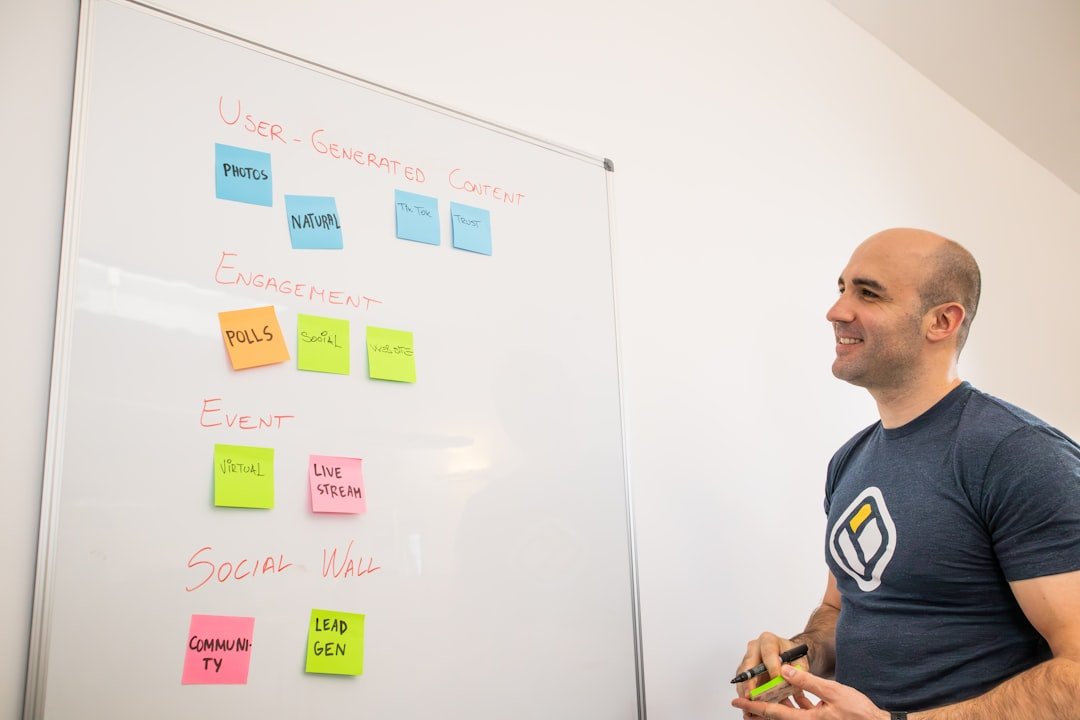
The Lean Startup methodology, pioneered by Eric Ries, is a systematic approach to developing businesses and products that emphasizes rapid iteration, validated learning, and customer feedback. At its core, this methodology seeks to eliminate waste in the product development process by focusing on what customers truly want rather than what entrepreneurs assume they need. This approach is particularly beneficial in today’s fast-paced business environment, where traditional methods of product development can lead to significant resource expenditure without guaranteed success.
By adopting Lean Startup principles, entrepreneurs can create a more agile framework that allows for quick pivots based on real-world data. One of the fundamental concepts of Lean Startup is the Build-Measure-Learn feedback loop. This cycle encourages startups to build a minimum viable product (MVP), measure its performance in the market, and learn from the results to inform future iterations.
This iterative process not only helps in refining the product but also in understanding the market dynamics and customer preferences. By continuously engaging with customers and adapting based on their feedback, startups can significantly increase their chances of success while minimizing the risk of failure. The Lean Startup methodology thus serves as a powerful tool for entrepreneurs looking to navigate the uncertainties of launching new ventures.
Identifying Your Target Market
Identifying your target market is a critical step in the entrepreneurial journey, as it lays the foundation for all subsequent marketing and product development efforts. A well-defined target market allows businesses to tailor their offerings to meet specific customer needs, thereby increasing the likelihood of adoption and satisfaction. To effectively identify your target market, it is essential to conduct thorough market research that encompasses demographic, psychographic, and behavioral factors.
Demographics include age, gender, income level, education, and geographic location, while psychographics delve into lifestyle choices, values, interests, and motivations. For instance, a startup developing a new fitness app might identify its target market as health-conscious individuals aged 18-35 who are tech-savvy and actively seek ways to improve their physical well-being. By understanding this demographic profile, the startup can tailor its marketing messages and product features to resonate with this audience.
Additionally, segmenting the market further into niches—such as young professionals, college students, or stay-at-home parents—can provide even more precise insights into customer preferences and behaviors. This level of granularity enables businesses to create targeted marketing campaigns that speak directly to the needs and desires of their ideal customers.
Creating Minimum Viable Product (MVP)
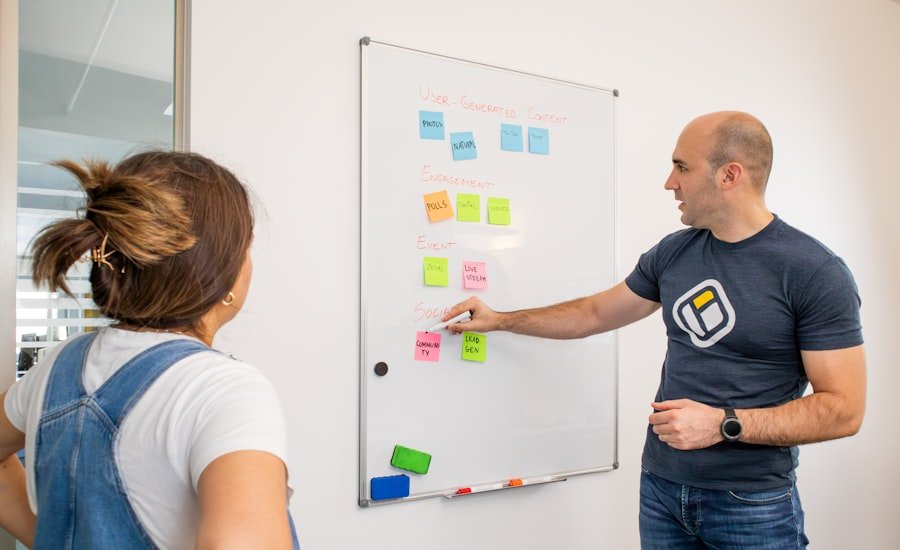
The concept of a Minimum Viable Product (MVP) is central to the Lean Startup methodology. An MVP is a simplified version of a product that includes only the essential features necessary to satisfy early adopters and gather valuable feedback for future development. The goal of an MVP is not to launch a perfect product but rather to test hypotheses about customer needs and preferences with minimal investment.
By focusing on core functionalities, startups can quickly enter the market and begin learning from real user interactions. For example, consider a company aiming to develop a new social media platform. Instead of building a fully-featured application with complex algorithms and extensive user interfaces, the startup might launch a basic version that allows users to create profiles and post updates.
This stripped-down version enables the team to gauge user interest and engagement without incurring significant costs. As users interact with the MVP, the startup can collect data on usage patterns and preferences, which will inform subsequent iterations of the product. This approach not only accelerates time-to-market but also reduces the risk of developing features that may not resonate with users.
Conducting Customer Interviews and Surveys
| Metrics | Customer Interviews | Surveys |
|---|---|---|
| Number of participants | 20 | 500 |
| Response rate | 90% | 70% |
| Key insights gathered | Customer pain points, preferences | Customer satisfaction, feedback |
| Time taken | 2 weeks | 1 month |
Once an MVP is launched, conducting customer interviews and surveys becomes crucial for gathering qualitative and quantitative insights about user experiences. Engaging directly with customers allows entrepreneurs to delve deeper into their motivations, pain points, and overall satisfaction with the product. Interviews can be structured or unstructured, depending on the depth of information sought.
Open-ended questions often yield richer insights as they encourage participants to share their thoughts freely. Surveys complement interviews by providing a broader quantitative perspective on customer opinions. By distributing surveys to a larger audience, startups can gather data on user demographics, feature preferences, and overall satisfaction levels.
For instance, after launching an MVP for a meal delivery service, a startup might conduct interviews with early users to understand their ordering experience while simultaneously sending out surveys to gauge interest in additional menu options or delivery times. The combination of qualitative insights from interviews and quantitative data from surveys creates a comprehensive understanding of customer needs that can guide future product development.
Analyzing Customer Feedback
Analyzing customer feedback is an essential step in refining a product based on real-world usage and preferences. Once feedback is collected through interviews and surveys, it must be systematically reviewed to identify patterns and trends that can inform decision-making. This analysis can involve categorizing feedback into themes such as usability issues, feature requests, or overall satisfaction levels.
By organizing feedback in this manner, startups can prioritize areas for improvement based on customer input. For example, if multiple users express frustration with a specific feature of an app—such as difficulty navigating through menus—this feedback should be prioritized for immediate attention. Conversely, if users suggest additional features that could enhance their experience but do not express dissatisfaction with existing functionalities, these suggestions can be considered for future iterations rather than immediate changes.
By employing tools such as affinity diagrams or sentiment analysis software, startups can gain deeper insights into customer sentiments and make informed decisions about product enhancements.
Iterating and Improving Your Product
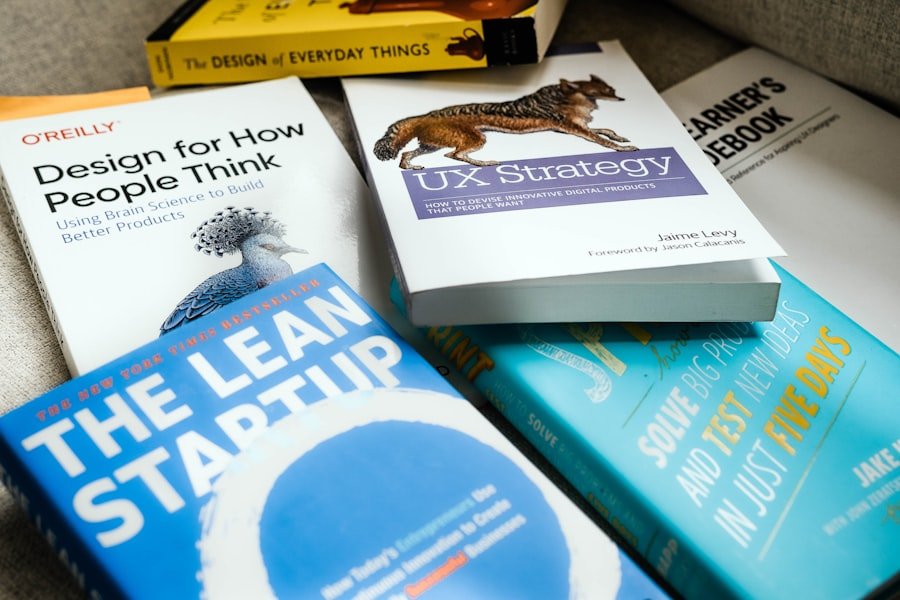
The iterative process is at the heart of the Lean Startup methodology, allowing businesses to continuously refine their products based on customer feedback and market dynamics. After analyzing customer insights, startups should prioritize changes that align with user needs while also considering technical feasibility and resource constraints. This iterative approach fosters a culture of experimentation where teams are encouraged to test new ideas and features without fear of failure.
For instance, if feedback indicates that users find a particular feature confusing or cumbersome, the startup might experiment with different design layouts or user flows to enhance usability. A/B testing can be employed during this phase to compare variations of features or interfaces among different user groups. By measuring engagement metrics such as click-through rates or time spent on specific tasks, startups can determine which iteration resonates best with users.
This cycle of iteration not only improves the product but also builds a stronger connection between the business and its customers as they see their feedback being actively incorporated.
Testing Your Business Idea in the Market
Testing your business idea in the market involves validating assumptions about customer demand and willingness to pay for your product or service. This phase often includes launching pilot programs or beta tests that allow startups to gauge interest before committing significant resources to full-scale production. By introducing the product to a limited audience, entrepreneurs can observe real-world interactions and gather critical data on user behavior.
For example, a startup developing an eco-friendly cleaning product might conduct a pilot test in select neighborhoods or through online platforms targeting environmentally conscious consumers. During this phase, they can assess not only sales figures but also customer feedback regarding product effectiveness and packaging design. The insights gained from these tests are invaluable for refining marketing strategies and ensuring that the final product aligns with market expectations before a broader launch.
Scaling Your Business Idea
Once a business idea has been validated through testing and iteration, the next step is scaling it effectively. Scaling involves expanding operations to reach a larger audience while maintaining quality and customer satisfaction. This phase requires careful planning around production capacity, distribution channels, marketing strategies, and customer support systems.
Startups must ensure that they have the infrastructure in place to handle increased demand without compromising on service quality. For instance, if a subscription-based meal kit service has successfully validated its concept in a local market, scaling might involve expanding delivery areas or increasing partnerships with local farms for ingredient sourcing. Additionally, leveraging technology such as automated inventory management systems can streamline operations as demand grows.
It’s also crucial during this phase to continue engaging with customers through feedback loops; scaling should not mean losing touch with user needs or preferences. By maintaining an agile mindset even during growth phases, startups can adapt quickly to changing market conditions and continue delivering value to their customers. In conclusion, navigating the complexities of launching a new business requires a strategic approach grounded in understanding customer needs and iterative development processes.
The Lean Startup methodology provides entrepreneurs with a framework for minimizing risk while maximizing learning opportunities through direct engagement with their target market. By following these principles—from identifying target markets to scaling successful ideas—startups can position themselves for sustainable growth in an ever-evolving business landscape.
FAQs
What is the Lean Startup Methodology?
The Lean Startup Methodology is a business approach that focuses on creating and managing startups in a more efficient and cost-effective way. It emphasizes the importance of validating business ideas quickly and efficiently.
How does the Lean Startup Methodology work?
The Lean Startup Methodology works by using a build-measure-learn feedback loop. This involves creating a minimum viable product (MVP), measuring its performance, and learning from the data to make informed decisions about the next steps for the business idea.
Why is it important to validate business ideas quickly?
Validating business ideas quickly is important because it helps entrepreneurs avoid wasting time and resources on ideas that may not be viable. It also allows for faster iteration and improvement of the business concept based on real market feedback.
What are the key principles of the Lean Startup Methodology?
The key principles of the Lean Startup Methodology include building a minimum viable product, measuring key metrics, learning from the data, and iterating based on the feedback received.
How can the Lean Startup Methodology help entrepreneurs validate business ideas?
The Lean Startup Methodology helps entrepreneurs validate business ideas by providing a systematic approach to testing and iterating on ideas quickly. It encourages the use of MVPs to gather real market feedback and make data-driven decisions.