
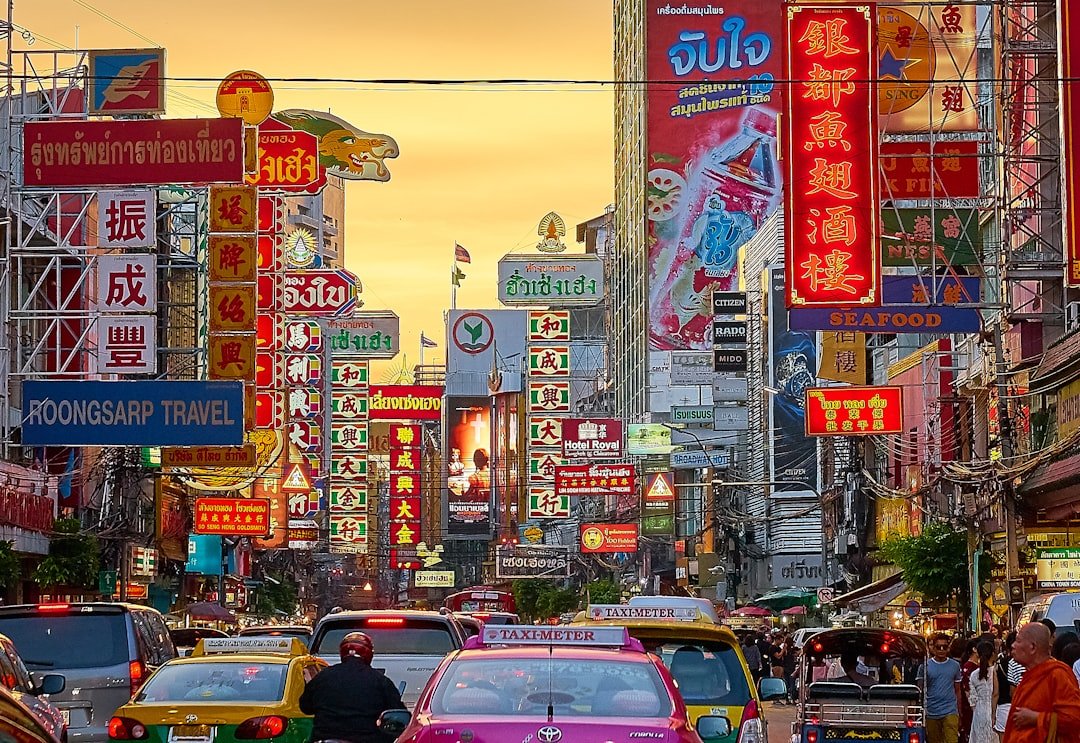
Thailand, often referred to as the “Land of Smiles,” is a vibrant tapestry woven from a multitude of cultural threads. This Southeast Asian nation is home to over 70 million people, each contributing to a rich mosaic of traditions, languages, and customs. The cultural diversity in Thailand is not merely a backdrop; it is an integral part of the national identity, shaped by centuries of history, migration, and interaction with neighboring countries.
The Thai people are predominantly Buddhist, but the country also embraces a variety of ethnic groups, including the Karen, Hmong, and Lahu, each with their own unique customs and languages. This blend of influences creates a dynamic cultural landscape that is both fascinating and inviting. The capital city, Bangkok, serves as a microcosm of this diversity.
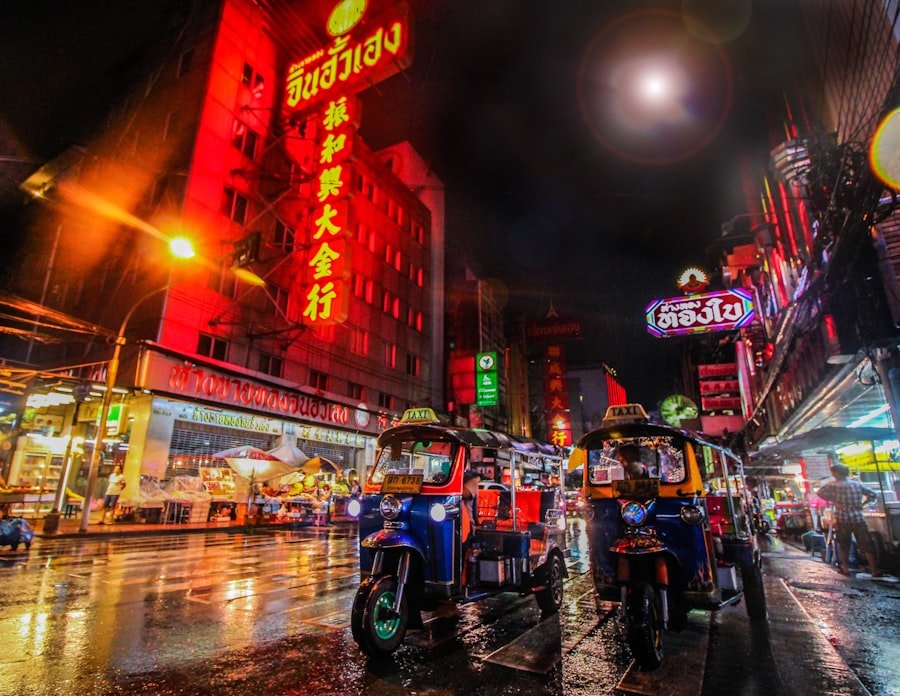
Here, modern skyscrapers coexist with ancient temples, and street vendors offer a fusion of culinary delights that reflect the country’s regional variations. Festivals such as Songkran, the Thai New Year celebrated with water fights, and Loy Krathong, where floating lanterns are released into rivers, showcase the rich traditions that are deeply rooted in the Thai way of life. Visitors to Thailand are often struck by the warmth and hospitality of its people, who take pride in sharing their culture with others.
This cultural richness not only enhances the travel experience but also fosters a deeper understanding of the complexities that define Thailand.
Exploring Thailand’s Natural Wonders
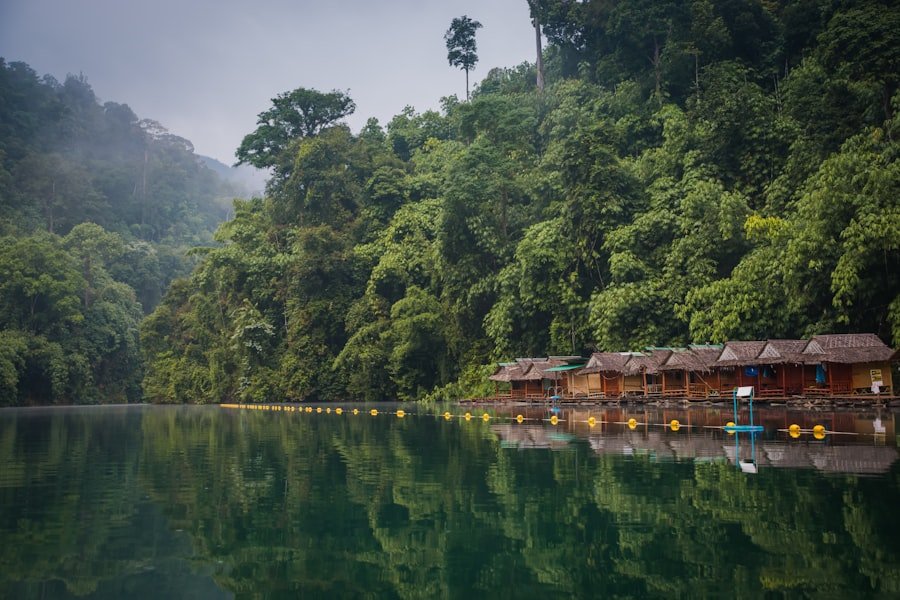
Thailand’s natural beauty is as diverse as its culture, offering a stunning array of landscapes that range from lush jungles to serene beaches. The country is home to numerous national parks, each showcasing unique ecosystems and wildlife. For instance, Khao Sok National Park in southern Thailand is renowned for its ancient rainforests and limestone cliffs.
Visitors can embark on guided treks through the dense foliage, where they may encounter exotic flora and fauna, including gibbons and hornbills. The park also features Cheow Lan Lake, a breathtaking body of water surrounded by towering karst formations, providing opportunities for kayaking and wildlife spotting. In contrast, the northern region of Thailand boasts the majestic mountains of Chiang Mai and Pai.
These areas are not only known for their scenic vistas but also for their rich biodiversity. Doi Inthanon National Park, home to Thailand’s highest peak, offers hiking trails that lead to stunning waterfalls and panoramic views. The cooler climate in this region supports a variety of plant species not found elsewhere in the country.
Additionally, the northern hills are dotted with ethnic minority villages where visitors can learn about traditional agricultural practices and sustainable living. The natural wonders of Thailand are not just visually stunning; they also provide a vital habitat for countless species and play a crucial role in the country’s ecological balance.
Relaxing on Thailand’s Beautiful Beaches
Thailand’s coastline is famous for its breathtaking beaches that attract millions of tourists each year. From the bustling shores of Pattaya to the tranquil sands of Koh Lipe, each beach offers its own unique charm and atmosphere. The islands in the Andaman Sea, such as Phuket and Koh Phi Phi, are particularly renowned for their crystal-clear waters and vibrant marine life.
Snorkeling and diving enthusiasts flock to these areas to explore coral reefs teeming with colorful fish and other marine creatures. The iconic Maya Bay on Koh Phi Phi Leh gained international fame after being featured in the film “The Beach,” drawing visitors eager to experience its stunning beauty. On the other hand, the Gulf of Thailand presents a different kind of allure with its palm-fringed beaches and laid-back vibe.
Koh Samui is one of the most popular destinations in this region, offering a mix of luxury resorts and rustic beach bungalows. Visitors can unwind on Chaweng Beach or explore the quieter shores of Lamai Beach. The island’s natural beauty is complemented by its vibrant nightlife and delicious seafood cuisine.
For those seeking solitude, Koh Tao provides an idyllic escape with its secluded beaches and relaxed atmosphere. Here, travelers can enjoy sunbathing or partake in yoga retreats while surrounded by nature’s tranquility.
Discovering the Rich History of Thailand
| Period | Event | Significance |
|---|---|---|
| Ancient Times | Formation of early Thai kingdoms | Establishment of Thai culture and traditions |
| 13th-14th century | Kingdom of Sukhothai | Birth of Thai nation and language |
| 16th century | Ayutthaya Kingdom | Golden age of Thai art and trade |
| 19th century | Chakri Dynasty | Modernization and diplomatic relations |
| 20th century | World War II and post-war era | Political changes and economic development |
Thailand’s history is a fascinating journey through time, marked by the rise and fall of powerful kingdoms and significant cultural exchanges. The ancient city of Ayutthaya, once the capital of the Kingdom of Siam, stands as a testament to this rich heritage. Founded in 1350, Ayutthaya flourished for over 400 years before being destroyed by Burmese invaders in 1767.
Today, visitors can explore the UNESCO World Heritage Site’s impressive ruins, which include towering prang (reliquary towers) and intricate Buddha statues that reflect the architectural brilliance of the time. Another historical gem is Sukhothai, often regarded as the cradle of Thai civilization. The Sukhothai Historical Park features well-preserved ruins from the 13th century, showcasing the early development of Thai art and architecture.
The park’s serene atmosphere allows visitors to wander among ancient temples such as Wat Mahathat and Wat Si Chum, where they can admire the iconic seated Buddha statue that embodies the spiritual essence of this period. These historical sites not only provide insight into Thailand’s past but also highlight the enduring legacy of its cultural achievements.
Experiencing Thai Cuisine and Local Traditions
Thai cuisine is celebrated worldwide for its bold flavors and aromatic ingredients, making it an essential aspect of any visit to Thailand. The culinary landscape is incredibly diverse, reflecting regional variations influenced by local produce and cultural practices. In Bangkok, street food stalls serve up an array of dishes such as Pad Thai, Som Tum (green papaya salad), and Tom Yum Goong (spicy shrimp soup).
Each dish tells a story through its ingredients and preparation methods, often passed down through generations. In northern Thailand, dishes like Khao Soi—a creamy coconut curry noodle soup—showcase the region’s unique flavors influenced by Burmese cuisine. Meanwhile, southern Thailand is known for its spicy seafood dishes that incorporate fresh herbs and spices like turmeric and lemongrass.
Food markets across the country offer an immersive experience where visitors can sample local delicacies while engaging with friendly vendors eager to share their culinary secrets. Beyond food, local traditions such as traditional dance performances during festivals or ceremonies provide insight into Thailand’s cultural richness.
Engaging in Adventure Activities in Thailand
For those seeking thrills beyond relaxation on pristine beaches or exploring historical sites, Thailand offers an abundance of adventure activities that cater to adrenaline junkies and nature lovers alike. The northern region is particularly popular for trekking through lush jungles and mountainous terrain. Guided treks often lead travelers through remote villages where they can experience local culture firsthand while enjoying breathtaking views along the way.
Water sports are another highlight for adventure seekers in Thailand. The islands offer opportunities for kayaking through mangroves or rock climbing on limestone cliffs in places like Railay Beach. Scuba diving enthusiasts can explore some of the world’s most vibrant coral reefs in locations such as Koh Tao or Similan Islands National Park.
Additionally, activities like zip-lining through rainforests or white-water rafting on rivers provide exhilarating experiences that showcase Thailand’s natural beauty from unique perspectives.
Understanding Thailand’s Spiritual and Religious Practices
Spirituality plays a significant role in Thai culture, deeply intertwined with daily life and societal values. Buddhism is the predominant religion in Thailand, influencing everything from art to architecture to social customs. Temples (wats) are ubiquitous throughout the country, serving as places of worship as well as community gathering spots.
Visitors often find themselves captivated by the intricate designs of these sacred spaces—such as Wat Pho with its reclining Buddha or Wat Arun with its stunning riverside location. In addition to Buddhism, animism and folk beliefs coexist within Thai spirituality. Many Thais pay homage to spirits through rituals involving spirit houses placed outside homes or businesses to invite good fortune and protection.
Festivals like Visakha Bucha celebrate important events in Buddha’s life while showcasing traditional practices such as candlelit processions at temples. Engaging with these spiritual practices offers travelers a deeper understanding of how faith shapes everyday life in Thailand.
Tips for Planning a Memorable Trip to Thailand
Planning a trip to Thailand requires careful consideration to ensure an enriching experience that captures the essence of this diverse nation. First and foremost, travelers should research the best time to visit based on their interests—whether it’s enjoying beach weather during peak season or exploring cultural festivals during off-peak months when crowds are thinner. Understanding regional climates can help optimize travel itineraries.
Accommodations range from luxury resorts to budget hostels; thus, selecting lodging that aligns with personal preferences is essential for comfort during your stay. Additionally, learning basic Thai phrases can enhance interactions with locals who appreciate efforts to communicate in their language. Lastly, embracing local customs—such as dressing modestly when visiting temples or removing shoes before entering homes—will foster respect for Thai culture while enriching your travel experience.
Thailand offers an unparalleled journey through its cultural diversity, natural wonders, historical richness, culinary delights, adventure opportunities, spiritual practices, and warm hospitality. Each aspect invites exploration and engagement that leaves lasting memories for travelers seeking both relaxation and adventure in this enchanting land.
FAQs
What makes Thailand a perfect mix of culture, nature, and beaches?
Thailand offers a rich cultural heritage with its ancient temples, traditional festivals, and vibrant arts and crafts. The country is also home to diverse natural landscapes, including lush jungles, scenic mountains, and stunning waterfalls. Additionally, Thailand boasts some of the world’s most beautiful beaches, with crystal-clear waters and white sandy shores.
What are some examples of Thailand’s cultural attractions?
Thailand is known for its iconic landmarks such as the Grand Palace and Wat Pho in Bangkok, as well as the ancient city of Ayutthaya. The country also hosts numerous traditional festivals and events, such as Songkran (Thai New Year) and Loy Krathong (Festival of Lights).
What natural attractions can be found in Thailand?
Thailand is home to several national parks and wildlife reserves, including Khao Sok National Park and Doi Inthanon National Park. Visitors can explore diverse ecosystems, encounter exotic wildlife, and marvel at breathtaking natural wonders such as limestone cliffs and emerald-green lakes.
What are some popular beach destinations in Thailand?
Thailand is famous for its picturesque islands and beaches, such as Phuket, Koh Samui, and Krabi. These destinations offer a perfect blend of relaxation, water activities, and stunning sunsets, making them ideal for beach lovers and adventure seekers alike.