
Tankless water heaters, also known as on-demand water heaters, have gained significant popularity in recent years as an efficient alternative to traditional storage tank water heaters. Unlike conventional systems that store a large volume of hot water, tankless models heat water directly as it flows through the unit. This innovative approach not only eliminates the need for a bulky storage tank but also provides a continuous supply of hot water, making it an appealing choice for many households.
The technology behind tankless water heaters has evolved considerably, leading to improved performance, energy efficiency, and user satisfaction. The fundamental operation of a tankless water heater involves the use of powerful heating elements or burners that activate when a hot water tap is opened. As cold water travels through the unit, it is heated instantaneously, delivering hot water on demand.
This system is particularly advantageous for households with high hot water demands, such as those with multiple bathrooms or large families. The compact design of tankless units allows for flexible installation options, whether mounted on a wall or placed in smaller spaces, making them suitable for various home layouts.
Energy Efficiency of Tankless Water Heaters
One of the most compelling advantages of tankless water heaters is their energy efficiency. Traditional water heaters continuously heat and reheat stored water to maintain a set temperature, which can lead to significant energy waste. In contrast, tankless systems only consume energy when hot water is needed.
According to the U.S. Department of Energy, tankless water heaters can be 24% to 34% more energy-efficient than conventional models for homes that use 41 gallons or less of hot water daily. For larger households with higher hot water usage, the efficiency gains can still be substantial, ranging from 8% to 14%.
The efficiency of tankless water heaters is largely attributed to their design and operation. By eliminating standby heat loss—the energy wasted when hot water sits unused in a tank—these systems provide a more sustainable solution for heating water. Additionally, many modern tankless units are equipped with advanced technology such as modulating burners and electronic controls that optimize energy use based on demand.
This means that not only do homeowners save on energy bills, but they also contribute to a reduction in overall energy consumption, which is increasingly important in today’s environmentally conscious society.
Cost Savings of Installing a Tankless Water Heater
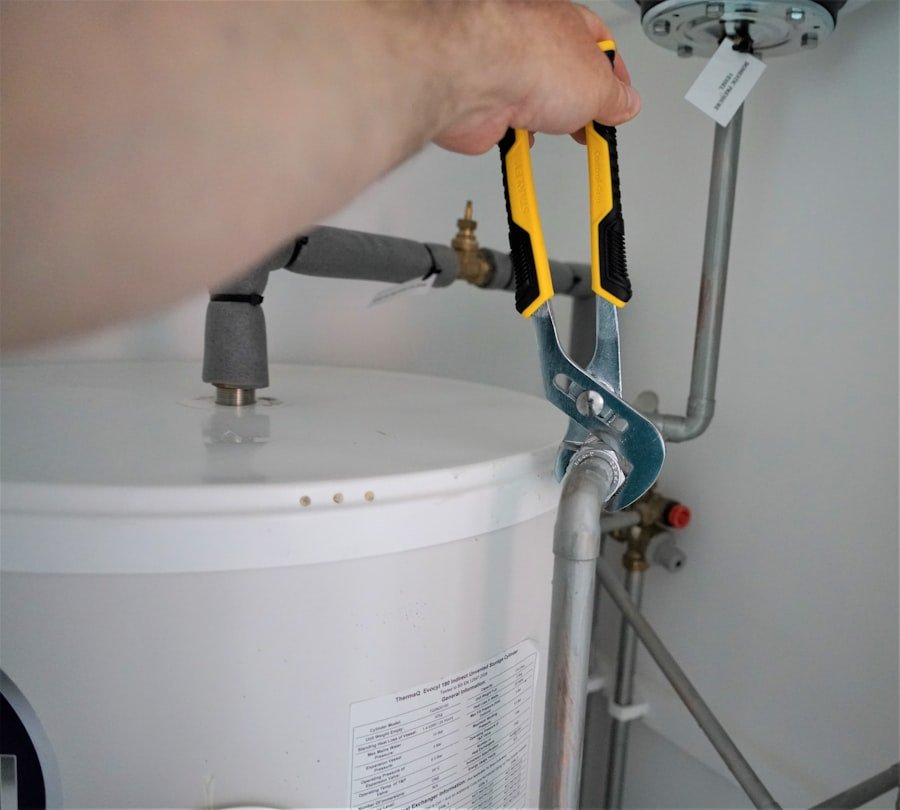
While the initial investment for a tankless water heater can be higher than that of a traditional tank model, the long-term cost savings often justify the expense. Homeowners can expect to see a reduction in their monthly utility bills due to the increased energy efficiency of these systems. The U.S. Department of Energy estimates that homeowners can save between $100 and $200 annually on energy costs by switching to a tankless system. Over time, these savings can offset the higher upfront costs associated with purchasing and installing a tankless unit. Moreover, the longevity of tankless water heaters contributes to their cost-effectiveness. On average, a tankless system can last up to 20 years or more with proper maintenance, compared to the 10 to 15 years typical for traditional tanks. This extended lifespan means fewer replacements and lower overall costs over time. Additionally, many manufacturers offer warranties that cover parts and labor for several years, providing further peace of mind for homeowners making this investment.
Environmental Benefits of Tankless Water Heaters
The environmental impact of our choices in home appliances cannot be overstated, and tankless water heaters present several benefits in this regard. By consuming less energy than traditional models, they contribute to lower greenhouse gas emissions. The U.S. Environmental Protection Agency (EPA) recognizes the importance of energy-efficient appliances in reducing carbon footprints and combating climate change. By opting for a tankless system, homeowners are not only saving money but also playing a role in promoting sustainability. Furthermore, many tankless water heaters are designed to be more environmentally friendly in their manufacturing processes and materials. Some models utilize eco-friendly refrigerants and are built with recyclable components, reducing their overall environmental impact from production to disposal. As consumers become increasingly aware of their ecological footprint, choosing a tankless water heater aligns with a commitment to sustainability and responsible resource management.
Longevity and Durability of Tankless Water Heaters
Durability is another hallmark of tankless water heaters that appeals to homeowners seeking long-term solutions for their hot water needs. The absence of a storage tank reduces the risk of leaks and corrosion, which are common issues with traditional systems. Instead, tankless units are typically constructed from high-quality materials designed to withstand the rigors of continuous operation.
Many models feature stainless steel or copper heat exchangers that resist corrosion and enhance longevity. Regular maintenance can further extend the life of a tankless water heater. Simple tasks such as descaling the unit to remove mineral buildup can prevent performance issues and prolong its operational lifespan.
Homeowners who invest in routine maintenance can expect their tankless systems to function efficiently for two decades or more, making them a reliable choice for those looking for durability in their home appliances.
Space-Saving Benefits of Tankless Water Heaters
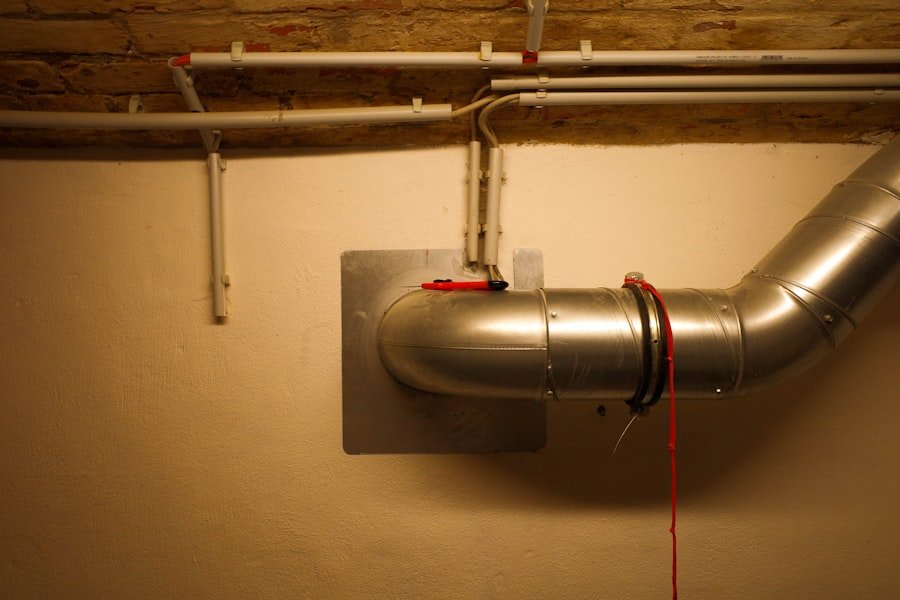
In an era where space is often at a premium, the compact design of tankless water heaters offers significant advantages for homeowners. Traditional storage tanks require considerable floor space due to their size and the need for proper ventilation. In contrast, tankless units can be mounted on walls or installed in tight spaces such as closets or utility rooms, freeing up valuable square footage for other uses.
This space-saving feature is particularly beneficial for urban dwellers or those living in smaller homes where every inch counts. By eliminating the need for a bulky storage tank, homeowners can optimize their living areas while still enjoying the convenience of an endless supply of hot water. Additionally, the flexibility in installation locations allows for creative solutions in home design and renovation projects.
Convenience and Comfort of Tankless Water Heaters
The convenience offered by tankless water heaters cannot be overstated. With the ability to provide hot water on demand, these systems eliminate the frustration associated with running out of hot water during peak usage times—such as when multiple showers are taken simultaneously or when laundry is being done while someone is washing dishes. This continuous flow ensures that households can enjoy comfort without interruptions.
Moreover, many modern tankless units come equipped with advanced features such as digital temperature controls and Wi-Fi connectivity, allowing users to monitor and adjust settings remotely via smartphone apps. This level of control enhances user experience by providing convenience and ensuring that hot water is always available when needed. The combination of reliability and modern technology makes tankless water heaters an attractive option for those seeking both comfort and ease of use in their daily routines.
Conclusion and Considerations for Installing a Tankless Water Heater
When considering the installation of a tankless water heater, several factors should be taken into account to ensure that it meets the specific needs of your household. First and foremost is the assessment of hot water demand; understanding how much hot water your family uses daily will help determine the appropriate size and capacity of the unit required. Consulting with a professional plumber or HVAC technician can provide valuable insights into selecting the right model based on your household’s unique requirements.
Additionally, potential buyers should consider installation costs and any necessary modifications to existing plumbing or electrical systems. While some homeowners may opt for DIY installation, enlisting the help of professionals can ensure that the unit is installed correctly and operates efficiently from day one. Finally, researching different brands and models will help identify options that align with your budget while also providing the desired features and performance levels.
In summary, tankless water heaters offer numerous benefits ranging from energy efficiency and cost savings to environmental advantages and convenience. As technology continues to advance, these systems are becoming increasingly accessible and appealing to homeowners looking for reliable solutions for their hot water needs. By carefully evaluating your household’s requirements and considering all aspects of installation, you can make an informed decision that enhances both comfort and sustainability in your home.
FAQs
What is a tankless water heater?
A tankless water heater, also known as an on-demand water heater, is a system that heats water only when it is needed, rather than continuously heating and storing hot water in a tank.
How does a tankless water heater save energy?
Tankless water heaters save energy by only heating water when it is needed, eliminating the standby energy losses associated with traditional water heaters that continuously heat and store hot water in a tank.
What are the benefits of installing a tankless water heater for energy savings?
Installing a tankless water heater can result in significant energy savings, as it eliminates the energy losses associated with constantly heating and storing hot water in a tank. Additionally, tankless water heaters are more efficient and can reduce energy consumption and utility bills.
Are there any other benefits of installing a tankless water heater?
In addition to energy savings, tankless water heaters also provide a continuous supply of hot water, take up less space, have a longer lifespan, and reduce the risk of water damage from leaks or ruptures in a traditional water heater tank.
Are there any drawbacks to installing a tankless water heater?
While tankless water heaters offer many benefits, they can be more expensive to install initially and may require upgrades to a home’s electrical or gas systems. Additionally, they may have a lower flow rate compared to traditional water heaters, which could be a consideration for larger households.