
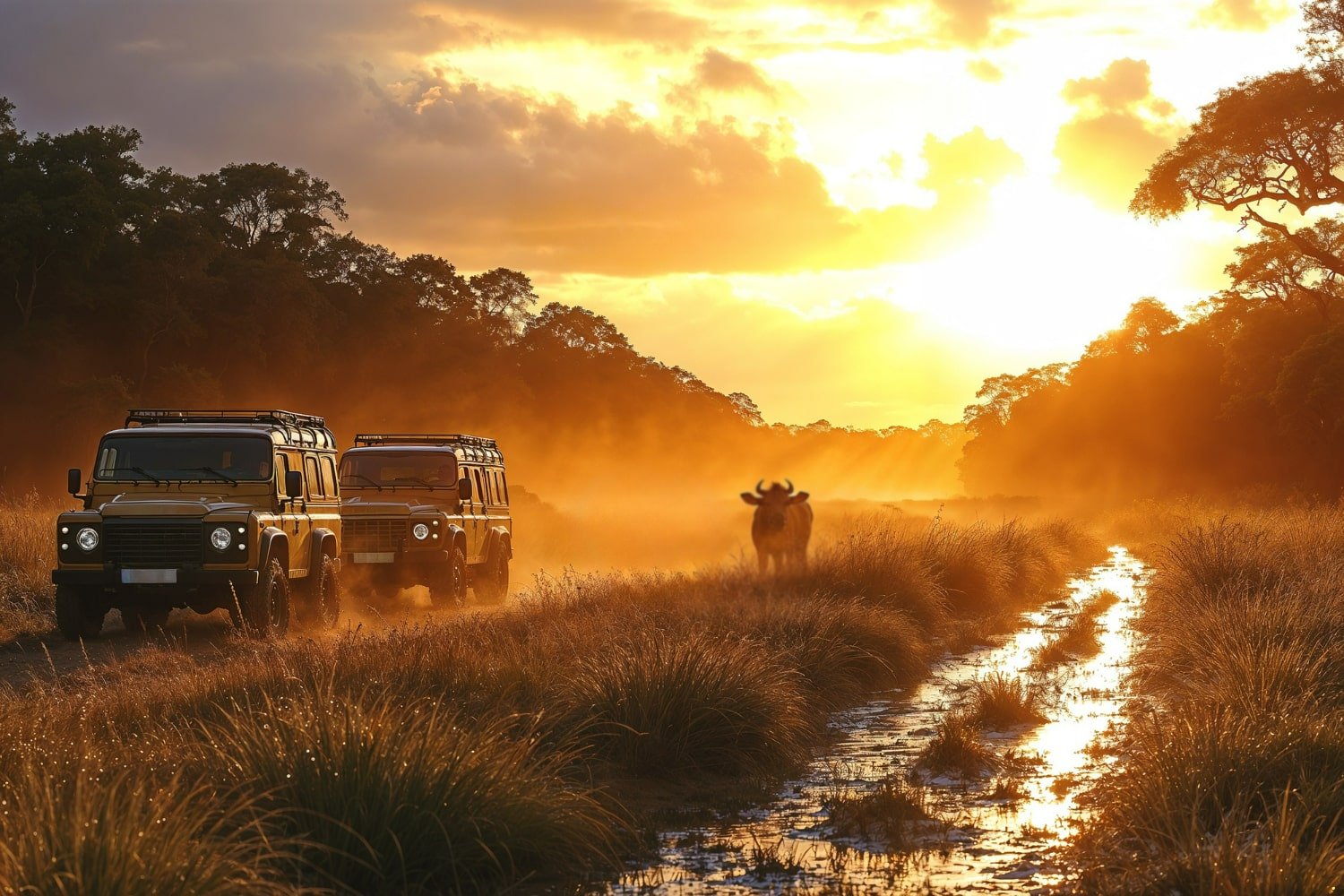
When planning a trip to South Africa, timing is crucial, especially if you want to experience both the thrill of a safari and the indulgence of wine tours. The ideal months for such an adventure typically fall between May and September, coinciding with the dry winter season. During this period, wildlife viewing is at its peak as animals congregate around water sources, making them easier to spot.
The vegetation is less dense, providing clearer visibility in the bush. This is particularly advantageous for photographers and wildlife enthusiasts who wish to capture the majestic beauty of the Big Five—lion, leopard, elephant, buffalo, and rhinoceros. Conversely, the wine regions of South Africa, particularly the Western Cape, are best enjoyed during the harvest season from February to April.
This is when vineyards are bustling with activity, and wine lovers can partake in tastings of freshly produced wines. The weather during these months is generally warm and dry, making it perfect for outdoor activities such as vineyard tours and picnics. Therefore, a well-planned itinerary could allow travelers to experience both the exhilarating wildlife of South Africa and its world-renowned wines by visiting during the transitional months of late summer into early autumn.
The Ideal Weather Conditions for Safari and Wine Tasting
The weather in South Africa varies significantly across its diverse regions, but certain conditions are universally favorable for both safari adventures and wine tasting. In the Kruger National Park and surrounding game reserves, daytime temperatures during the winter months hover around 20-25°C (68-77°F), while nights can be quite chilly, dropping to around 5-10°C (41-50°F). This temperature range is ideal for wildlife activity; animals are more likely to be active during the cooler parts of the day, making early morning and late afternoon game drives particularly rewarding.
In contrast, the Cape Winelands experience a Mediterranean climate characterized by warm, dry summers and mild, wet winters. The summer months from December to February see temperatures rise to about 30°C (86°F), which is perfect for enjoying outdoor tastings and vineyard picnics. However, visiting during the autumn months of March and April offers a unique experience as the vineyards transform into a tapestry of vibrant colors with the changing leaves.
The cooler temperatures during this time also make it comfortable for leisurely strolls through the vineyards and enjoying al fresco dining experiences paired with exquisite local wines.
Top Safari Destinations in South Africa

South Africa boasts an array of premier safari destinations that cater to different preferences and budgets. One of the most renowned is Kruger National Park, which spans nearly 20,000 square kilometers and is home to an impressive diversity of wildlife. Visitors can embark on self-drive safaris or guided tours led by experienced rangers who provide insights into animal behavior and ecology.
The park’s extensive road network allows for easy navigation, making it accessible for both seasoned travelers and first-time visitors. Another exceptional destination is Addo Elephant National Park, located near Port Elizabeth. This park is famous for its large elephant population and offers a unique opportunity to see these gentle giants in their natural habitat.
The park also features a variety of other wildlife, including lions, buffalo, and various antelope species. For those seeking a more luxurious experience, private game reserves such as Sabi Sand or Madikwe offer exclusive lodges with personalized service and guided safaris that often include gourmet dining experiences under the stars.
The Ultimate Wine Regions to Explore in South Africa
| Wine Region | Main Grape Varieties | Annual Visitors | Notable Wineries |
|---|---|---|---|
| Stellenbosch | Chenin Blanc, Cabernet Sauvignon, Pinotage | Over 300,000 | Kanonkop, Rust en Vrede, Delaire Graff |
| Franschhoek | Chardonnay, Sauvignon Blanc, Merlot | Around 200,000 | La Motte, Mullineux & Leeu Family Wines, Boekenhoutskloof |
| Paarl | Shiraz, Chenin Blanc, Pinotage | Approximately 150,000 | Backsberg, Fairview, Spice Route |
| Hemel-en-Aarde Valley | Pinot Noir, Chardonnay | Over 50,000 | Hamilton Russell Vineyards, Bouchard Finlayson, Creation Wines |
South Africa’s wine regions are as diverse as its landscapes, each offering unique varietals and experiences. The Stellenbosch region is perhaps the most famous, known for its picturesque vineyards set against a backdrop of majestic mountains. Here, visitors can explore historic wine estates such as Spier and Tokara, where they can sample award-winning wines while enjoying stunning views of the surrounding countryside.
Stellenbosch is also home to a vibrant culinary scene, with many restaurants offering farm-to-table dining experiences that pair perfectly with local wines. Another noteworthy region is Franschhoek, often referred to as the “food and wine capital” of South Africa. This charming village boasts a rich history dating back to French Huguenot settlers who brought their winemaking expertise to the area.
Visitors can indulge in wine tastings at renowned estates like La Motte and Boschendal while savoring gourmet meals crafted by world-class chefs. The Franschhoek Wine Tram offers a unique way to explore the region, allowing guests to hop on and off at various wineries while enjoying scenic views along the route.
Combining Safari and Wine Tours for the Ultimate South African Experience
The combination of safari adventures and wine tours creates a multifaceted travel experience that showcases South Africa’s rich biodiversity and cultural heritage. Many travelers opt for itineraries that begin with thrilling game drives in renowned national parks before transitioning to leisurely days spent exploring vineyards. This blend allows visitors to immerse themselves in the wild beauty of South Africa while also indulging in its culinary delights.
For instance, one could start their journey in Kruger National Park, where they can spend several days tracking wildlife and enjoying guided bush walks. Afterward, they might travel to the Cape Winelands, where they can unwind at luxurious accommodations surrounded by vineyards. This seamless transition from adventure to relaxation not only enhances the overall experience but also provides ample opportunities for photography, culinary exploration, and cultural immersion.
Tips for Planning the Perfect Safari and Wine Tour Itinerary

Crafting an itinerary that balances both safari experiences and wine tours requires careful consideration of travel logistics and personal preferences. One essential tip is to allocate sufficient time for each activity; a minimum of three days in a safari destination allows travelers to fully engage with wildlife viewing without feeling rushed. Similarly, spending two to three days in wine regions provides ample opportunity for tastings, vineyard tours, and culinary experiences.
Another important aspect is transportation; renting a car can offer flexibility when traveling between safari parks and wine regions. However, guided tours are also available that provide transportation along with expert insights into both wildlife and winemaking processes. Additionally, consider booking accommodations that reflect your interests—luxury lodges often provide exclusive safari experiences while boutique hotels in wine regions may offer personalized wine tastings or cooking classes.
The Benefits of Visiting South Africa for Safari and Wine Tours
Visiting South Africa for safari and wine tours presents numerous benefits that extend beyond mere sightseeing. One significant advantage is the opportunity to engage with local communities and learn about their cultures. Many wine estates offer tours led by local winemakers who share their stories and traditions, providing visitors with a deeper understanding of the region’s heritage.
Similarly, safari lodges often employ local guides who can share insights into indigenous cultures and conservation efforts. Moreover, South Africa’s commitment to sustainable tourism enhances the overall experience. Many game reserves prioritize conservation initiatives that protect wildlife habitats while promoting responsible tourism practices.
Wine estates are increasingly adopting eco-friendly practices as well, such as organic farming methods and water conservation techniques. By choosing to visit these destinations, travelers contribute to these efforts while enjoying unforgettable experiences in some of the world’s most beautiful landscapes.
Must-Try Activities and Experiences on a South African Safari and Wine Tour
A trip combining safari adventures with wine tasting offers an array of unique activities that cater to diverse interests. On safari, visitors can partake in guided bush walks that provide an intimate perspective on the ecosystem; these walks often include tracking animals and learning about medicinal plants used by local communities. Night drives are another thrilling option that allows guests to witness nocturnal wildlife in action under the stars.
In the wine regions, activities extend beyond traditional tastings; many estates offer blending workshops where participants can create their own custom wines under the guidance of expert winemakers. Culinary experiences such as cooking classes or food pairings enhance the appreciation of local cuisine alongside fine wines. Additionally, hot air balloon rides over vineyards provide breathtaking aerial views of the landscape while offering a unique perspective on this picturesque region.
By immersing oneself in both the wild beauty of South Africa’s game reserves and the rich flavors of its wine regions, travelers can create lasting memories that celebrate the country’s diverse offerings. Each experience contributes to a deeper understanding of South Africa’s natural wonders and cultural richness, making it an unforgettable destination for adventure seekers and wine enthusiasts alike.
FAQs
What is the best time to visit South Africa for safaris?
The best time to visit South Africa for safaris is during the dry season, which runs from May to September. During this time, the vegetation is less dense, making it easier to spot wildlife, and the animals gather around water sources, making them easier to find.
When is the best time to visit South Africa for wine tours?
The best time to visit South Africa for wine tours is during the harvest season, which typically takes place from February to April. During this time, the vineyards are bustling with activity, and visitors can participate in grape picking and wine-making activities.
What is the weather like in South Africa during the best time to visit for safaris and wine tours?
During the dry season, which is the best time to visit for safaris and wine tours, South Africa experiences mild temperatures and minimal rainfall. This makes it an ideal time for outdoor activities such as game drives and vineyard tours.
Are there any specific events or festivals to look out for during the best time to visit South Africa for safaris and wine tours?
During the dry season, South Africa hosts various events and festivals, including wine festivals and wildlife conservation events. Visitors can also participate in special safari experiences, such as night drives and walking safaris, during this time.