

Patagonia, a vast region shared by Argentina and Chile, is renowned for its breathtaking landscapes that captivate the hearts of travelers and nature enthusiasts alike. The area is characterized by its dramatic mountains, expansive glaciers, and pristine lakes, creating a tapestry of natural wonders that seem almost otherworldly. The Southern Patagonian Ice Field, one of the largest extrapolar ice fields in the world, is a striking feature that draws adventurers from around the globe.
Glaciers such as Perito Moreno and Grey are not only visually stunning but also serve as vital indicators of climate change, making them a focal point for environmental studies. The rugged terrain of Patagonia is home to some of the most iconic national parks, including Torres del Paine and Los Glaciares. Torres del Paine National Park, with its towering granite peaks and azure lakes, offers a plethora of hiking trails that range from leisurely walks to challenging treks.
The park’s diverse ecosystems support a variety of flora and fauna, making it a paradise for wildlife watchers. In contrast, Los Glaciares National Park is famous for its massive glaciers and the stunning turquoise waters of Lake Argentino. Visitors can embark on boat tours to witness the calving glaciers up close, an awe-inspiring spectacle that highlights the raw power of nature.
Vibrant Culture of Buenos Aires
Buenos Aires, the capital city of Argentina, is a vibrant metropolis that pulsates with life and culture. Known for its European-style architecture and rich artistic heritage, the city is a melting pot of influences that reflect its diverse history. The neighborhoods of San Telmo and La Boca are particularly famous for their colorful buildings and lively street art, showcasing the creativity and passion of local artists.
Tango, a dance that originated in the working-class neighborhoods of Buenos Aires, is an integral part of the city’s cultural identity. Visitors can immerse themselves in this passionate dance by attending tango shows or taking lessons in local milongas. The cultural scene in Buenos Aires extends beyond dance; it encompasses literature, theater, and music as well.
The city boasts numerous theaters, including the iconic Teatro Colón, which is renowned for its exceptional acoustics and stunning architecture. Literature lovers can explore the rich literary history of Buenos Aires by visiting the historic Café Tortoni or the El Ateneo Grand Splendid bookstore, housed in a former theater. The city’s vibrant nightlife also plays a significant role in its culture, with countless bars and clubs offering live music ranging from traditional folk to contemporary rock.
Rich History of Argentina
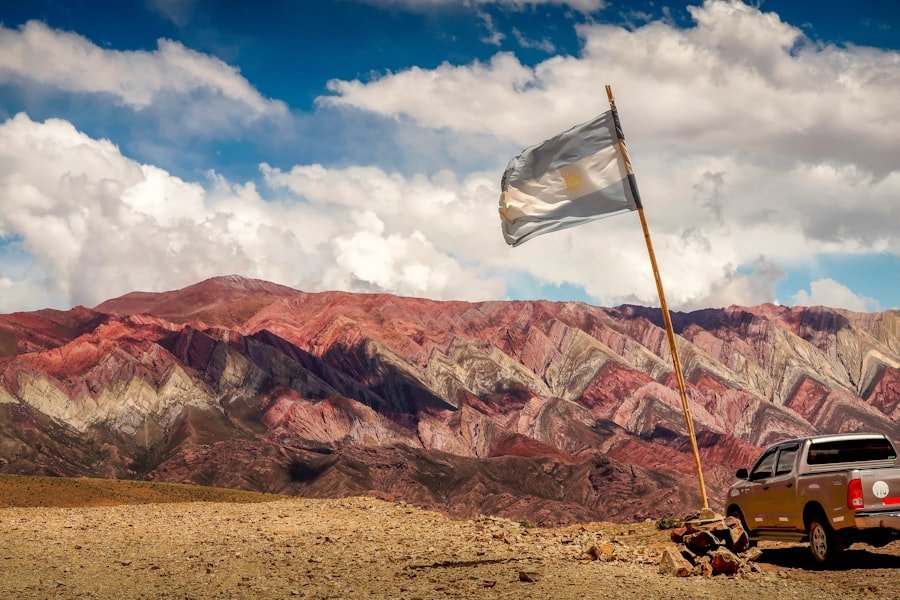
Argentina’s history is a tapestry woven from indigenous cultures, colonial influences, and revolutionary movements. Before European colonization, various indigenous groups inhabited the land, each with their own unique traditions and social structures. The arrival of Spanish conquistadors in the 16th century marked a significant turning point in Argentina’s history, leading to the establishment of settlements and the spread of Christianity.
The colonial period saw the fusion of Spanish and indigenous cultures, which laid the groundwork for Argentina’s diverse identity. The early 19th century was marked by a struggle for independence from Spanish rule. Figures such as José de San Martín emerged as key leaders in the fight for freedom, ultimately leading to Argentina’s declaration of independence in 1816.
The subsequent years were characterized by political turmoil and civil wars as various factions vied for power. The establishment of a federal government in the mid-19th century paved the way for modernization and economic growth, particularly through agriculture and cattle ranching. This rich historical backdrop has shaped Argentina into a nation with a complex identity that continues to evolve.
Delicious Argentine Cuisine
| Delicious Argentine Cuisine | Metrics |
|---|---|
| Empanadas | Popular savory pastries filled with meat, cheese, or vegetables |
| Asado | Traditional Argentine barbecue featuring various cuts of meat |
| Chimichurri | Flavorful sauce made with parsley, garlic, vinegar, and spices |
| Maté | Traditional South American caffeine-rich infused drink |
Argentine cuisine is a reflection of the country’s diverse cultural influences, with flavors and techniques borrowed from indigenous traditions as well as European culinary practices. At the heart of Argentine gastronomy lies the asado, a traditional barbecue that showcases the country’s exceptional beef. Renowned for its quality and flavor, Argentine beef is often grilled over an open flame and served with chimichurri sauce—a vibrant blend of parsley, garlic, vinegar, and oil that enhances the meat’s natural richness.
Asado gatherings are not just about food; they are social events that bring families and friends together to celebrate Argentine culture. In addition to beef, Argentine cuisine features a variety of regional dishes that highlight local ingredients. Empanadas, savory pastries filled with meat, cheese, or vegetables, are popular snacks enjoyed throughout the country.
In the northern regions, dishes like locro—a hearty stew made with corn, beans, and meat—reflect indigenous culinary traditions. Meanwhile, in Patagonia, fresh seafood such as king crab and salmon are celebrated for their quality. Desserts like dulce de leche—sweetened condensed milk—are ubiquitous in Argentine households and are often used to fill cakes or spread on toast.
Adventure and Outdoor Activities
For those seeking adventure, Argentina offers an abundance of outdoor activities that cater to thrill-seekers and nature lovers alike. The diverse landscapes provide opportunities for hiking, skiing, rock climbing, and water sports. In Patagonia, trekking enthusiasts can explore iconic routes such as the W Trek in Torres del Paine or the Laguna de los Tres trail in Los Glaciares National Park.
These trails offer breathtaking views of glaciers, mountains, and pristine lakes while allowing hikers to connect with nature in an unparalleled way. In addition to trekking, Argentina’s varied geography makes it an ideal destination for skiing during the winter months. The Andes mountains boast several ski resorts, including Cerro Catedral near San Carlos de Bariloche and La Hoya near Esquel.
These resorts offer slopes suitable for all skill levels, along with stunning views of snow-capped peaks. For water sports enthusiasts, Argentina’s lakes and rivers provide ample opportunities for kayaking, rafting, and fishing. The Rio Futaleufú is particularly famous among white-water rafting aficionados for its challenging rapids and stunning scenery.
Diverse Wildlife and Ecosystems

Argentina’s diverse ecosystems are home to an impressive array of wildlife that reflects the country’s varied climates and landscapes. From the arid plains of Patagonia to the lush rainforests of Misiones, each region supports unique species adapted to their environments. The Valdés Peninsula is a UNESCO World Heritage site known for its marine life; it serves as a breeding ground for southern right whales, sea lions, and elephant seals.
Visitors can take boat tours to observe these magnificent creatures up close during their migration seasons. In contrast to Patagonia’s coastal ecosystems, the Iguazú National Park in Misiones is famous for its stunning waterfalls and rich biodiversity. The park is home to numerous species of birds, including toucans and parrots, as well as mammals like jaguars and capybaras.
The subtropical rainforest environment provides a stark contrast to Patagonia’s rugged landscapes and showcases Argentina’s ecological diversity. Conservation efforts in these areas are crucial to preserving habitats and protecting endangered species from threats such as deforestation and climate change.
Wine Tasting in Mendoza
Mendoza is Argentina’s premier wine region, celebrated for producing some of the world’s finest Malbec wines. Nestled at the foothills of the Andes mountains, Mendoza’s vineyards benefit from a unique combination of altitude, climate, and soil conditions that create ideal growing conditions for grapes. Wine enthusiasts flock to this region to explore its picturesque vineyards and indulge in wine tastings at renowned wineries such as Catena Zapata and Bodega Norton.
Many wineries offer guided tours that provide insight into the winemaking process while allowing visitors to sample exquisite wines paired with local cuisine. The wine culture in Mendoza extends beyond tastings; it encompasses festivals and events that celebrate the region’s rich viticultural heritage. The annual Fiesta Nacional de la Vendimia (Grape Harvest Festival) attracts thousands of visitors each March to celebrate the grape harvest with parades, music, dance performances, and wine tastings.
This vibrant festival showcases not only Mendoza’s wines but also its cultural traditions and community spirit. As visitors sip on robust Malbecs while overlooking sprawling vineyards against a backdrop of majestic mountains, they experience firsthand why Mendoza is considered one of South America’s premier wine destinations.
Unique and Colorful Festivals
Argentina is home to a plethora of unique festivals that reflect its rich cultural heritage and regional diversity. One of the most famous celebrations is Carnaval, which takes place in various cities across the country but is particularly vibrant in Gualeguaychú. This festival features elaborate parades filled with colorful floats, samba dancers adorned in dazzling costumes, and live music that creates an electrifying atmosphere.
The festivities typically last several weeks leading up to Lent and attract thousands of visitors eager to experience this lively celebration. Another notable festival is Día de la Tradición (Day of Tradition), celebrated in November to honor Argentina’s gaucho culture—the skilled horsemen who played a significant role in shaping the country’s identity. Events include traditional music performances, folk dancing, rodeos showcasing gaucho skills, and exhibitions of traditional crafts.
This festival serves as a reminder of Argentina’s rural roots while celebrating its cultural heritage through music, dance, and gastronomy. Each festival offers a glimpse into Argentina’s vibrant culture while fostering community spirit among locals and visitors alike.
FAQs
What are the top attractions in Argentina?
Some of the top attractions in Argentina include the stunning landscapes of Patagonia, the vibrant city of Buenos Aires, the Iguazu Falls, the wine regions of Mendoza, and the stunning glaciers of Los Glaciares National Park.
What is the best time to visit Argentina?
The best time to visit Argentina is during the spring (September to November) and fall (March to May) when the weather is mild and the tourist crowds are smaller. However, the best time to visit specific regions may vary, so it’s important to research the specific areas you plan to visit.
What are the must-try foods in Argentina?
Some must-try foods in Argentina include asado (Argentinian barbecue), empanadas, dulce de leche, and mate (a traditional South American caffeine-rich infused drink).
Is Argentina a safe country to visit?
Argentina is generally a safe country to visit, but like any destination, it’s important to take normal safety precautions. Be aware of your surroundings, avoid displaying valuables, and be cautious in crowded tourist areas.
What are the outdoor activities available in Argentina?
Argentina offers a wide range of outdoor activities, including hiking in the Andes mountains, skiing in the Patagonian region, horseback riding in the Pampas, and wildlife watching in the national parks.
What is the currency used in Argentina?
The currency used in Argentina is the Argentine peso (ARS). It’s recommended to exchange currency at official exchange offices or banks to avoid scams.
Do I need a visa to visit Argentina?
Citizens of many countries, including the United States, Canada, and the European Union, do not need a visa to visit Argentina for tourism purposes for stays of up to 90 days. However, it’s important to check the specific visa requirements based on your nationality.
What are the transportation options in Argentina?
Argentina has a well-developed transportation system, including domestic flights, long-distance buses, and trains. In cities like Buenos Aires, there are also subway and bus systems for getting around.
What are the popular souvenirs to buy in Argentina?
Popular souvenirs to buy in Argentina include leather goods, such as shoes and bags, traditional mate gourds and bombillas, Argentine wine, and artisanal crafts from local markets.
What are the cultural highlights of Argentina?
Argentina has a rich cultural heritage, with highlights including tango music and dance, traditional gaucho culture in the Pampas region, and indigenous influences in the northern provinces. Visitors can experience these cultural highlights through performances, museums, and local festivals.