

Full coverage car insurance is a term that often confuses many drivers, as it does not refer to a specific type of policy but rather a combination of different types of coverage that provide extensive protection for vehicle owners. Typically, full coverage includes liability insurance, collision coverage, and comprehensive coverage. Liability insurance covers damages to other people and their property if you are at fault in an accident.
Collision coverage pays for damages to your own vehicle resulting from a collision, regardless of who is at fault. Comprehensive coverage protects against non-collision-related incidents, such as theft, vandalism, or natural disasters. The appeal of full coverage car insurance lies in its ability to offer a safety net for drivers.
In the event of an accident, having full coverage means that you are not only protected against the financial repercussions of damages to others but also shielded from significant out-of-pocket expenses related to your own vehicle. This type of insurance is particularly beneficial for new or high-value vehicles, where repair or replacement costs can be substantial. By opting for full coverage, drivers can enjoy peace of mind knowing that they are financially protected in a variety of scenarios.
What is liability car insurance?
Liability car insurance is a fundamental component of auto insurance that is legally required in most states. It serves to protect drivers from the financial burden of damages they may cause to others in an accident. Liability insurance is typically divided into two main categories: bodily injury liability and property damage liability.
Bodily injury liability covers medical expenses, lost wages, and other costs associated with injuries sustained by other parties in an accident for which you are at fault. Property damage liability, on the other hand, covers the costs of repairing or replacing another person’s property, such as their vehicle or a fence, that you may have damaged in an accident. The primary purpose of liability car insurance is to ensure that victims of accidents caused by the insured driver receive compensation for their losses.
This type of insurance does not cover the insured driver’s own injuries or damages to their vehicle; instead, it focuses solely on protecting third parties. Because of its essential role in safeguarding both drivers and the public, liability insurance is often mandated by law, with minimum coverage limits set by each state. However, many drivers choose to purchase higher limits to ensure adequate protection against potential lawsuits or significant financial losses.
The differences between full coverage and liability car insurance

The distinctions between full coverage and liability car insurance are significant and can greatly impact a driver’s financial security in the event of an accident. The most notable difference lies in the scope of protection each type offers. Full coverage encompasses a broader range of protections, including liability, collision, and comprehensive coverage.
This means that not only are you protected against damages you may cause to others, but you also have financial support for your own vehicle’s repairs or replacement in various situations. In contrast, liability car insurance is limited strictly to covering damages inflicted on others. If you are involved in an accident and your vehicle sustains damage, liability insurance will not provide any compensation for repairs or replacement costs.
This limitation can lead to significant out-of-pocket expenses for drivers who only carry liability coverage, especially if they are driving a newer or more expensive vehicle. Additionally, while liability insurance is often required by law, full coverage is optional and typically recommended for those who want comprehensive protection against a wide array of risks.
The cost differences between full coverage and liability car insurance
| Insurance Type | Average Cost | Coverage |
|---|---|---|
| Full Coverage | Higher | Comprehensive and collision coverage, plus liability |
| Liability | Lower | Only covers damage to other vehicles and property |
When it comes to cost, there is a notable disparity between full coverage and liability car insurance. Generally speaking, full coverage policies tend to be significantly more expensive than their liability counterparts. This price difference can be attributed to the increased level of protection provided by full coverage.
Since full coverage includes collision and comprehensive components, insurers assess higher premiums due to the greater risk they assume when offering such extensive protection. For example, a driver with a new vehicle valued at $30,000 may pay anywhere from $1,200 to $2,000 annually for full coverage insurance, depending on various factors such as location, driving history, and credit score. In contrast, the same driver might only pay between $500 and $800 per year for basic liability coverage.
This stark difference in premiums can influence a driver’s decision when selecting an insurance policy. While full coverage offers more extensive protection, it also requires a larger financial commitment upfront.
Deciding whether to opt for full coverage or liability car insurance depends on several factors unique to each driver’s situation. One critical consideration is the value of the vehicle being insured. For newer cars or those with high market values, full coverage is often recommended because the potential repair or replacement costs can be substantial.
In such cases, the peace of mind that comes with knowing you are protected against significant financial loss can outweigh the higher premium costs associated with full coverage. Conversely, if you own an older vehicle with a lower market value, liability insurance may be more appropriate. The cost of insuring an older car with full coverage may exceed its actual worth, making it financially imprudent to invest in comprehensive protection.
Additionally, drivers who have a solid financial cushion may feel comfortable taking on the risk associated with liability-only policies since they can afford to cover potential repair costs out-of-pocket if necessary.
Understanding the benefits of full coverage car insurance
Full coverage car insurance offers numerous benefits that can provide drivers with peace of mind and financial security. One of the most significant advantages is the comprehensive protection it affords against various risks. With collision and comprehensive components included in the policy, drivers are safeguarded against a wide range of incidents—from accidents caused by other drivers to damage from natural disasters like floods or hailstorms.
This level of protection can be particularly valuable in areas prone to severe weather or high traffic volumes. Another benefit of full coverage is that it often includes additional features such as rental car reimbursement and roadside assistance. These add-ons can enhance the overall value of the policy by providing support during unexpected situations that may arise after an accident or breakdown.
For instance, if your vehicle is damaged and requires repairs, rental car reimbursement ensures that you have access to transportation while your car is being fixed. This convenience can alleviate stress during an already challenging time.
Understanding the limitations of liability car insurance
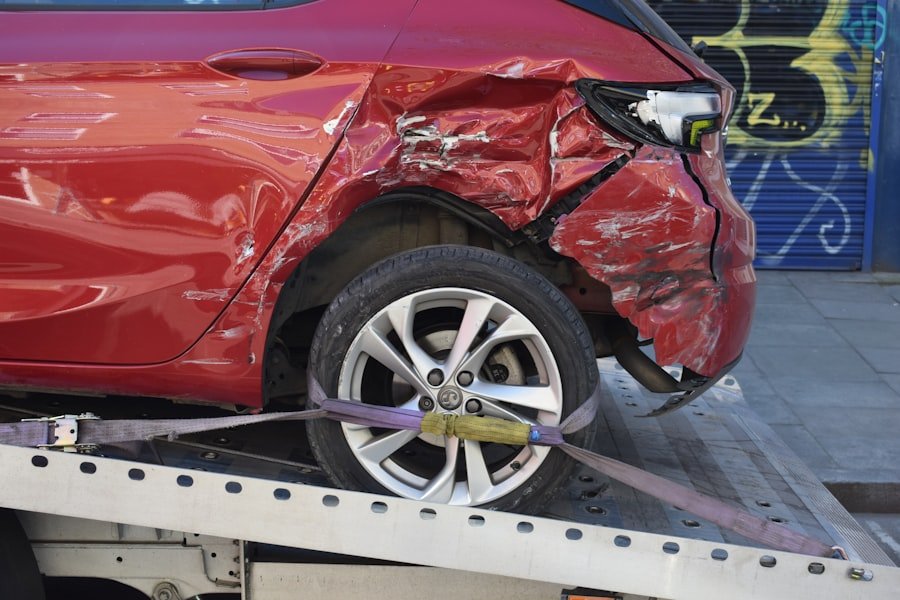
While liability car insurance serves as a crucial safety net for drivers, it does come with inherent limitations that can leave some individuals vulnerable in certain situations. The most significant limitation is that liability insurance does not cover any damages incurred by the insured driver’s own vehicle or injuries sustained by themselves or their passengers in an accident. This means that if you are involved in a collision where you are at fault, you will be responsible for covering your own repair costs and medical expenses out-of-pocket.
Additionally, liability policies typically have limits on how much they will pay out for bodily injury and property damage claims. If you cause an accident resulting in extensive injuries or significant property damage that exceeds your policy limits, you could be held personally liable for the remaining costs. This scenario could lead to financial hardship or even legal action against you if the injured parties seek compensation beyond what your insurance covers.
How to choose the right car insurance for your needs
Choosing the right car insurance requires careful consideration of various factors tailored to your individual circumstances. Start by assessing the value of your vehicle; if it’s new or has a high market value, full coverage may be more appropriate to protect your investment adequately. Conversely, if your vehicle is older and has depreciated significantly in value, liability insurance might suffice.
Next, consider your financial situation and risk tolerance. If you have sufficient savings to cover potential repair costs or medical expenses out-of-pocket, you might opt for liability-only coverage to save on premiums. However, if you prefer peace of mind and want comprehensive protection against unforeseen events, investing in full coverage could be worthwhile.
Additionally, evaluate your driving habits and environment. If you frequently drive in high-traffic areas or regions prone to severe weather conditions, full coverage may provide essential protection against potential accidents or damage from natural disasters. Finally, shop around and compare quotes from different insurers to find a policy that meets your needs while fitting within your budget.
By taking these steps into account, you can make an informed decision about which type of car insurance best suits your lifestyle and financial goals.
FAQs
What is full coverage car insurance?
Full coverage car insurance typically includes liability, collision, and comprehensive coverage. It provides protection for your vehicle in the event of an accident, theft, or damage from natural disasters.
What is liability car insurance?
Liability car insurance covers the cost of damages and injuries to the other party in an accident that you are found to be at fault for. It does not cover your own vehicle.
What does collision coverage include?
Collision coverage pays for the repairs or replacement of your vehicle if it is damaged in a collision with another vehicle or object, regardless of who is at fault.
What does comprehensive coverage include?
Comprehensive coverage protects your vehicle from non-collision related incidents such as theft, vandalism, natural disasters, and animal collisions.
Which type of insurance is required by law?
Liability car insurance is typically the minimum coverage required by law in most states. It is designed to cover the costs of damages and injuries to the other party in an accident that you are found to be at fault for.
Is full coverage car insurance more expensive than liability insurance?
Full coverage car insurance is generally more expensive than liability insurance due to the additional protection it provides for your own vehicle. However, the cost can vary depending on factors such as the value of your vehicle, your driving record, and the deductible you choose.