
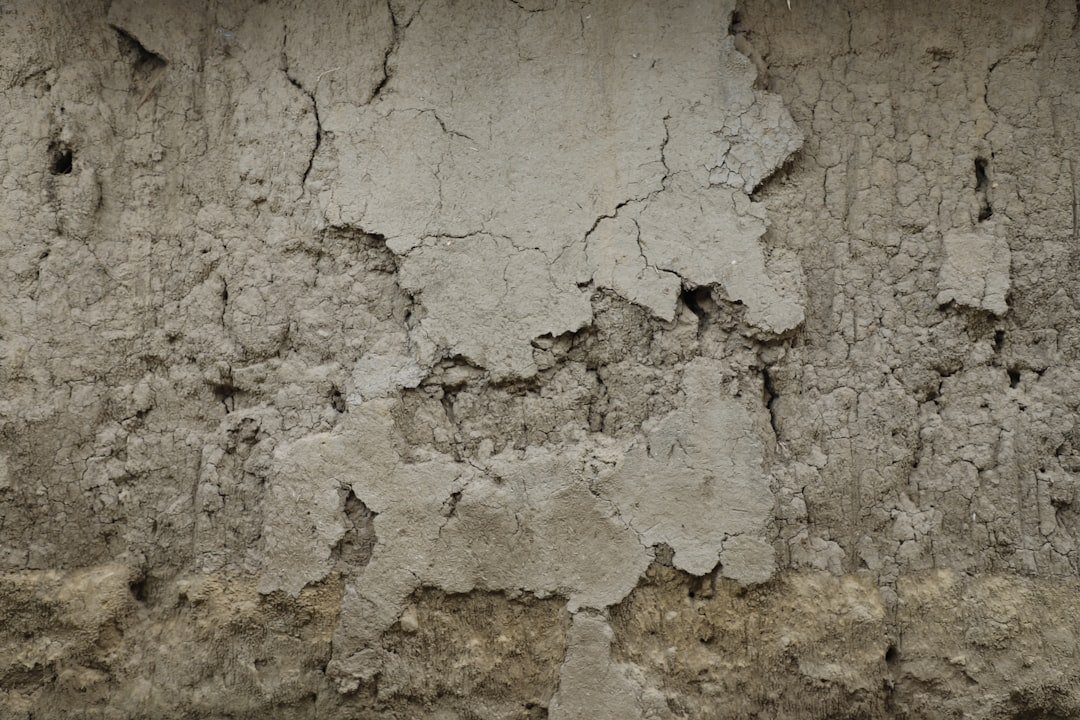
Foundation issues can manifest in various ways, often presenting themselves subtly at first before escalating into more significant problems. Homeowners should be vigilant for signs that indicate potential foundation distress. One of the most common indicators is the appearance of cracks in walls, particularly those that are wider than a quarter-inch.
These cracks can occur in both interior and exterior walls and may also appear around windows and doors. If doors and windows begin to stick or fail to open and close smoothly, it may suggest that the foundation is shifting, causing misalignment in the frames. Another telltale sign of foundation problems is uneven flooring.
Homeowners may notice that certain areas of their floors slope or sag, which can lead to an uncomfortable living environment and may even pose safety risks. Additionally, gaps between walls and ceilings or between the floor and baseboards can indicate that the foundation is settling unevenly. These signs, while they may seem minor at first, can escalate into more severe structural issues if not addressed promptly.
It is crucial for homeowners to remain observant and proactive in identifying these symptoms to mitigate further damage.
Common Causes of Foundation Problems
Understanding the common causes of foundation problems is essential for homeowners looking to protect their investment. One prevalent cause is soil movement, which can occur due to changes in moisture levels. Expansive clay soils, for instance, can swell when wet and shrink when dry, exerting pressure on the foundation and leading to cracks and shifts.
This phenomenon is particularly common in regions with fluctuating weather patterns, where heavy rains followed by dry spells can create significant stress on a home’s foundation. Another contributing factor is poor drainage around the property. When water accumulates near the foundation due to inadequate grading or blocked gutters, it can lead to hydrostatic pressure against the foundation walls.
This pressure can cause cracks to form and may even result in water intrusion into the basement or crawl space. Additionally, tree roots can pose a threat to foundations; as they grow, they can exert pressure on the foundation or absorb moisture from the surrounding soil, leading to further instability. Recognizing these causes allows homeowners to take preventive measures before issues arise.
The Importance of Timely Foundation Repair

Timely foundation repair is critical for maintaining the structural integrity of a home. Ignoring early signs of foundation distress can lead to more severe problems down the line, including extensive damage to walls, floors, and even plumbing systems. For instance, if cracks in the foundation are left unaddressed, they can widen over time, allowing water infiltration that may lead to mold growth or pest infestations.
The longer these issues persist, the more costly and complicated repairs become. Moreover, timely intervention can significantly enhance a home’s resale value. Prospective buyers are often wary of properties with known foundation issues, as they can indicate underlying problems that may require substantial investment to rectify.
By addressing foundation concerns promptly, homeowners not only protect their current living environment but also ensure that their property remains attractive to future buyers. This proactive approach can save homeowners from financial strain and emotional stress associated with extensive repairs.
The Cost of Foundation Repair
The cost of foundation repair can vary widely based on several factors, including the severity of the damage, the type of repair needed, and regional labor costs. On average, homeowners might expect to pay anywhere from $2,000 to $7,000 for standard repairs; however, more extensive issues could escalate costs significantly. For example, underpinning—a method used to stabilize a sinking foundation—can range from $1,000 to $3,000 per pier installed, depending on the complexity of the job and local market rates.
In addition to direct repair costs, homeowners should also consider potential ancillary expenses that may arise during the repair process. For instance, if water damage has occurred due to foundation issues, remediation costs for mold removal or water damage restoration may add thousands more to the overall expense. Furthermore, if landscaping or hardscaping needs to be altered to facilitate repairs, this can also contribute to the total cost.
Understanding these financial implications is crucial for homeowners as they navigate the complexities of foundation repair.
Factors Affecting the Cost of Foundation Repair
Several factors influence the overall cost of foundation repair beyond just the type of damage present. One significant factor is geographic location; areas with a high cost of living or limited access to skilled labor may see higher repair costs compared to regions with more competitive pricing. Additionally, local soil conditions play a critical role; homes built on expansive clay soils may require more extensive and costly repairs due to the nature of soil movement.
The type of foundation also impacts repair costs. For instance, slab foundations may require different techniques than pier-and-beam foundations, leading to variations in pricing based on the complexity of the repair methods employed. The extent of damage is another crucial consideration; minor cracks may only require simple sealing solutions, while major structural shifts could necessitate comprehensive underpinning or wall stabilization techniques.
Homeowners should obtain multiple quotes from reputable contractors to ensure they receive a fair assessment of their specific situation.
When Foundation Repair is Necessary
Determining when foundation repair is necessary involves careful observation and assessment of various signs and symptoms. Homeowners should act promptly if they notice significant cracks in walls or floors that continue to grow over time. Additionally, if doors and windows become increasingly difficult to operate or if there are noticeable shifts in the alignment of walls or ceilings, it is essential to consult a professional for an evaluation.
In some cases, homeowners may experience water intrusion in basements or crawl spaces during heavy rainfall or snowmelt periods. This situation often indicates that foundation repair is necessary to prevent further water damage and potential mold growth. It’s also advisable for homeowners to seek professional advice if they observe any signs of settlement or heaving in their property’s structure.
Engaging a qualified foundation specialist can provide clarity on whether repairs are warranted and what specific actions should be taken.
DIY vs Professional Foundation Repair
When faced with foundation issues, homeowners often grapple with the decision between attempting DIY repairs or hiring a professional contractor. While some minor issues—such as sealing small cracks—may be manageable for a handy homeowner, more significant problems typically require specialized knowledge and equipment that professionals possess. Attempting DIY repairs without proper expertise can lead to inadequate solutions that fail to address underlying issues effectively.
Professional contractors bring valuable experience and training to the table, allowing them to accurately diagnose problems and implement appropriate repair strategies. They also have access to advanced tools and technologies that can enhance repair effectiveness and efficiency. Furthermore, many reputable contractors offer warranties on their work, providing homeowners with peace of mind regarding the longevity of repairs.
Ultimately, while DIY solutions may seem cost-effective initially, investing in professional services often proves more beneficial in ensuring long-term stability and safety.
Preventing Future Foundation Issues
Preventing future foundation issues requires proactive measures that address environmental factors affecting a home’s stability. One effective strategy is ensuring proper drainage around the property; this includes maintaining gutters and downspouts that direct water away from the foundation and grading landscaping so that water flows away from the home rather than pooling near its base. Regularly inspecting these systems can help catch potential problems before they escalate.
Additionally, homeowners should monitor soil moisture levels around their property. In areas prone to drought or heavy rainfall, implementing irrigation systems or moisture barriers can help maintain consistent soil conditions that reduce stress on foundations. Planting trees at a safe distance from the home can also mitigate risks associated with root growth affecting foundational stability.
By taking these preventive steps and remaining vigilant about changes in their property’s condition, homeowners can significantly reduce the likelihood of future foundation issues arising.
FAQs
What are the common causes of foundation problems?
Common causes of foundation problems include soil movement, poor drainage, plumbing leaks, tree roots, and poor construction practices.
How do I know if my foundation needs repair?
Signs that your foundation may need repair include cracks in the walls or floors, uneven floors, sticking doors or windows, and gaps around windows or doors.
What are the costs associated with foundation repair?
The cost of foundation repair can vary depending on the extent of the damage and the method of repair. It can range from a few thousand dollars for minor repairs to tens of thousands of dollars for more extensive repairs.
When is it necessary to repair a foundation?
It is necessary to repair a foundation when there are signs of structural damage, such as cracks, uneven floors, or sticking doors and windows. Ignoring foundation problems can lead to further damage and decrease the value of your home.
Can I prevent foundation problems?
You can prevent foundation problems by maintaining proper drainage around your home, keeping trees and shrubs away from the foundation, and addressing plumbing leaks promptly. Regular inspections and maintenance can also help prevent foundation issues.